Key Takeaways: What to Know Before Hiring Door Repair Professionals
Finding a reliable door repair professional is not about picking the first name on a search results page. The decision involves understanding who does what, how different types of providers price their work, and whether a repair even makes financial sense.
Before you call anyone, understand this: the term “door repair professional” covers a wide spectrum. It includes independent technicians who fix hinges and locks, companies that specialize in sliding door track replacement, and even the custom fabricators who build the door in the first place. The right choice depends entirely on the scope of your problem and your long-term needs.
Here is what matters most. For a simple operational fix—a sagging hinge, a misaligned latch, a broken weatherstrip—a local repair technician is your best bet. For a door that is damaged beyond repair or for a new installation, you need a supplier: a showroom, dealer, wholesaler, or custom manufacturer. Knowing the difference between these entities will save you time, money, and a second service call.
Types of Door Service Providers Explained
The door industry is fragmented. Understanding the layers of the supply chain helps you know who to call for what job.
Repair Technicians and Installers
These are the tradespeople who come to your location. They handle the physical work: adjusting frames, replacing rollers on sliding doors, fixing broken hinges, and swapping out locksets. Their specialty is usually narrow—some focus exclusively on overhead garage doors, others on commercial aluminum storefronts, and others on residential wood doors. When you search for “door installer jobs near me” or “sliding doors installers near me,” you are looking at this category.
Door Showrooms
A showroom is a retail display space. They are designed to help you see and touch products before you buy. Showrooms typically carry a curated selection of doors from multiple manufacturers. They are excellent for residential projects where aesthetics matter, but their prices include the overhead of the physical space. You are paying for the experience and the ability to compare styles side-by-side.
Door Dealers
Dealers are authorized resellers for specific brands. They operate as a middleman between the factory and you. A dealer often provides a higher level of service than a big-box retailer because they know the specific product lines they sell. They can order custom sizes and specific hardware configurations. However, their pricing structure includes their margin on top of the manufacturer’s price.
Door Wholesalers and Suppliers
Wholesalers buy in bulk and sell to contractors, builders, and sometimes the public. If you see “door wholesale near me” or “doors supply near me,” you are looking at this category. Pricing is lower than retail, but you often need a trade account or a business license to access the best rates. They typically stock standard sizes and high-volume products rather than custom builds.
Custom Door Makers
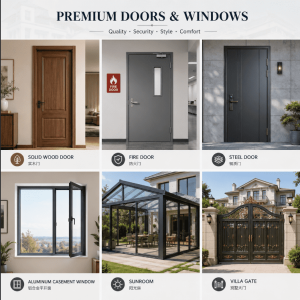
These are fabricators. They build doors to your exact specifications, whether that is a specific wood species, a unique iron security door design, or a thermally broken aluminum system window. Custom makers are the source for projects that require specific performance ratings (wind load, air tightness) or architectural integration. This category includes factories that produce doors for export and large-scale construction projects.
Door Repair vs. Replacement: How to Decide
This is the most critical financial decision you will make. The rule of thumb is simple: repair when the structure is sound, replace when the core is compromised.
Repair when the problem is mechanical. A door that sticks, squeaks, or fails to latch usually has a hardware or alignment issue. This is a fast, cheap fix. Replacing the entire door for a misaligned strike plate is a waste of money.
Replace when the material is failing. Rotting wood frames, rusted-out steel cores, or delaminated hollow-core doors are structural failures. Patching these is a temporary fix. The cost of repeated repairs will quickly exceed the price of a new door.
Consider the energy angle. If your door has significant air leaks that cannot be sealed with new weatherstripping, the door is costing you money every month in heating and cooling bills. In this case, replacement is an investment in efficiency, not just aesthetics.
Check the hardware standard. If your door is functional but the hardware is obsolete or difficult to source, replacement of the door might be premature. Often, you can replace the hinges, lockset, or rollers with modern equivalents without touching the door slab.
Comparison Table: Door Repair Professionals vs. Showrooms vs. Dealers vs. Wholesalers vs. Custom Makers
| Provider Type | Best For | Pricing Model | Lead Time | Customization | Typical Client |
|---|---|---|---|---|---|
| Repair Technician | Fixing operational issues, hardware replacement, on-site service | Hourly or flat service fee | Immediate to 1 week | None—works with existing door | Homeowner, facility manager |
| Showroom | Visual comparison, residential aesthetics, standard sizes | Retail price (highest) | 1-4 weeks for stock items | Limited to manufacturer options | Homeowner, interior designer |
| Dealer | Brand-specific products, guided selection, warranty support | Retail price with brand markup | 2-6 weeks | Moderate—size and hardware choices | Homeowner, contractor |
| Wholesaler | Bulk orders, standard sizes, contractor supply | Lowest price per unit | 1-2 weeks for stock | Very limited—volume standard items | Contractor, builder, property manager |
| Custom Maker / Factory | Specific dimensions, performance ratings, unique materials | Custom quote based on spec | 4-12 weeks for fabrication | Full—size, material, glass, hardware | Architect, developer, discerning homeowner |
How to Choose the Right Door Professional for Your Project
The vetting process is not complicated, but it requires discipline. Do not skip the verification steps.
Verify licensing and insurance. This is non-negotiable. A repair professional should carry liability insurance to cover damage to your property. If they have employees, they need workers’ compensation. Ask for proof of insurance certificates and verify the policy is current. For commercial projects, check that the contractor is licensed to work in your jurisdiction and can pull the necessary permits.
Ask for references and check recent reviews. Look for reviews that mention the specific type of work you need. A company that does excellent residential door replacement might have no experience with commercial fire-rated doors. Ask the provider for references from projects similar to yours in scale and scope.
Get multiple quotes for repairs. For any job over a few hundred dollars, get at least three quotes. Do not automatically take the lowest price. Compare the scope of work—one professional might quote a simple hinge adjustment while another correctly identifies a warped frame that needs shimming. The latter is more expensive but more accurate.
Check specialization. If you have a sliding patio door that is off its track, call a company that specifically lists “sliding door company near me” or “sliding doors installers near me” in their services. A general handyman might fix it temporarily, but a specialist will adjust the rollers and track alignment correctly to prevent recurrence.
Confirm warranty and follow-up policy. Ask what happens if the repair fails in 30 days. A reputable professional will stand behind their work with a written warranty on labor. For new doors, ask about the manufacturer’s warranty and who handles the claim process—the dealer, the installer, or the factory.
Cost Considerations for Door Repair and Replacement
Pricing varies significantly by region, door type, and urgency. There is no single national number, but you can estimate based on the scope.
Labor rates for door repair professionals typically range from a minimum service call fee to an hourly rate, with the total depending on the complexity of the job. Simple tasks like adjusting a latch or replacing a hinge can be done in under an hour. Track replacement on a sliding door takes longer and costs more.
Parts pricing is where the markups happen. If you buy hinges, rollers, or locksets yourself and have the professional install them, you will save money on the part but might void the warranty on the part. If the professional supplies the parts, expect a markup of 30-50% over retail. That markup covers their sourcing time and the warranty on the installation.
Replacement costs are driven by the door unit itself. A basic hollow-core interior door is inexpensive. A custom solid wood door or a thermally broken aluminum system door is a significant investment. The quote for replacement should include the door unit, frame, hardware, installation labor, and disposal of the old door.
Emergency calls cost a premium. If you need a repair outside of normal business hours, expect a higher service fee. To avoid emergency charges, address sticking doors and failing hardware early before they become a security issue.
Additional Considerations: Sliding Doors, Iron Doors, Custom Doors, and More
Different door types present different challenges and require different sourcing strategies.
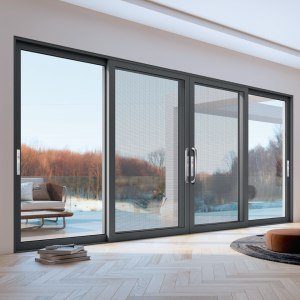
Sliding doors are the most common repair call. The rollers and tracks wear out. When searching for a “sliding door company near me,” look for one that stocks common roller sizes or can order them quickly. A full track replacement is a bigger job that requires precise leveling. If the glass is broken, you need a specialist who handles insulated glass units, not just a general door repair person.
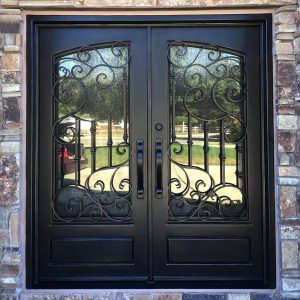
Iron security doors are heavy and require structural mounting. Repairs are rare but complex, usually involving welding or hinge realignment. For “iron doors for sale near me” or “iron security doors near me,” you are looking at custom fabrication. These are not stocked items. The lead time is long, and the installation requires a team that can handle the weight safely.
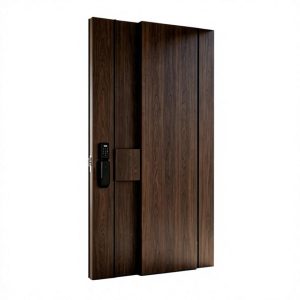
Custom built doors are a different procurement path entirely. If you need a specific size that is not standard, or a material that provides specific thermal or security performance, you are looking for “custom door makers near me” or a factory-direct supplier. This is where you get into the specifics of profile structures, glass specifications, and hardware grades. For commercial projects, the ability to adjust the profile to meet local building codes is critical.
Commercial and multi-unit projects should consider wholesale or factory-direct sourcing. If you are a contractor managing a multi-family build or a facility manager replacing doors across a property, the “door wholesale near me” route is the only cost-effective option. The trade-off is less hand-holding and a requirement that you know exactly what you need.
Frequently Asked Questions About Door Repair and Buying
When should I repair vs. replace a door?
Repair if the structural material (wood, steel, fiberglass) is intact and the issue is mechanical—hinges, locks, rollers, or weatherstripping. Replace if the door core is rotting, rusting, or delaminated, or if the air leakage is severe enough that energy costs exceed the replacement cost.
How much does door repair typically cost?
It depends on the job and your region. A simple hinge or latch adjustment is a minimal service fee. A sliding door roller replacement is a mid-range job. A full frame repair or track replacement is higher. Always get multiple quotes, and be wary of quotes that are significantly lower than the others—they often miss scope.
What should I look for when hiring door repair professionals?
Verify current licensing and liability insurance. Ask for references from similar projects. Confirm they specialize in your door type (sliding, iron, commercial). Get a written scope of work and a warranty on labor.
How do I find reliable sliding door installers near me?
Search for specialists, not general handymen. Ask about their experience with your specific brand of sliding door (if known). Inquire about their process for leveling the track, as this is the most common cause of premature roller failure.
What are the benefits of buying doors wholesale or from a factory direct supplier?
The primary benefit is cost—you eliminate the middleman markup of the showroom and dealer. The secondary benefit is customization. A factory direct supplier can adjust profiles, glass, and hardware to meet project specifications and local building codes. The trade-off is longer lead times and the need for precise specification on your end.
What is the difference between a door showroom, dealer, wholesaler, and custom door maker?
A showroom displays products for selection at retail prices. A dealer is a brand-authorized reseller. A wholesaler sells volume at low prices, usually to trade professionals. A custom maker fabricates doors to your exact specification, offering the most flexibility but the longest lead time.
Final Thoughts: Making Your Decision
Here is how the industry works: the supply chain is layered, and you should pick the layer that matches your project’s complexity.
If you have a broken door right now, call a repair professional. Vet them, get a quote, and fix the problem.
If you are planning a renovation and want to see options, visit a showroom. Take notes on what you like, then check if a dealer can quote the same product at a better price.
If you are a contractor or managing a large property, skip the retail layer. Go to a wholesaler or a factory-direct manufacturer. This is where the pricing structure changes fundamentally.
As a manufacturer, our approach fits the last category. Jusen Door and Windows operates as a factory-direct supplier. We do not run a showroom or a retail dealership. Instead, we focus on serving buyers who know what they need and want to avoid the middleman markup. Our value proposition is straightforward: we offer full customization on size, color, glass, and hardware, and we adjust our profile structures and fittings to match the building codes of your target market.
For buyers comparing options, this matters in two ways. First, you get direct pricing without the dealer or showroom margin. Second, you work with the people who actually build the product, which simplifies communication on technical specifications. Our pre-shipment inspections include air-tightness, water-tightness, and wind resistance tests, so you are not relying on a third party to verify quality on your behalf.
Choose a showroom if you are a homeowner who needs to see the door in person before committing. Choose a dealer if you want brand-specific warranty support. Choose a wholesaler for standard sizes in bulk. And choose a factory-direct partner like us when you need custom performance, competitive pricing, and a partner who can handle the logistics of international shipping, including FCL and LCL options.
For your next project, define the problem first. If it is a broken hinge, call a technician. If it is a new build or a full replacement, start comparing suppliers—and include factory-direct in that comparison.
Or contact our team to discuss your specifications and building code requirements.