What Is a Full Lite Exterior Door?
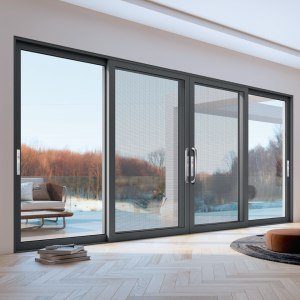
A full lite exterior door is an entry or patio door where the glass panel covers most or virtually all of the door surface. Unlike half lite doors (glass on the upper portion only) or multi-lite doors (glass divided into smaller panes), a full lite door maximizes natural light transmission and provides an unobstructed view to the outside.
The defining characteristic is the ratio of glass to solid material. A true full lite door typically has glass covering 70–90% of the total door area. The remaining frame material—often a perimeter stile and rail construction—holds the glass in place and provides structural rigidity.
For B2B buyers—contractors, architects, developers, and procurement specialists—full lite doors serve specific project requirements: bright entryways, visual connection between indoor and outdoor spaces, and modern architectural aesthetics. The trade-off is straightforward: more glass means more light but also more surface area that can transfer heat or cold and more exposed glazing that requires appropriate safety glass.
Full Lite vs. Half Lite vs. Multi-Lite: Which Is Right?
The lite configuration determines how a door performs across four dimensions: light transmission, privacy, energy efficiency, and architectural style. Here is how the common configurations compare.
Full Lite Doors
Glass covers most of the door surface. Best suited for front entries facing a porch or courtyard, patio doors, and commercial storefronts. They offer maximum daylight and unobstructed views. The main drawbacks are reduced privacy and larger glass area that must meet local energy codes.
Half Lite Doors
Glass occupies the upper half (or occasionally upper third) of the door, with a solid lower panel. This configuration balances natural light with privacy and durability. The solid lower section resists impacts from furniture, pets, and daily foot traffic. Half lite doors are a common choice for side entries, garage-to-house doors, and front doors where privacy matters.
Multi-Lite Doors (4-Lite, 6-Lite, 9-Lite, 15-Lite)
Multi-lite doors divide the glass area into multiple smaller panes using grilles or muntins. Common configurations include:
- 4-lite doors: Two rows of two lites, often with a solid bottom panel. A popular choice for craftsman and traditional home styles.
- 6-lite doors: Two rows of three lites. Frequently used in colonial and farmhouse architecture.
- 9-lite doors: Three rows of three lites, typically covering the full door surface. Common in Prairie School and Frank Lloyd Wright-inspired designs.
- 15-lite doors: Five rows of three lites, covering the full door height. This configuration reads as a full lite door from a distance but adds visual rhythm and a more traditional character.
Multi-lite doors offer a middle ground: more visual interest than a single full lite panel, better structural stiffness (the muntins reinforce the door), and the option to combine clear glass in upper lites with frosted or opaque glass in lower lites for privacy.
Decision Criteria
Choose a full lite door when the priority is daylight and view. Choose a half lite door when you need privacy or impact resistance at the lower portion. Choose a multi-lite door when architectural style matters more than unobstructed visibility.
Fiberglass vs. Wood vs. Steel: Material Comparison
The lite configuration is only half the decision. The door material determines durability, maintenance, insulation performance, and cost. For full lite doors specifically, the material choice also affects how the glass is seated and sealed.
Fiberglass
Fiberglass full lite exterior doors are the most common choice for modern residential and light commercial projects. The material offers several advantages that matter for full lite configurations:
- Dimensional stability: Fiberglass does not expand and contract with humidity like wood, which means the glass seal remains intact over time. This is critical for full lite doors, where a compromised seal leads to condensation and heat loss.
- Paintability: Fiberglass accepts paint well and holds it longer than steel. You can achieve a wood-like grain texture or a smooth modern finish.
- Impact resistance: Quality fiberglass doors resist dents and warping better than steel in many cases. A 4 lite fiberglass exterior door or a 6 lite fiberglass exterior door maintains its shape under temperature swings.
- Insulation: Fiberglass door slabs typically have a polyurethane foam core, providing an R-value in the range of R-5 to R-7, depending on the manufacturer and glass specification.
The main drawback of fiberglass is cost—it is more expensive than steel and comparable to mid-range wood doors. However, the reduced maintenance over a 20–30 year lifespan often offsets the initial premium.
Wood
Solid wood doors (or wood with a composite core) offer the most traditional aesthetic. The material is highly customizable—carved panels, custom dimensions, and a wide range of stains. For full lite configurations, wood frames can be milled to accept thicker glass units.
The trade-offs are significant for exterior applications:
- Maintenance: Wood requires periodic refinishing (staining, sealing, or painting) every 2–4 years, depending on climate and sun exposure.
- Dimensional movement: Wood expands and contracts with humidity changes. This movement can stress glass seals and cause the door to stick or bind in the frame.
- Cost: Quality wood doors are the most expensive option, especially in hardwoods like mahogany or oak.
Wood full lite doors are appropriate for high-end residential projects where the owner accepts the maintenance commitment. For commercial or multi-family projects, the lifecycle cost is usually prohibitive.
Steel
Steel doors are the budget-friendly option. A steel full lite door is typically constructed with a steel skin over a foam core, with a factory-applied primer or paint finish.
Key considerations:
- Dent resistance: Steel dents and dings easily. A full lite door has less steel surface area than a solid door, which reduces the dent risk, but the remaining frame is still vulnerable.
- Thermal performance: Steel conducts heat and cold. Without a proper thermal break, a steel door can develop condensation on the interior surface in cold climates. The foam core helps, but the steel skin still transfers temperature.
- Finish durability: Factory finishes on steel doors can chip, peel, or rust over time, especially near the bottom edge and around the glass frame.
Steel full lite doors are a reasonable choice for interior-to-garage connections, utility rooms, or budget-constrained projects where the door will not see heavy abuse.
Standard Sizes and Custom Options
The most common exterior door size in North American construction is 36×80 (36 inches wide by 80 inches tall). This is the standard for both full lite and half lite configurations. A full lite exterior door 36×80 with clear glass is a common stock item at building material suppliers.
Other standard sizes include:
- 30×80: Narrower, often used for side entries or utility rooms.
- 32×80: A common replacement size in older homes.
- 34×80: Less common but available from major manufacturers.
- 36×84: Taller door for homes with higher ceilings or to accommodate a larger transom.
- 42×84, 48×96, and larger: Double doors or custom sizes for commercial and luxury residential projects.
For a 36×80 full lite door, the actual glass size varies by manufacturer. A typical full lite slab has a glass opening of roughly 30×66, leaving a 3-inch perimeter frame on the sides and top and a 5–6 inch bottom rail. This bottom rail is important—it provides structural rigidity and a mounting surface for hinges and locks.
Custom Sizing Considerations
When specifying custom sizes, consider the following:
- Rough opening: The door frame must match the rough opening dimensions. Standard rough openings are typically 2 inches larger than the door size (e.g., a 36×80 door fits a 38×82 rough opening).
- Glass limitations: Very large glass panels increase weight and require thicker glass or tempered glass for safety. A full lite door wider than 40 inches may need a center mullion or reinforced frame.
- Building codes: Egress requirements, wind load ratings (especially in hurricane zones), and energy codes all affect allowable glass size. A 15 lite exterior door 36×80 may have different code compliance than a full lite door of the same size.
For projects with non-standard openings, custom manufacturing is the norm. A manufacturer with adjustable profile structures can adapt the door frame to match local building codes and site conditions.
Glass Options and Energy Efficiency
The glass specification is arguably the most important decision for a full lite exterior door. The glass determines energy performance, safety, privacy, and security.
Glass Types
- Tempered glass: Heat-treated to be 4–5 times stronger than annealed glass. When it breaks, it shatters into small, rounded pieces rather than sharp shards. Most building codes require tempered glass in doors, sidelites, and any glazing within 24 inches of a door or within 18 inches of the floor.
- Laminated glass: Two or more glass layers bonded with an interlayer (usually PVB or EVA). When broken, the glass stays in place, held by the interlayer. Laminated glass provides better security (harder to break through) and better sound insulation. It is the standard choice for hurricane-rated doors and high-security applications.
- Low-E (low-emissivity) glass: A microscopic metallic coating that reflects heat back toward its source. In winter, Low-E glass keeps interior heat inside; in summer, it blocks solar heat gain. Low-E coatings are standard on virtually all energy-efficient doors manufactured today.
- Argon-filled insulated glass: Double or triple glazing with argon gas between the panes. Argon is denser than air and reduces heat transfer. Typical insulated glass units (IGUs) have a U-factor between 0.25 and 0.35, depending on the coating and gas fill.
Energy Performance Ratings
For full lite doors, energy performance is measured by two key metrics:
- U-factor: The rate of heat transfer through the door. Lower is better. ENERGY STAR requirements vary by climate zone. For example, the Northern climate zone requires a U-factor of 0.22 or lower for doors with over 50% glass.
- SHGC (Solar Heat Gain Coefficient): The fraction of solar radiation that passes through the glass. Lower SHGC means less solar heat gain, which is desirable in hot climates but may be undesirable in cold climates where passive solar heating is beneficial.
A full lite door with double-glazed Low-E argon-filled glass will typically achieve a U-factor around 0.28–0.32. A solid door with no glass can achieve 0.15–0.20, but the difference in natural light is substantial. Buyers must weigh the energy trade-off against the daylight benefit.
Privacy Glass Options
For full lite doors where privacy is a concern, several glass treatments are available:
- Frosted or etched glass: Sandblasted or acid-etched to create an opaque surface. Provides privacy while still transmitting light.
- Obscure glass: Textured patterns (rain, reed, hammered) that distort the view while letting light through.
- Decorative glass: Stained, beveled, or art glass panels. These are typically custom-ordered and add significant cost.
Comparison Table: Lite Configurations and Materials
| Configuration | Light Transmission | Privacy | Energy Efficiency | Typical Use | Relative Cost |
|---|---|---|---|---|---|
| Full lite (single panel) | Maximum | Low | Depends on glass spec | Front entries, patios, commercial | Medium to High |
| Half lite | Moderate | Medium | Better than full lite (less glass) | Side entries, utility rooms | Medium |
| 4-lite | Moderate | Medium | Better than full lite (muntins add structure) | Craftsman, traditional homes | Medium |
| 6-lite | Moderate to High | Medium | Similar to 4-lite | Colonial, farmhouse | Medium |
| 9-lite | High | Low to Medium | Similar to full lite (glass covers most of surface) | Prairie, modern | Medium to High |
| 15-lite | High | Low to Medium | Similar to full lite | Traditional, full-height applications | High |
| Material | Durability | Maintenance | Insulation (Slab Only) | Cost Range | Best For |
| Fiberglass | High | Low | R-5 to R-7 | Medium to High | Most residential and light commercial projects |
| Wood | Medium (depends on species and finish) | High | R-3 to R-5 | High | High-end residential, historic renovations |
| Steel | Medium (dents easily) | Low to Medium | R-3 to R-5 | Low to Medium | Budget projects, interior-to-garage connections |
Buying Guide: Key Factors to Consider
1. Climate and Energy Codes
Check your local energy code requirements before specifying a full lite door. ENERGY STAR certification is a useful baseline. In cold climates, prioritize low U-factor (0.25 or below). In hot climates, prioritize low SHGC (0.25 or below) to reduce cooling loads. Some jurisdictions have specific requirements for door glazing percentages—verify compliance early in the design process.
2. Safety and Building Codes
Glass in doors must meet local safety glazing requirements. Tempered glass is the minimum standard for most jurisdictions. Laminated glass is required in hurricane-prone areas (e.g., Miami-Dade County, Florida) and provides better security elsewhere. Confirm the door assembly carries the appropriate certification (e.g., AAMA/WDMA/CSA certification) for your project location.
3. Security Considerations
Full lite doors present a security trade-off—the glass is a potential entry point. Mitigations include:
- Laminated glass: Much harder to break than tempered glass.
- Security film: Applied to the interior surface, holds glass together when shattered.
- Multi-point locking systems: Lock the door at multiple points along the frame, making it harder to force open.
- Reinforced frames: Aluminum or steel-reinforced stiles prevent frame spreading.
For commercial applications or ground-floor residential entries, specify laminated glass and a multi-point lock. The incremental cost is modest compared to the security benefit.
4. Installation and Maintenance
A full lite door is only as good as its installation. Common pitfalls include:
- Improper flashing: The door frame must be flashed correctly to prevent water intrusion. This is especially critical for full lite doors, where the large glass area creates more opportunities for condensation and water penetration.
- Inadequate shimming: The door must be plumb, square, and level. A racked frame will cause the glass to bind or the door to stick.
- Sealant failure: The seal between the glass and the frame must be maintained. Check for gaps or deterioration annually and re-seal as needed.
Maintenance requirements vary by material. Fiberglass doors need occasional cleaning and repainting every 10–15 years. Wood doors need refinishing every 2–4 years. Steel doors need touch-up painting when the finish is scratched to prevent rust.
5. Cost Factors
Full lite door costs vary widely based on material, glass specification, size, and hardware. As a general framework:
- Steel full lite door: Most economical option. Suitable for budget projects.
- Fiberglass full lite door: Mid-range cost. The most common choice for quality residential projects.
- Wood full lite door: Highest cost, especially with custom dimensions or decorative glass.
Glass options add cost incrementally: double glazing costs more than single, Low-E and argon fill add a further premium, and laminated glass for security adds more still. Custom sizes also increase cost compared to standard 36×80 units.
6. Warranty and Manufacturer Support
A full lite exterior door is a long-term investment. Review the manufacturer’s warranty for the door slab, glass unit, and finish. A typical warranty covers the slab for 10–25 years (depending on material), the glass unit for 5–15 years (against seal failure), and the finish for 5–10 years. Ensure the manufacturer provides clear documentation and responsive support.
Frequently Asked Questions
Are full lite doors energy efficient?
Yes, when specified correctly. A full lite door with double-glazed Low-E argon-filled glass achieves a U-factor comparable to a standard insulated door—typically 0.28–0.32. The key is to select the right glass package for your climate. In very cold or very hot climates, the glass specification matters more than the door material.
How much does a full lite exterior door cost?
The cost depends on material, size, glass, and hardware. Steel full lite doors are the most budget-friendly. Fiberglass full lite doors sit in the mid-range and offer the best balance of durability and energy performance. Wood full lite doors are the premium option. Custom sizes, decorative glass, and multi-point locking hardware increase the price. For accurate pricing, request quotes from manufacturers with your specific project requirements.
What is the difference between a full lite and a half lite door?
A full lite door has glass covering most of the door surface, maximizing light and visibility. A half lite door has glass on the upper portion and a solid lower panel, providing more privacy and impact resistance. Choose full lite for daylight and views; choose half lite for privacy and durability at the lower portion.
What sizes are available for full lite doors?
The standard size is 36×80 inches. Other common sizes include 30×80, 32×80, and 34×80. Taller options (36×84) and wider double-door configurations are available. Custom sizes can be manufactured to match specific rough openings, though this increases cost and lead time.
What glass options are available for full lite doors?
Options include clear, frosted, etched, obscure, and decorative glass. For energy efficiency, specify double glazing with Low-E coating and argon fill. For safety and security, specify tempered or laminated glass. The right choice depends on your privacy needs, climate, and local building codes.
How do I choose between full lite, half lite, and multi-lite?
Consider three factors: daylight, privacy, and architectural style. Full lite maximizes daylight and views. Half lite balances light with privacy. Multi-lite doors (4, 6, 9, or 15 lite) add visual character and structural reinforcement. Match the configuration to the door’s location and the building’s design language.
Are full lite doors secure?
Full lite doors can be secure with the right specifications. Laminated glass resists forced entry, multi-point locking systems reinforce the frame, and security film adds an extra layer of protection. For ground-floor entries, these features are strongly recommended.
What is a 15 lite exterior door?
A 15 lite door has 15 individual glass panes arranged in five rows of three, covering the full door height. It offers the light transmission of a full lite door with a more traditional, divided-light aesthetic. The muntins also add structural stiffness to the door.
How a Manufacturer Meets These Standards
As a manufacturer of exterior doors and windows, our approach to full lite doors focuses on the specifications that matter most to buyers: glass performance, frame stability, and code compliance.
We produce fiberglass, aluminum, and wood doors with full lite configurations, along with half lite and multi-lite options. Our factory-direct model means you are working with the manufacturer, not a distributor, which simplifies custom sizing and specification changes. We handle OEM and ODM projects, including private label manufacturing for distributors and construction project bulk supply.
For full lite doors specifically, our quality control process includes air-tightness, water-tightness, and wind resistance testing before shipment. These tests verify that the glass seals and frame joints will perform in real-world conditions—the most common failure point for full lite doors. Our profile structures and fittings can be adjusted to match local building codes in your target market, which is essential for projects with specific energy or wind-load requirements.
We provide full export documentation, including packing lists, proforma invoices, and customs paperwork. Shipment options include both FCL and LCL, with direct delivery from our factory in China.
If you are specifying full lite exterior doors for a project and need competitive pricing with full customization, contact our team to discuss your requirements.