What Is a Full Lite Door?
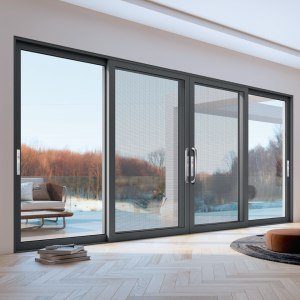
A full lite door is a door where glass occupies most or all of the surface area, leaving only the frame, stiles, and rails visible. The term “lite” refers to the glass panel itself — so a full lite door is simply one large pane of glass (or multiple panes separated by narrow mullions) that fills the door slab.
The primary purpose is straightforward: maximize natural light transmission and provide visibility through the doorway. Full lite doors are common in commercial storefronts, office interiors, patios, and residential entryways where daylight and sightlines matter more than privacy.
The key takeaway for buyers: a full lite door is not a single product but a category defined by glass-to-solid ratio. The actual performance, cost, and suitability depend entirely on the frame material, glass specification, and whether the unit is rated for interior or exterior use. Understanding these variables is what separates a successful purchase from a costly mistake.
Full Lite Door Types: From Single Lite to 2 Panel 6 Lite
Full lite doors come in several configurations. The number of “lites” refers to how many individual glass panels are present, not the total glass area.
Single full lite door. One uninterrupted glass pane fills the entire door. This is the most common configuration for commercial entrances, patio doors, and modern residential interiors. It offers maximum light and unobstructed views. The single large pane also means fewer frames to clean and maintain.
Multi-lite configurations. These divide the glass area into multiple panels using vertical or horizontal mullions. Common patterns include:
- 2 panel 6 lite door: A door split into two horizontal sections (top and bottom), with the glass divided into six individual lites — typically three across in each section. This style is frequently used in traditional or craftsman architecture where a full sheet of glass feels too modern or exposed.
- 9 lite and 15 lite doors: Similar multi-pane patterns with more divisions, often used in period-style homes or commercial buildings with heritage design requirements.
- Full lite with internal grids: The glass is one continuous pane, but decorative grilles are applied or inserted between the glass layers to simulate divided lites. This gives the traditional look without sacrificing the thermal performance of a single sealed unit.
The trade-off between single and multi-lite is straightforward. Single lite doors offer better energy efficiency (fewer frame interruptions mean less thermal bridging) and unobstructed views. Multi-lite doors provide visual interest, better privacy at lower heights, and a more traditional aesthetic. For a 2 panel 6 lite door, the upper lites typically bring in light while the lower section can use obscured glass for privacy.
Interior vs. Exterior Full Lite Doors: What’s the Difference?
This distinction matters more than any other specification decision. An interior full lite door and an exterior full lite door are engineered to different standards.
Interior full lite doors — used for offices, conference rooms, and interior partitions — primarily need to manage sound transmission, privacy, and light control. The glass is typically 4–6 mm annealed or tempered, and the frame does not need weather protection. Hardware requirements are minimal. Cost is accordingly lower.
Exterior full lite doors face a completely different set of demands. They must resist wind loads, prevent air and water infiltration, manage thermal transfer, and meet safety glazing requirements. An exterior full lite door requires:
- Tempered or laminated glass. Building codes in most jurisdictions require safety glazing in doors and adjacent sidelites. Tempered glass breaks into small granular pieces rather than sharp shards; laminated glass holds together when broken.
- Insulated glass units (IGUs). Double or triple glazing with argon fill between panes significantly reduces heat loss.
- Low-E coatings. A microscopically thin metallic oxide layer reflects infrared radiation while transmitting visible light. This cuts heat gain in warm climates and heat loss in cold climates.
- Proper weatherstripping and threshold seals. Air infiltration around the door perimeter undermines even the best glass specification.
- A thermal break in aluminum frames. Without a thermal break, aluminum conducts heat rapidly, creating condensation and energy loss in cold weather.
Yes, a full lite door can absolutely be used as an exterior door — but the glass and frame specifications must be selected for exterior performance. A door built to interior standards will fail quickly when exposed to weather.
Frame Materials Compared: Which One Fits Your Project?
The frame material determines the door’s structural performance, durability, maintenance requirements, and aesthetic character. Four materials dominate the market.
Aluminum full lite doors. Extruded aluminum frames offer the highest strength-to-weight ratio of any common door material. This allows for slimmer profiles and larger glass panels — a key advantage for full lite designs where the frame is meant to recede visually. For exterior applications, thermal-break aluminum (where the frame is split internally by a polyamide strip) is essential. Anodized or powder-coated finishes provide excellent corrosion resistance. Aluminum is the default choice for commercial projects and modern residential architecture.
Wood full lite doors. Solid wood frames deliver the most traditional aesthetic and the best natural insulation of any material. Wood does not conduct heat the way metal does. However, wood requires ongoing maintenance — periodic refinishing to prevent moisture damage, rot, and warping. For exterior use, wood doors need proper overhangs or protection from direct rain exposure. Interior wood full lite doors are common in offices and higher-end residential settings where the warm appearance matters more than minimal maintenance.
Steel full lite doors. Galvanized steel frames offer superior security and impact resistance. Steel doors are common in commercial buildings, schools, and industrial facilities where durability and fire ratings are priorities. The trade-off is weight — steel doors require heavier hinges and frames — and thermal performance. Steel conducts heat well, so exterior steel doors need insulated cores and proper weatherstripping. They also dent permanently, unlike aluminum or wood which can spring back or be repaired.
Fiberglass full lite doors. Fiberglass frames mimic the appearance of wood grain while offering better dimensional stability. Fiberglass does not warp, rot, or corrode, and it expands and contracts less than wood with temperature changes. It insulates better than aluminum or steel. Fiberglass is increasingly common in residential exterior applications where buyers want the look of wood without the maintenance burden.
Full Lite Door Comparison Table
| Type | Best For | Material Options | Glass Options | Pros | Cons | Price Range |
|---|---|---|---|---|---|---|
| Single full lite | Modern interiors, commercial entrances, patios | Aluminum, wood, steel, fiberglass | Tempered, insulated, low-E, laminated | Maximum light, unobstructed view, fewer frames to clean | Less privacy, larger glass area can increase heat gain/loss | Varies widely by material and glass spec |
| 2 panel 6 lite | Traditional architecture, offices needing partial privacy | Wood, aluminum (with thermal break), fiberglass | Obscured lower lites, clear upper lites, insulated | Traditional look, privacy at lower height, design flexibility | More frame area reduces energy efficiency | Varies widely by material and glass spec |
| Multi-lite (9/15 lite) | Period buildings, heritage projects | Wood, aluminum | Clear, decorative, insulated | Strong visual character, matches historical styles | Higher cost due to more framing, harder to clean | Varies widely by material and glass spec |
| Aluminum frame | Commercial projects, modern residential, exterior | Aluminum (thermal break for exterior) | Any, including large-format IGUs | Slim profiles, corrosion resistant, low maintenance | Needs thermal break for cold climates, conducts heat without it | Varies widely by finish and glass spec |
| Wood frame | Traditional interiors, residential exteriors | Solid wood species | Any, decorative options common | Natural insulation, classic appearance, repairable | Requires refinishing, vulnerable to moisture | Varies widely by species and finish |
| Steel frame | Commercial, security-sensitive applications | Galvanized steel | Typically tempered or laminated | High security, impact resistant, fire-rated options | Heavy, dents permanently, conducts heat | Varies widely by gauge and fire rating |
| Fiberglass frame | Residential exteriors, coastal environments | Fiberglass composite | Any, including low-E IGUs | No warping or rot, insulates well, wood-like appearance | Higher initial cost than aluminum or steel | Varies widely by finish and core |
Price ranges for full lite doors vary dramatically based on material, glass specification, size, hardware, and whether the unit is prehung or slab-only. A basic interior aluminum full lite door might cost a fraction of a large exterior thermal-break aluminum unit with triple glazing and custom hardware. Always request itemized quotes for your specific opening dimensions and performance requirements.
How to Choose the Right Full Lite Door: A Step-by-Step Guide
Step 1: Determine the application. Is this door interior or exterior? The answer immediately narrows your glass specification and frame material options. Exterior doors require insulated glass, low-E coatings, proper weatherstripping, and — for aluminum frames — thermal breaks.
Step 2: Check local building codes. Safety glazing requirements apply to doors in most jurisdictions. Glass within a certain distance of the floor or adjacent to a walkway typically must be tempered or laminated. Egress requirements may also dictate door width and operation. Check your local codes before specifying glass — this is not a step to skip, as code violations can stop a project at inspection.
Step 3: Assess the climate. In cold climates, prioritize low-E glass with a low U-factor (the rate of heat transfer) and a warm-edge spacer system. In hot climates, look for a low solar heat gain coefficient (SHGC) to reduce cooling loads. In coastal areas, consider impact-rated glass and corrosion-resistant frames. The energy performance of a full lite door is determined primarily by the glass specification, not the frame — but the frame must support the glass properly.
Step 4: Determine the security requirements. For exterior doors, consider laminated glass (which resists forced entry) and multi-point locking systems. Standard single-point locks on full lite doors leave the glass as the weakest point — a determined intruder will break the glass and reach through to unlock the door. Laminated glass and security hardware address this vulnerability.
Step 5: Match the style to the architecture. A single full lite door suits modern and minimalist spaces. A 2 panel 6 lite door fits traditional and craftsman designs. Multi-lite configurations work for period buildings. The door should complement the surrounding architecture rather than fight it.
Step 6: Measure the rough opening accurately. Full lite doors require precise rough openings. The actual door size must account for the frame, shimming space, and leveling. A measurement error of even a few millimeters can cause installation problems. When in doubt, have a professional measure.
Step 7: Consider the maintenance commitment. Wood doors need periodic refinishing. Aluminum doors need minimal maintenance but can show scratches and dents. Steel doors need touch-up paint if scratched to prevent rust. Fiberglass doors are the lowest maintenance option. Factor the long-term maintenance cost into your decision, not just the initial purchase price.
Step 8: Evaluate the hardware. Hinges, locks, handles, and closers must be rated for the door’s weight. A full lite door with heavy glass can weigh significantly more than a solid door of the same dimensions. Undersized hinges will sag over time. For exterior doors, look for hardware with appropriate corrosion resistance for your environment.
Frequently Asked Questions About Full Lite Doors
What is the difference between a full lite door and a 2 panel 6 lite door?
A full lite door has one continuous glass panel filling the door surface. A 2 panel 6 lite door divides the door into two sections (top and bottom), with the glass area split into six individual lites — typically three across in each section. The 2 panel 6 lite offers more design detail and allows for privacy glass in the lower section while keeping clear glass above.
What is the difference between a full lite door and a half lite door?
A half lite door has glass in only the upper portion of the door, with a solid lower panel. Full lite doors maximize light and visibility; half lite doors offer a balance between natural light and privacy. Half lite doors are common where the lower portion of the door needs to resist impact or where occupants want visual privacy at floor level.
What type of glass is used in full lite doors?
The glass specification depends on the application. Interior doors typically use 4–6 mm tempered glass. Exterior doors require insulated glass units (two or three panes sealed together with argon fill), low-E coatings for energy efficiency, and tempered or laminated safety glass per building codes. Decorative options include frosted, patterned, tinted, or textured glass.
Are full lite doors energy efficient?
A full lite door can be energy efficient if properly specified. The glass is the critical factor — double or triple glazing with low-E coatings and argon fill significantly reduces heat transfer. The frame matters too: thermal-break aluminum, wood, and fiberglass frames outperform standard aluminum in cold climates. However, a full lite door will always have a lower insulation value than a solid door with an insulated core. In extreme climates, consider whether the light and views justify the energy trade-off.
How much does a full lite door cost?
Cost varies widely based on material, glass specification, size, hardware, and whether the unit is prehung or slab-only. A basic interior unit is significantly less expensive than an exterior unit with insulated low-E glass, a thermal-break frame, and commercial-grade hardware. Custom sizes and finishes add cost. Request itemized quotes from multiple suppliers for your specific requirements.
Are full lite doors secure?
Full lite doors can be secure, but the glass is a potential entry point. Laminated glass resists forced entry far better than tempered glass. Multi-point locking systems secure the door at multiple points along the frame. For high-security applications, consider laminated glass rated for impact resistance combined with robust locking hardware.
Do full lite doors require special framing?
The rough opening must be accurately sized and properly framed to support the door’s weight and, for exterior doors, to provide a proper weather seal. Full lite doors with heavy glass require sturdy framing and appropriate shimming during installation. The frame must be square, plumb, and level — any deviation will cause operational problems and potential glass stress.
How do I maintain a full lite door?
Maintenance depends on the frame material. Aluminum frames need occasional cleaning and hardware adjustment. Wood frames require periodic refinishing to protect against moisture. Steel frames need prompt touch-up of any scratches to prevent rust. Glass should be cleaned with standard non-abrasive glass cleaners. Weatherstripping on exterior doors should be inspected annually and replaced when worn.
Additional Considerations: Customization and Supplier Selection
Custom sizes. Standard door sizes cover many openings, but existing buildings and custom architectural designs often need non-standard dimensions. Custom fabrication is routine for most manufacturers, though it affects both lead time and cost. When ordering custom sizes, provide exact rough opening dimensions and confirm the door’s actual dimensions (which are typically smaller than the rough opening to accommodate the frame and shimming).
Custom glass. Beyond standard clear and frosted options, glass can be customized with tints, patterns, decorative interlayers, or even switchable privacy technology. For exterior doors, any decorative treatment must not compromise the thermal performance of the insulated glass unit. Obscured or patterned glass can be specified for the lower portion of a multi-lite door to provide privacy while maintaining light transmission above.
Building code compliance. This is where many buyers stumble. Safety glazing requirements, egress dimensions, and accessibility standards vary by jurisdiction. A reputable supplier should be able to confirm that their products meet relevant standards and provide documentation for inspection. If you are sourcing from overseas, verify that the manufacturer understands your local building codes — this is one reason many international buyers prefer suppliers who can adjust profiles and fittings to match target market requirements.
Choosing a supplier. When evaluating manufacturers, look for evidence of quality control procedures, particularly testing for air-tightness, water-tightness, and wind resistance on exterior units. Ask about their experience with international shipments and customs documentation. Confirm whether they can provide the necessary paperwork for your project — packing lists, proforma invoices, and full customs documents are essential for smooth importation. Consider whether the supplier offers OEM or ODM services if you need specific branding or design configurations.
As a manufacturer, our approach to full lite doors starts with understanding the performance requirements of the destination market. We build thermal-break aluminum, wood, and system doors with adjustable profile structures and fittings so they meet local building codes rather than forcing a one-size-fits-all product. Our pre-shipment inspection includes air-tightness, water-tightness, and wind resistance testing — the same criteria your project’s inspector will apply.
We support full customization on size, color, glass specification, and hardware accessories. Whether you need a single full lite door for a residential project or bulk supply for a construction development, we handle the export documentation and ship via FCL or LCL directly from our factory. This direct supply model means you work with the manufacturer, not a middleman, which affects both pricing and accountability.
When comparing suppliers, ask specific questions about glass specifications, frame construction, testing procedures, and lead times. A manufacturer that can articulate how their product meets your project’s performance requirements is more valuable than one that simply offers the lowest price.
Choose a single full lite door if you want maximum light and unobstructed views in a modern setting. Choose a 2 panel 6 lite door if you need partial privacy or a more traditional appearance. Choose an exterior-rated unit with insulated low-E glass and a thermal-break frame for outside applications. And choose a supplier who can demonstrate that their products meet your local building codes before you commit to an order.
For specific project requirements or to discuss customization options, contact our team directly.