What Are Frosted Glass Interior Doors?
Frosted glass doors interior are interior doors fitted with translucent glass that has been acid-etched, sandblasted, or treated with a frosted film. This treatment scatters light as it passes through, creating a diffused glow that obscures clear visibility while still allowing natural light to flow between rooms. Unlike clear glass, which offers zero privacy, frosted glass blurs shapes and outlines so you cannot clearly see what is on the other side.
The primary benefit is balancing two competing needs: privacy and light transmission. A frosted glass bedroom door, for example, lets hallway light brighten the room during the day while preventing someone from seeing inside. This makes these doors particularly valuable in spaces where you want separation without the heaviness of a solid door.
For B2B buyers and specifiers, frosted glass doors also serve a functional role in office layouts, hospitality settings, and residential projects where visual openness and acoustic separation are both required.
Types of Frosted Glass Interior Doors
Frosted glass interior doors are available in several configurations. The choice depends on the opening space, traffic pattern, and design intent.
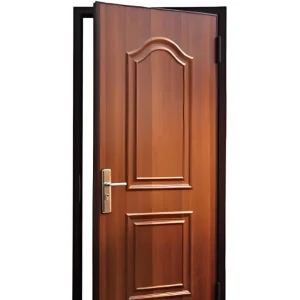
Swinging doors are the most common type. They use standard hinges and operate like any conventional interior door. Single-leaf swinging doors are the default for bedrooms and bathrooms. Double-leaf versions suit wider openings such as formal offices or large closets.
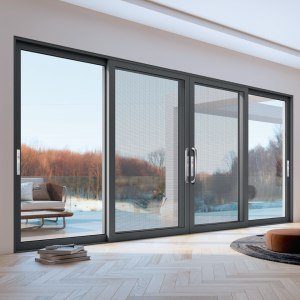
Sliding doors run on a top-mounted track and slide parallel to the wall. They save floor space because they do not require a swing radius. Frosted glass sliding doors are popular for closets, pantries, and room dividers in apartments where every square foot matters.
Pocket doors are a variation of sliding doors where the panel retracts into a concealed cavity inside the wall. When fully open, the door disappears entirely, allowing an unobstructed opening. This configuration requires wall construction that can accommodate the pocket, so it is best planned during renovation rather than retrofitted.
Bifold doors consist of two or more panels hinged together that fold back accordion-style. They work well for laundry rooms, utility spaces, and large closet openings where a swinging door would intrude into the room.
Standard Sizes and Dimensions
Interior door sizes are standardized in the construction industry. For frosted glass doors, the frame dimensions follow the same conventions as solid doors. The table below shows common sizes for single-leaf swinging doors in the United States and Canada.
| Door Width (inches) | Door Height (inches) | Typical Application |
|---|---|---|
| 24 | 80 | Small closets, utility rooms |
| 28 | 80 | Bathrooms, narrow passages |
| 30 | 80 | Standard bedrooms, offices |
| 32 | 80 | Main bedrooms, wider accessibility |
| 36 | 80 | Primary suites, wheelchair access |
| 30 | 84 | Prestige residential, taller ceilings |
| 32 | 84 | Custom residential |
| 36 | 84 | Luxury projects, commercial corridors |
| 36 | 96 | Double-height or custom entries |
Sliding and bifold doors follow a different sizing logic because they cover openings rather than fit inside door frames. A sliding door panel must be roughly half the width of the opening it covers (for a two-panel system) or the full opening width minus overlap (for a single-panel design). For a 60-inch opening, two 30-inch panels or one 60-inch panel would be typical.
Glass thickness is a separate specification. For interior doors, 5/16-inch (8 mm) tempered glass is the most common recommendation. Thinner 1/4-inch (6 mm) glass is acceptable for smaller panels under 36 inches wide. Thicker laminated glass, around 1/2-inch (12 mm), is used when acoustic performance or additional safety is required. Most building codes require tempered glass in doors and adjacent sidelites regardless of thickness, because it shatters into small granular pieces rather than dangerous shards.
Where to Use Frosted Glass Doors
Bedrooms. A frosted glass bedroom door is a practical choice when the room lacks natural light from windows. It borrows light from adjacent hallways or living areas while maintaining visual privacy. For bedrooms where complete darkness is needed for sleep, consider pairing frosted glass with a curtain or choosing a door with a lower glass panel rather than full glass.
Bathrooms. Frosted glass is a common choice for bathroom doors. The translucency provides privacy while allowing light to enter a space that often has no windows. For bathrooms, specify privacy-rated frosted glass — typically a heavier etch or a laminated interlayer — because lighter frosting can still reveal movement and silhouettes.
Offices and conference rooms. Frosted glass doors allow natural light to penetrate interior workspaces while providing visual privacy for meetings and focused work. In open-plan offices, they define boundaries without creating a cave-like atmosphere.
Closets and dressing rooms. Sliding frosted glass doors for closets are a modern alternative to traditional mirrored or solid doors. They diffuse light, making the closet contents harder to discern while keeping the space feeling open.
Choosing the Right Frosted Glass Door: Key Considerations
Frosted finish type. Real frosted glass is achieved through acid etching or sandblasting, which permanently alters the glass surface. Acid-etched glass has a smooth, consistent finish that resists fingerprints. Sandblasted glass has a slightly rougher texture. Frosted film applied to clear glass is a cheaper retrofit option, but it can peel over time, especially in high-humidity areas, and is difficult to clean without scratching.
Frame material. Aluminum frames are lightweight, corrosion-resistant, and common in modern and commercial settings. Wood frames offer warmth and traditional aesthetics but require more maintenance. Steel frames are slim and strong, suitable for industrial or minimalist designs. Composite frames bridge the gap with low maintenance and good insulation. The frame material affects not only appearance but also the door’s overall weight capacity and durability.
Safety glass requirements. Interior doors with glass panels must use tempered or laminated glass in most jurisdictions. Tempered glass is heat-treated for strength. Laminated glass consists of two glass layers bonded with an interlayer, which holds the glass together if it breaks. When ordering frosted glass doors, confirm that the glass is tempered and that the frosting is applied before tempering, because frosting a tempered glass panel afterward can compromise its integrity.
Hardware compatibility. Frosted glass doors require hardware that matches the door’s weight. A full-glass or heavy glass-paneled door needs commercial-grade hinges or rollers rated for the load. For sliding doors, the track system must be rated for the combined weight of the glass and frame. Verify that handles, locks, and hinges are compatible with the glass thickness and frame profile.
Measuring for a Frosted Glass Door
To measure for a replacement door, measure the width and height of the existing door slab, not the frame opening. The door slab is the moving part. Standard interior door slabs are 80 inches tall and range from 24 to 36 inches wide. Measure at three points — top, middle, bottom for width, and both sides plus center for height — and use the smallest measurement.
For new construction or rough openings, measure the framed opening and subtract the required clearance for the door frame and shims. A typical 36-inch door requires a rough opening of approximately 38 inches wide and 82.5 inches tall to accommodate the frame and leveling space.
If you are ordering a custom frosted glass door, provide the exact opening dimensions after framing is complete. Custom sizes are readily available from manufacturers, though they cost more than standard sizes and may require longer lead times.
Maintenance and Durability
Frosted glass doors require minimal maintenance but need the right cleaning approach. Acid-etched and sandblasted surfaces can show water spots and smudges. Clean with a mild glass cleaner and a soft microfiber cloth. Avoid abrasive pads and ammonia-based cleaners, which can damage the frosted finish over time.
Film-applied frosted glass is more delicate. The film can scratch, yellow with UV exposure, and peel at the edges in humid environments. If durability is a priority, specify factory-frosted glass rather than film retrofits.
The frame material determines the door’s long-term structural durability. Aluminum frames with powder-coated finishes resist corrosion and fading. Wood frames require periodic refinishing, especially in humid climates. Steel frames are durable but can dent and may rust if the finish is compromised.
Cost Factors and Procurement Tips
Frosted glass doors cost more than hollow-core solid doors but less than solid wood doors with decorative glass. Several factors drive the price:
- Glass treatment. Acid etching costs more than sandblasting, which costs more than film application.
- Glass thickness and type. Tempered glass costs more than annealed glass. Laminated glass adds another cost layer.
- Frame material. Aluminum and composite frames are generally more affordable than wood or steel.
- Door configuration. Sliding and pocket doors cost more than swinging doors because of the track systems and installation complexity.
- Custom sizing. Non-standard dimensions increase both material waste and manufacturing cost.
For B2B buyers purchasing in volume, the most effective cost lever is standardizing sizes and glass specifications across a project. Custom sizes for every opening multiply costs unnecessarily.
Related Considerations: Sliding and Bedroom Door Options
Frosted glass sliding doors deserve special attention because they are frequently specified for both residential and commercial projects. Their space-saving operation makes them ideal for tight layouts, and the large glass panels maximize light transmission. When specifying sliding door frosted glass, verify that the rollers and track are rated for the door’s weight. Heavy glass panels require heavy-duty hardware to prevent sagging and ensure smooth operation.
For bedroom applications specifically, consider the degree of frosting carefully. A frosted glass bedroom door with light frosting (achieved with a lighter etch or thinner film) will transmit more light but offer less privacy. Heavier frosting provides better privacy but reduces light transmission. For bedrooms, a door with a frosted lower panel and clear upper panel, or vice versa, can offer both privacy and light where needed.
How We Meet These Standards
As a manufacturer of interior doors and windows, we produce frosted glass doors that follow the specifications outlined above. Our factory in China directly supplies aluminum-framed frosted glass doors, swinging, sliding, and pocket configurations, with full customization on size, glass type, and hardware. We offer acid-etched, sandblasted, and laminated frosted glass options, all tempered to meet safety requirements.
For international buyers, we provide adjustable profile structures and fittings to match local building codes in your target market. Our pre-shipment inspection includes air-tightness, water-tightness, and wind resistance testing on applicable products. We handle both FCL and LCL shipments with full customs documentation, including packing lists and proforma invoices.
If you are specifying frosted glass doors for a project and need pricing or technical details tailored to your market’s building codes, our team can assist with OEM and ODM requirements.