Exterior Mobile Home Doors: An Overview
Exterior mobile home doors differ from standard residential entry doors in a few critical ways. They are typically narrower and shorter, designed to fit the specific rough openings of manufactured homes built to HUD standards. While a site-built home might use a 36″ x 80″ door, mobile homes commonly use 32″ x 76″ or 36″ x 80″ prehung units.
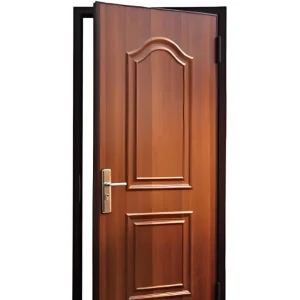
The construction is also different. Because manufactured homes are transported and set on foundations, their doors must withstand racking and shifting during transit. This is why most mobile home exterior doors are built as prehung units with a reinforced steel frame, rather than as a standalone slab. The prehung assembly includes the door slab, jamb, weatherstripping, and threshold, all factory-assembled to ensure proper alignment.
When you search for exterior mobile home doors for sale, you are typically looking at three material categories:
- Steel: The most common choice for primary entry doors. A steel skin over a polyurethane or polystyrene core offers good security and impact resistance. The outer surface is usually primed and paintable, or finished with a factory-applied coating.
- Fiberglass: A fiberglass skin over an insulated core. This material resists dents and corrosion better than steel, and it can be textured to mimic wood grain. It also handles temperature swings well, making it a strong option for climates with extreme heat or cold.
- Aluminum: Less common for primary entries, but frequently used for storm doors or in coastal environments where corrosion resistance is a priority. Aluminum frames are lightweight and durable, though they do not insulate as well as steel or fiberglass.
Price Ranges for Exterior Mobile Home Doors
Pricing for exterior mobile home doors varies significantly based on material, size, glass options, and whether you are buying a single replacement unit or a bulk order for a construction project. For a single prehung unit, expect the following ranges:
| Door Type | Typical Price Range (per unit) | Notes |
|---|---|---|
| Steel, standard size, no glass | $150 – $350 | Basic entry door; primed finish; core is typically polyurethane foam. |
| Steel, with decorative glass | $250 – $500 | Glass options include full-lite, half-lite, or sidelite patterns. |
| Fiberglass, standard size | $300 – $600 | Higher R-value than steel; resists dents and corrosion. |
| Fiberglass, with glass lite | $400 – $800 | Best energy performance; often specified for colder climates. |
| Aluminum storm door | $100 – $300 | Used in conjunction with a primary door; adds ventilation and weather protection. |
These prices reflect single-unit retail or small-order pricing. For B2B buyers—contractors, property managers, or developers purchasing for multiple units—the per-unit cost drops significantly. Factory-direct pricing for a 20-foot container order of steel entry doors can fall into the $100–$200 range per unit, depending on specifications and finish.
The largest price drivers are:
- Glass area: Any door with a glass lite costs more than a solid slab. Double-pane, tempered, or low-E glass adds to the cost.
- Core material: Polyurethane cores insulate better than polystyrene and are priced accordingly.
- Finish: Factory-applied paint or a faux wood grain finish adds cost over a primed surface.
- Hardware: The quality of the lockset, hinges, and handle set affects the final price. Multi-point locking systems are a premium option.
Key Specifications to Check Before Buying
Before ordering exterior mobile home doors for sale, verify the following specifications against your project requirements. Getting these wrong leads to costly delays and returns.
Standard Sizes and Rough Openings
The two most common sizes for mobile home exterior doors are:
- 32″ x 76″ – This is the older standard, common in manufactured homes built before the mid-1990s.
- 36″ x 80″ – This is the newer standard, used in most modern manufactured homes.
However, do not assume the size based on the age of the home. Always measure the actual rough opening. The rough opening is the framed hole in the wall, not the door slab size. A 32″ x 76″ door requires a rough opening of approximately 33.5″ x 77.5″. A 36″ x 80″ door requires approximately 37.5″ x 81.5″. These dimensions vary slightly by manufacturer, so confirm the exact rough opening requirement for the specific door you are considering.
Jamb Width
Jamb width must match the wall thickness of the home. Mobile home walls are typically 4″ to 6″ thick, depending on the year of manufacture and whether the home has been resided. Measure the wall thickness at the door opening to determine the required jamb width. A mismatched jamb leaves gaps that require shimming and extra trim work.
Swing Direction
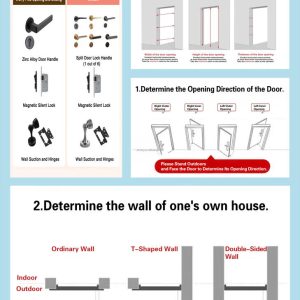
Determine whether the door swings in or out, and whether the hinges are on the left or right when viewing the door from the outside. An in-swing door is standard for most mobile home entry doors. Out-swing doors are sometimes used in coastal areas or when space inside is tight. Getting the swing direction wrong means the door cannot be installed without ordering a new unit.
Energy Efficiency
Mobile home doors are rated by U-factor (how well the door conducts heat) and R-value (thermal resistance). Lower U-factor is better for cold climates; higher R-value means better insulation.
- Steel doors with polyurethane cores typically have an R-value of 5 to 10, depending on the core thickness.
- Fiberglass doors can achieve R-values of 10 to 15, making them the better choice for extreme northern climates.
For warm climates, focus on the door’s ability to block solar heat gain. A door with a low-E glass lite or a full insulated slab will perform better than a door with a large single-pane window.
HUD Code Compliance and Wind Load
Mobile home doors must meet HUD code requirements, which include structural integrity, egress (emergency exit), and wind load resistance. If you are replacing a door in an existing home, the new door must meet the wind load requirements for your specific zone. Homes in coastal Florida or hurricane-prone areas require doors rated for higher wind pressures. Check the door’s certification label or ask the manufacturer for wind load test data before ordering.
Mobile Home Back Doors and Interior Doors: What to Know
The search for exterior mobile home doors often extends to back doors and interior doors, especially when a buyer is renovating an entire unit or managing a multi-unit property.
Mobile home back doors for sale are typically smaller than front entry doors. Common sizes include 30″ x 72″ and 32″ x 76″. They are often steel or aluminum, and many are designed to accommodate a screen door or storm door. Back doors are frequently specified as out-swing doors to save interior space, though this varies by layout.
Mobile home interior doors for sale are not exterior-rated. They are typically hollow-core or solid-core wood or composite slabs, sized at 24″ x 76″, 28″ x 76″, or 30″ x 76″. They are cheaper than exterior doors but do not provide insulation, weather resistance, or security. When ordering interior doors, pay attention to the hinge spacing and latch bore, as these can differ between mobile home and residential interior doors.
How to Get a Quote for Your Project
If you are buying for a single home, retail suppliers and big-box stores can handle the order. But if you are a contractor, property manager, or developer sourcing doors for multiple units, factory-direct purchasing is a different value proposition.
As a manufacturer of doors and windows, we supply exterior mobile home doors directly to buyers, bypassing the middleman markup. Here is how we meet the standards discussed above:
- Customization: We can adjust dimensions, jamb width, and swing direction to match your specific rough openings. We also offer custom colors, glass lites, and hardware accessories—including multi-point locks—to meet local building codes and project specs.
- Pre-shipment inspection: Every order is tested for air-tightness, water-tightness, and wind resistance before it leaves our factory. This is not a visual check; it is a performance test against the standards your project requires.
- Bulk pricing and logistics: We handle both FCL and LCL shipments, direct from our factory in China. For bulk orders, we provide a packing list, proforma invoice, and full customs documentation to simplify the import process.
- MOQ and lead time: Minimum order quantities depend on the door type and customization level. Standard steel doors in a 20-foot container are a common starting point. Lead times vary with order size and production schedule, but we can provide a firm timeline at the quote stage.
To get accurate pricing for your project, send us your rough opening dimensions, door count, and material preference. We will respond with a detailed quote that includes per-unit pricing, shipping costs, and lead time.
Frequently Asked Questions
What are the standard sizes for exterior mobile home doors?
The two most common sizes are 32″ x 76″ (older homes) and 36″ x 80″ (newer homes). Always measure the rough opening before ordering, as actual dimensions can vary by manufacturer and home age.
How much do exterior mobile home doors cost?
For a single prehung unit, expect to pay $150–$800 depending on material, glass, and finish. Bulk factory-direct orders reduce the per-unit cost significantly.
What materials are available for exterior mobile home doors?
Steel, fiberglass, and aluminum are the primary options. Steel offers the best security for the price; fiberglass provides superior insulation and dent resistance; aluminum is lightweight and corrosion-resistant.
What is the difference between exterior, back, and interior mobile home doors?
Exterior doors are insulated, weather-sealed, and security-rated. Back doors are exterior-rated but often smaller and simpler. Interior doors are not insulated or weather-resistant and are significantly cheaper.
Can I customize the size, color, or hardware of an exterior mobile home door?
Yes. Factory-direct manufacturers can adjust dimensions, jamb width, swing direction, color, glass, and hardware to match your project requirements. This is a standard part of OEM and ODM service.
What is the minimum order quantity and lead time for bulk purchases?
MOQ depends on the door type and customization. A standard 20-foot container of steel doors is a common starting point. Lead times vary with order size; a firm timeline is provided at the quote stage.
Do I need a special door for a mobile home?
Yes. Mobile home doors are built to HUD standards and fit specific rough openings. Standard residential doors will not fit properly without significant framing modifications, which can compromise the structural integrity of the home.