Last updated: October 2, 2026
A storm door should protect your entry, improve comfort, and look like it belongs on your home. When the opening is older, unusually shaped, slightly out of square, or simply not a standard dimension, Custom Size Storm Doors can offer a cleaner, tighter, and more dependable fit than forcing a stock model into place. This guide explains why custom storm doors are worth considering, what benefits they provide, and how to approach measuring and storm door installation with fewer surprises.
Why choose custom size storm doors?
Custom size storm doors are designed to match the actual dimensions and needs of your entry rather than asking your home to conform to a limited set of standard options. That matters because even a small mismatch can affect how the door closes, seals, latches, and looks from the curb. A properly sized storm door can help protect the main entry door, add a buffer against wind and rain, improve ventilation options, and create a more finished appearance.
Standard storm door sizes work well for many newer homes, but not every doorway fits neatly into those measurements. Older homes, remodeled entries, settled frames, and specialty doors may have openings that vary in width, height, or squareness. In those situations, custom door solutions can reduce the need for awkward fillers, excessive trimming, or compromises that make the final result feel temporary.
A better fit for non-standard openings
One of the biggest benefits of choosing a custom storm door is fit. Door openings are not always as uniform as they appear at first glance. A frame may be wider at the top than the bottom, the sill may have shifted over time, or trim may limit the usable space for mounting hardware.
When you rely only on common storm door sizes, you may end up with gaps that require extra framing or a door that operates poorly after installation. A custom option gives more room to account for the exact opening, which can create a smoother swing, more secure latch, and cleaner seal. This is especially helpful for historic homes, custom-built houses, and entries that have been changed during past renovations.
A better fit also supports long-term performance. Doors that rub, drag, or sit unevenly can place stress on hinges and closers. Over time, that stress may lead to noisy operation, poor alignment, or premature wear. A storm door made for the opening starts from a stronger foundation.
Protection that feels built in, not added on
A storm door acts as a first line of defense for your primary entry door. It can help shield the main door from rain, wind, dirt, and everyday exposure. When the storm door fits well, that layer of protection is more consistent because there are fewer open gaps around the perimeter.
This can be especially valuable if your main door has a decorative finish, glass inserts, wood details, or hardware you want to preserve. The storm door takes much of the daily contact from weather and foot traffic, while the entry door remains more protected behind it. A custom fit can make that protection look intentional rather than like an afterthought.
Custom storm doors also allow homeowners to think beyond basic coverage. Depending on the style selected, a storm door can support seasonal airflow, add visibility, provide a screen option, or create a more enclosed entry during rough weather. The benefit is not only that the door fits, but that it fits the way the household actually uses the entry.
Improved curb appeal and design flexibility
A storm door is one of the first things people notice at an entrance. If it looks undersized, oversized, crooked, or heavily patched around the frame, it can distract from an otherwise attractive exterior. Custom sizing helps the door align more naturally with the proportions of the entry.
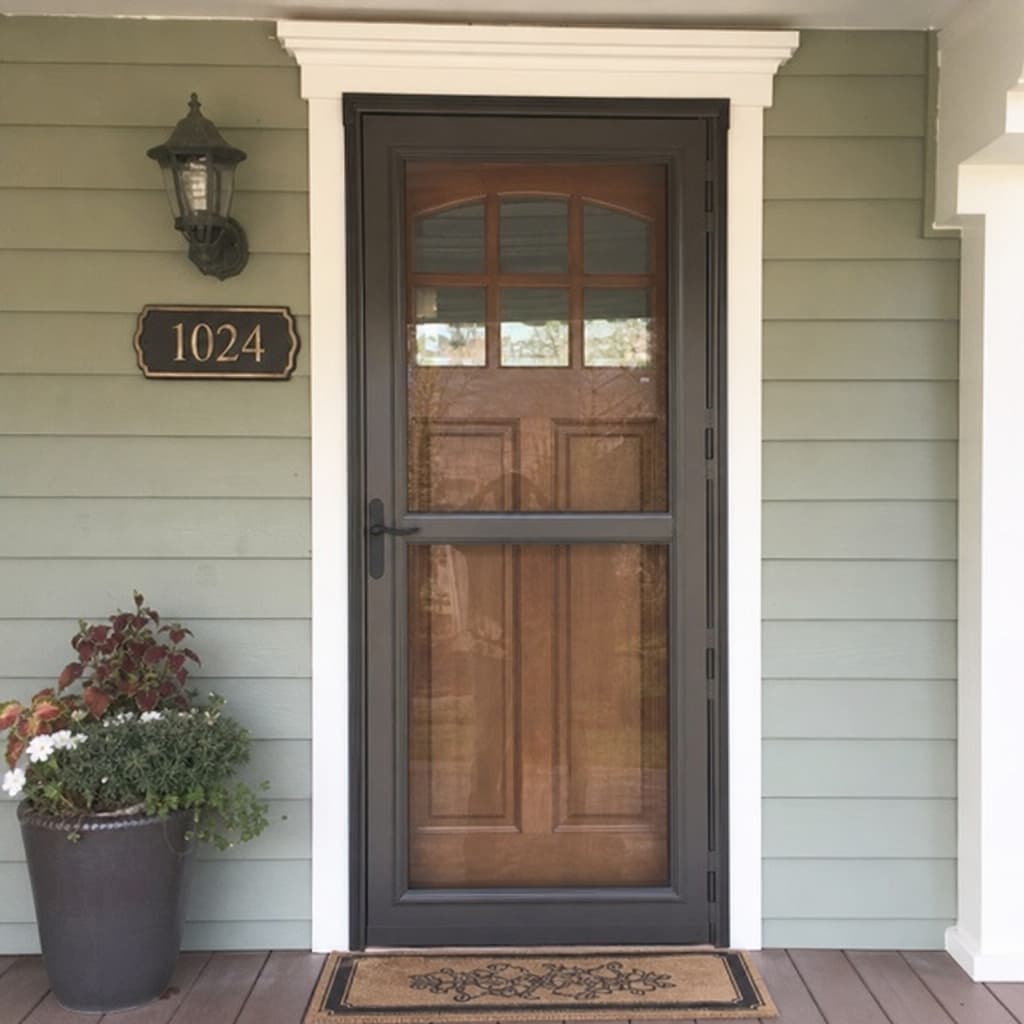
Design flexibility is another major advantage. When you are not limited to a narrow size range, it becomes easier to focus on the look and function you want. You may prefer a full-view glass panel to show off the main door, a mid-view design for added structure, or a style that balances privacy with natural light. The right design can complement the architecture instead of covering it up.
Custom door solutions can also make transitions cleaner around trim, brickmold, sidelights, and exterior materials. Even if the difference is subtle, a storm door that appears tailored to the entry can make the whole front elevation feel more polished.
What problems can the wrong storm door size cause?
The wrong storm door size can create problems with sealing, operation, appearance, and durability. A door that is too small may leave visible gaps or require bulky filler pieces, while a door that is too large may not mount correctly or may interfere with trim, handles, or the sill. Even if the door can be installed, it may not perform the way you expect.
Common issues include:
- Air and moisture gaps: Poor sizing can leave spaces where drafts, rain, dust, or insects can enter.
- Difficult closing: A misfit door may slam, stick, rub, or fail to latch securely.
- Hardware conflicts: Handles, closers, hinges, or locks may not align well with the existing entry.
- Uneven appearance: Extra filler strips or visible adjustments can make the installation look unfinished.
- Faster wear: Constant pressure on hinges, closers, or corners can shorten the useful life of the door.
These problems are not always obvious on the day the door is installed. Some show up after seasonal expansion, repeated use, or a few rounds of harsh weather. Choosing storm doors custom size for a difficult opening helps reduce those risks from the start.
Measuring matters more than most homeowners expect
The success of a custom storm door begins with accurate measurements. It is not enough to measure one spot and assume the entire opening is the same. Doorways can vary, especially if the house has settled or if past work altered the frame.
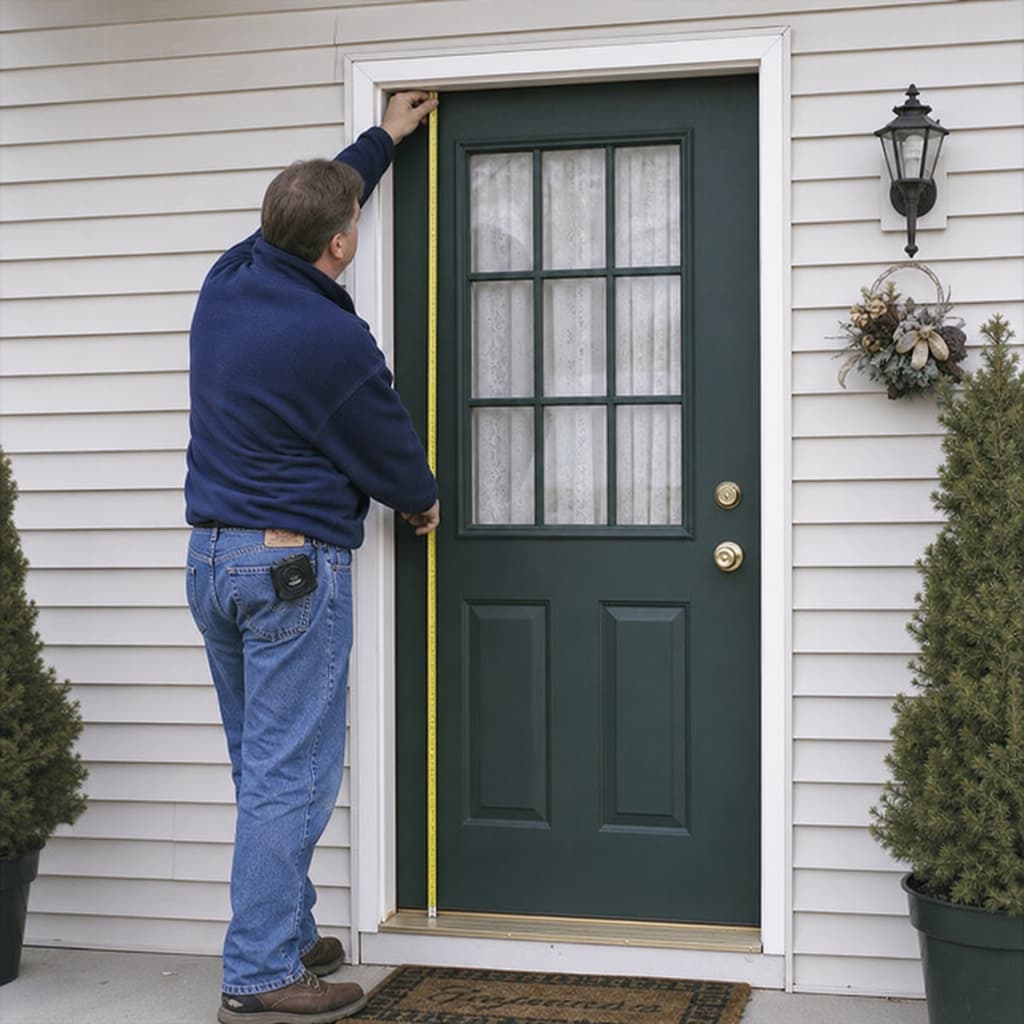
A practical measuring approach includes:
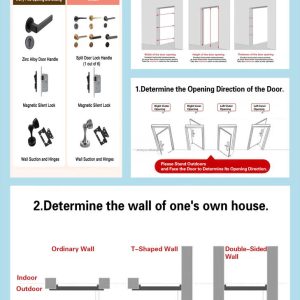
- Measure the width in three places: Check the top, middle, and bottom of the opening.
- Measure the height on both sides: Compare left and right measurements from sill to the top mounting surface.
- Check the mounting area: Confirm there is enough flat, stable space for hinges, screws, and the latch side.
- Look for obstructions: Note lights, mail slots, handles, railings, trim, or steps that may affect swing and hardware placement.
- Consider the door swing: Decide whether the storm door should hinge on the left or right based on traffic flow and the main entry door.
For custom storm doors, these details are not minor. They guide the final size, configuration, and installation method. If you are unsure, professional measuring before ordering can prevent costly mistakes.
Easier storm door installation when the door matches the opening
Storm door installation is usually smoother when the door has been sized for the actual entry. Installers spend less time trying to compensate for mismatched dimensions and more time securing, aligning, and adjusting the door properly. That can mean a cleaner finished result and fewer compromises around the frame.
A custom fit does not eliminate the need for good installation, though. The door still needs to be plumb, level, square, and properly fastened. Closers must be adjusted so the door shuts firmly without slamming, and weatherstripping needs to make consistent contact without excessive pressure.
Homeowners who are experienced with tools may be able to install some storm doors themselves, but custom projects often benefit from professional support. This is especially true if the opening is out of square, the trim is unusual, or the door includes specialty glass, screens, or hardware. A well-made door can only perform as well as the installation allows.
Energy comfort and everyday usability
A custom storm door can improve comfort at the entry by creating an additional barrier between the outdoors and the living space. It may help reduce noticeable drafts near the door and can make the entry feel less exposed during cold, windy, or rainy weather. The exact impact depends on the home, the main door, the seal quality, and the installation.
Usability matters too. A storm door that fits correctly is simply more pleasant to live with. It opens without scraping, closes without a fight, and latches with confidence. If it includes a screen or interchangeable panel, the household can adjust airflow and protection as seasons change.
This daily convenience is one of the most overlooked benefits of custom sizing. A door used multiple times a day should not feel like a workaround. It should feel like part of the home.
Who makes custom size storm doors?
If you are wondering who makes custom size storm doors, the answer is typically a mix of door manufacturers, local millwork or building supply providers, specialty exterior door companies, and professional installers who can order made-to-fit products. The best source depends on the opening, the style you want, and whether you need measuring and installation included.
When comparing options, look beyond the label “custom.” Ask what dimensions can actually be adjusted, what styles are available, how measurements are confirmed, and what happens if the opening is not square. A reputable provider should help you understand the ordering process before anything is fabricated.
Useful questions to ask include:
- Can the door be made to my exact width and height requirements?
- Do you provide or verify measurements before ordering?
- What glass, screen, color, and hardware options are available?
- Is installation included or handled separately?
- How are out-of-square openings addressed?
- What maintenance does the door require?
These questions help separate true custom door solutions from standard doors with limited adjustment options.
When custom is the smarter choice
Custom sizing is not necessary for every home. If your entry fits standard storm door sizes cleanly and the style options meet your needs, a stock door may be perfectly suitable. The smarter choice depends on the condition of the opening and the level of finish you expect.
Custom is often worth considering when:
- Your doorway is taller, shorter, wider, or narrower than standard options.
- The opening has settled or is noticeably out of square.
- Previous installations required large filler strips or visible patches.
- You want to preserve the look of a distinctive entry door.
- The home is older, historic, or architecturally unique.
- You need a specific combination of glass, screen, color, or hardware.
- You want the finished entry to look integrated rather than adapted.
The goal is not to choose custom for the sake of custom. The goal is to choose the door that solves the real condition of the entry with the least compromise.
A more finished entry starts with the right fit
Custom Size Storm Doors offer practical benefits that go beyond appearance. They can improve fit, support better sealing, protect the main entry door, make daily use smoother, and create a cleaner exterior look. For homes with unusual openings or higher design expectations, custom storm doors can be a smart way to avoid the frustrations that come from forcing a standard door into a non-standard space.
Before choosing a door, measure carefully, think about how the entry is used, and decide whether professional guidance would help. The right storm door should feel secure, operate smoothly, and look like it was always meant to be there.