What Does a Sliding Glass Door Cost in 2026?
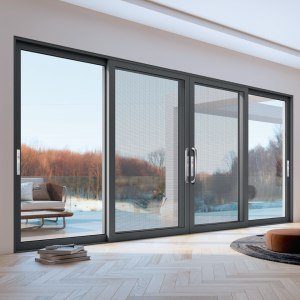
For a commercial project, a standard 2-panel aluminum sliding glass door typically ranges from $800 to $2,500 for the unit itself, with installed costs landing between $1,500 and $4,000. A 3-panel configuration runs $1,200 to $3,500 for materials, while multi-slide and stacking systems can reach $10,000 or more depending on panel count and glass specification.
These figures represent the material range, not the final installed price. Labor, structural preparation, and site conditions frequently add 50–100% to the unit cost. For commercial buyers, the unit price is only the starting point—the total project cost depends on configuration, glass performance requirements, and framing material.
Key Cost Drivers for Sliding Glass Doors
Frame Material
The frame determines both the baseline cost and the performance ceiling of the door system.
Aluminum remains the dominant choice for commercial applications. Standard thermal-break aluminum profiles cost between $20 and $40 per square foot of door area. The thermal break—a polyamide strip separating interior and exterior aluminum sections—adds roughly 15–20% to the frame cost but is essential for energy efficiency in climate-controlled buildings. Non-thermal aluminum runs cheaper but performs poorly in temperature extremes and can develop condensation issues.
Steel framing sits at a premium, typically $45–$70 per square foot. Steel allows for slimmer sightlines and higher structural capacity, which matters for large panels and wind-load requirements. The material cost is higher, and fabrication requires more labor. Steel frames also need proper corrosion protection, which adds to the finishing cost.
Fiberglass frames occupy a middle ground at $30–$50 per square foot. They offer better thermal performance than aluminum without thermal breaks and resist corrosion better than steel. However, fiberglass profile availability is limited compared to aluminum, which can restrict design flexibility and increase lead times.
Glass Type and Performance
Glass represents 30–50% of total door cost in most commercial systems. The specification drives both price and performance.
Double-pane insulated glass (two panes with an argon-filled air space) is the commercial baseline. Expect to pay $8–$15 per square foot for the glass unit itself. Low-E coatings—which reduce heat transfer while admitting visible light—add $2–$5 per square foot depending on coating quality and whether it is applied to one or both panes.
Triple-pane glass costs 30–50% more than double-pane. The added pane and weight require stronger framing and hardware, which increases the total system cost. Use triple-pane only when the project demands exceptional thermal performance, such as buildings pursuing Passive House certification or projects in extreme climates.
Tempered or laminated glass is not optional for most commercial applications—building codes require safety glazing in doors, sidelites, and areas within 18 inches of the floor. Tempering adds about $3–$6 per square foot. Laminated glass, which holds together when shattered, adds $5–$10 per square foot and is often required for hurricane-rated or high-security installations.
Configuration and Panel Count
The number of panels and how they operate significantly influence cost.
2-panel sliding doors are the most economical configuration. One fixed panel and one operating panel provide a clear opening of roughly half the total width. These work well for standard openings up to 8 feet wide.
3-panel sliding doors typically feature one fixed panel and two operating panels, or two fixed panels and one operating panel. The additional panel increases material, hardware, and labor costs by 30–50% compared to a 2-panel of similar total width. The price difference comes from more glass, more frame extrusion, and additional rollers and tracks.
Multi-slide and stacking systems use multiple panels that stack to one or both sides. These are the most expensive per square foot because each panel requires its own rollers, and the stacking hardware is more complex. A 4-panel stacking system can cost 2–3 times more than a 2-panel door of the same total width.
Size and Structural Requirements
Larger doors require thicker glass, heavier framing, and more robust hardware. A 10-foot-wide door needs structural reinforcement that a 6-foot door does not. Wind-load requirements—which vary by region—directly affect frame thickness and anchoring methods. A door rated for hurricane zones will cost more than the same size door in a low-wind region.
Hardware Quality
Rollers, handles, locks, and hinges range from basic to architectural-grade. Commercial-grade hardware adds $150–$500 to a project compared to residential hardware. For high-traffic entrances, this is not an area to cut costs—inferior rollers wear out quickly under frequent use and are expensive to replace.
Sliding Glass Door Price by Configuration
2-Panel Sliding Doors
A standard 2-panel aluminum sliding door with double-pane glass, sized 6 to 8 feet wide and 8 feet tall, costs $800–$2,000 for the unit. This is the configuration most commercial buyers compare against when budgeting entry doors or patio openings.
3-Panel Sliding Doors
A 3-panel configuration for a 9 to 12-foot opening runs $1,200–$3,500. The wider opening provides better access for equipment movement and creates a more open connection between interior and exterior spaces. For commercial hospitality projects, the 3-panel configuration is often the sweet spot between cost and access width.
Multi-Slide and Stacking Systems
These systems start around $2,500 for a modest 3-panel configuration and escalate quickly. A 6-panel stacking wall system for a restaurant or event space can cost $8,000–$15,000 before installation. The cost reflects the complexity of the hardware and the engineering required to support large spans of glass.
Pocket Sliding Doors
Pocket doors slide into a wall cavity, completely disappearing when open. The door unit costs 20–30% more than a standard sliding door of the same size, and the wall pocket construction adds significant framing and finish labor. Budget for $3,000–$6,000 in total for a pocket door installation, depending on wall conditions.
Full-Wall and 10-Foot Configurations
Full-wall glazing systems and 10-foot-wide doors require structural engineering and heavier components. A 10-foot sliding door with proper wind-load rating and commercial hardware typically costs $2,500–$5,000 for the unit. Full-wall systems with multiple panels can exceed $15,000 for the glazing package alone.
Alternative Door Types and Their Price Ranges
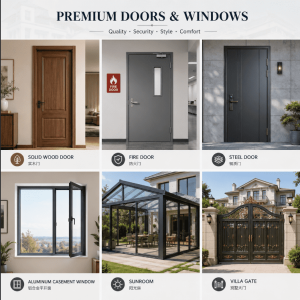
Steel Doors
Commercial steel doors—both sliding and hinged—cost $1,500–$4,000 for standard sizes. Steel offers superior security and fire ratings compared to aluminum-framed glass doors. The trade-off is weight and thermal performance. Steel doors require heavier tracks and framing, and without thermal breaks, they perform poorly in energy-efficiency tests.
Fiberglass Doors
Fiberglass entry doors cost $1,200–$3,000 for hinged configurations. Fiberglass resists denting and corrosion better than steel and provides better insulation than non-thermal aluminum. However, fiberglass sliding glass doors are less common than aluminum systems because the material’s thermal advantages are less relevant when the door is mostly glass.
Commercial Glass Entry Doors
Full-glass commercial entry doors—typically hinged or automatic—cost $2,000–$6,000 per door depending on glass specification and hardware. Automatic operators add $2,000–$4,000 per door. For high-traffic entrances, automatic operation is often necessary for accessibility compliance.
Sliding Glass Door Cost Comparison Table
| Configuration | Unit Price Range | Glass Specification | Best Use Case |
|---|---|---|---|
| 2-panel aluminum sliding | $800 – $2,000 | Double-pane, tempered | Standard openings, offices, retail |
| 3-panel aluminum sliding | $1,200 – $3,500 | Double-pane, tempered | Wider access, hospitality, restaurants |
| Multi-slide / stacking (4+ panels) | $2,500 – $15,000 | Double or triple-pane | Event spaces, full-wall openings |
| Pocket sliding door | $1,500 – $4,000 (unit) | Double-pane, tempered | Space-saving installations |
| 10-foot sliding door | $2,500 – $5,000 | Double-pane, structural | Large openings, commercial storefronts |
| Steel sliding door | $1,500 – $4,000 | Double-pane, tempered | Security-focused applications |
| Fiberglass entry door | $1,200 – $3,000 | Double-pane | Corrosion-prone environments |
Installation labor typically adds $500–$1,500 depending on site conditions, wall preparation, and whether the installation is new construction or retrofit. Retrofit installations often require framing modifications, which can add $1,000–$3,000 in carpentry and structural work.
How to Choose the Right Door for Your Project
Define the Performance Requirements First
Before comparing prices, establish what the door must achieve. Three questions matter most:
What are the wind-load requirements? Coastal and high-rise projects need doors rated for higher wind pressures. This affects frame thickness, glass thickness, and anchoring—all of which increase cost. A door that meets code in Ohio may fail in Miami.
What is the energy performance target? Building energy codes specify maximum U-factor (heat transfer rate) and SHGC (solar heat gain coefficient) for glazing. A door with a U-factor of 0.30 will cost more than one rated at 0.50. If the project pursues LEED or other green certifications, the glazing specification becomes even more critical.
What is the traffic pattern? A door used 50 times per day in a private office has different hardware requirements than a restaurant entrance used 500 times per day. Commercial-grade hardware costs more upfront but prevents premature failure and replacement costs.
Cost per Square Foot Methodology
To estimate a project budget, calculate the door area and apply a per-square-foot cost range:
- Aluminum frame with double-pane glass: $25–$45 per square foot
- Aluminum frame with triple-pane glass: $35–$60 per square foot
- Steel frame with double-pane glass: $45–$70 per square foot
- Fiberglass frame with double-pane glass: $30–$50 per square foot
For a 10-foot by 8-foot opening (80 square feet), a mid-range aluminum system would land between $2,000 and $3,600 for the unit. Installation adds 30–60% depending on complexity.
New Construction vs. Retrofit
New construction installations are typically less expensive because the rough opening can be framed to accommodate the door system. Retrofit installations in existing buildings often require:
- Removal of the existing door and frame
- Structural modifications to the rough opening
- Repair of surrounding wall finishes
- Potential floor or threshold adjustments
These factors add $1,000–$3,000 to retrofit projects compared to new construction. For commercial projects, verify whether the budget should include structural engineering review—many retrofit projects require a stamped drawing for permitting.
Comparing Quotes: What to Look For
When evaluating bids from suppliers or contractors, ensure each quote includes:
- Door unit cost with specified glass and hardware
- Delivery or freight charges
- Installation labor and materials
- Disposal of existing door (if replacing)
- Permits and inspections
- Warranty terms for both the unit and the installation
Quotes that omit these items may appear lower but rarely end up cheaper. Request itemized pricing so you can compare like-for-like.
Additional Considerations for Commercial Buyers
Glass and Frame Options That Affect Price
Several specification choices materially shift the final cost of a sliding glass door system. Buyers evaluating “glass sliding door price” options should understand how these add up:
Low-E coatings add $2–$5 per square foot but reduce HVAC loads. For large glazing areas, the payback period is typically 2–4 years in climate-controlled buildings. Specify low-E glass with the correct coating for your climate zone—solar-control coatings suit hot climates, while low-emissivity coatings suit cold climates.
Argon gas fill adds roughly $1–$2 per square foot and improves the insulating value of double-pane units by 10–15%. For most commercial projects, the incremental cost is justified by energy savings.
Custom colors and finishes on aluminum frames add $3–$8 per square foot depending on the finish type. Anodized finishes cost less than architectural powder coating, but powder coating offers more color options and better durability in harsh environments.
Impact-rated glazing—required in hurricane zones—adds $10–$20 per square foot compared to standard tempered glass. This is a significant cost driver that buyers in coastal regions must budget for from the start.
The Real Cost of Cheap Doors
For commercial projects, the lowest upfront cost is rarely the lowest total cost. A door unit priced 30% below the market average typically achieves that savings through thinner extrusions, lower-grade rollers, or less rigorous quality control. In commercial applications, these differences manifest as:
- Premature roller failure under heavy use
- Air and water leakage that undermines energy performance
- Condensation on frames in cold weather
- Difficulty sourcing replacement parts
When comparing “double pane sliding glass doors price” across suppliers, ask for the profile wall thickness (commercial-grade aluminum extrusions are typically 1.6–2.0 mm), the roller load rating, and the testing standards the door meets.
Air, Water, and Wind Testing
Commercial sliding doors should be tested to recognized performance standards. The key ratings are:
- Air infiltration (how much air passes through the closed door)
- Water penetration (resistance to water entry under wind-driven rain)
- Structural wind load (ability to withstand design wind pressures)
Doors tested to these standards cost more than untested units, but the testing provides documented performance you can rely on for permitting and building code compliance. Ask suppliers for test reports before specifying a system.
How We Meet These Standards as a Factory-Direct Manufacturer
For commercial buyers comparing sliding glass door costs, the supply chain matters as much as the product specification. When you purchase through a distributor, the price you pay includes the distributor’s margin on top of the manufacturer’s price. Buying factory-direct removes that layer.
As a manufacturer of thermal-break aluminum doors and windows, our approach addresses the cost drivers that matter most to commercial buyers:
We price from the factory, not from a distribution network. Direct supply means the quote you receive reflects manufacturing cost plus a reasonable margin, without middleman markups. For bulk project supply, this difference is substantial.
Full customization is standard, not a premium. We adjust profile structure, glass specifications, and hardware to match the building codes and performance requirements of your target market. If your project requires specific wind-load ratings, thermal performance, or egress configurations, we engineer the door system to meet those parameters rather than asking you to adapt to a standard product.
Pre-shipment testing verifies performance. Each production batch undergoes air-tightness, water-tightness, and wind-resistance testing before shipment. You receive documented test results with your order, which supports your permitting and inspection process.
We handle the logistics. For international buyers, we provide packing lists, proforma invoices, and full customs documentation. Both FCL and LCL shipments are available, with direct delivery from our factory to your project site or port.
Compliance with local codes is built into the design. We adjust profile structures and fittings to align with the building codes of your target market. This reduces the risk of specifying a door that fails inspection or requires field modification.
If you are evaluating suppliers for a commercial project and want to compare factory-direct pricing against distributor quotes, our team can provide a detailed quotation with full specifications.
Contact our team with your project dimensions, glass requirements, and performance targets to receive a quote.
Frequently Asked Questions About Sliding Glass Door Costs
What is the average cost of a sliding glass door for a commercial project?
For a standard 2-panel aluminum door with double-pane glass, budget $800–$2,000 for the unit. With installation, the total typically lands between $1,500 and $4,000. Larger configurations and premium glass specifications increase these figures proportionally.
How does the cost of a 3-panel sliding glass door compare to a 2-panel?
A 3-panel configuration costs 30–50% more than a 2-panel door of similar total width. The additional panel means more glass, more frame extrusion, and additional hardware. For a 12-foot opening, expect $1,200–$3,500 for the unit compared to $1,000–$2,500 for a 2-panel of the same width.
What are the price differences between glass, steel, metal, and fiberglass doors?
Aluminum-framed glass doors are the most economical at $25–$45 per square foot. Steel doors run $45–$70 per square foot due to material and fabrication costs. Fiberglass doors sit in between at $30–$50 per square foot. The glass itself—whether double or triple pane, tempered or laminated—affects the total more than the frame material in most cases.
How much do large or full-wall sliding glass doors cost?
Full-wall systems with four or more panels typically start around $2,500 and can exceed $15,000 for the glazing package alone. The cost scales with panel count, glass specification, and structural requirements. A 10-foot sliding door with commercial hardware runs $2,500–$5,000 for the unit.
What factors most significantly affect the price of sliding glass doors?
Panel configuration is the largest single cost driver, followed by glass specification. Frame material and finish add 20–40% depending on choices. Hardware quality and wind-load rating also contribute meaningfully. For retrofit projects, installation complexity can equal or exceed the unit cost.
Are there additional costs like installation or customization?
Yes. Installation labor adds $500–$1,500 for standard installations, with retrofit projects often costing more due to framing modifications. Custom sizes, colors, and hardware add 10–30% over standard configurations. Permits, disposal of old doors, and structural engineering review can add several hundred to several thousand dollars depending on the project.
Do energy-efficient sliding glass doors cost more?
Yes, but the premium is modest relative to the energy savings. Low-E coatings add $2–$5 per square foot, and argon gas fill adds about $1–$2 per square foot. For a 10-foot door, this adds roughly $300–$700 to the unit cost. In climate-controlled buildings, the payback period is typically 2–4 years.