Quick Overview
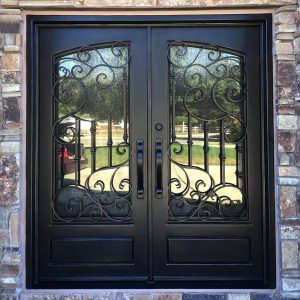
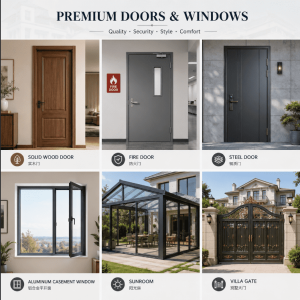
Commercial exterior doors with glass are entry systems engineered for high-traffic buildings where durability, security, and visibility matter equally. These doors typically combine a structural frame—aluminum, wood, or steel—with glazing that can range from single-pane annealed glass to multi-layer insulated units with impact resistance. The primary advantage is daylighting: glass entries reduce the need for artificial lighting in lobbies and retail spaces while creating a welcoming, transparent storefront aesthetic.
For B2B buyers, the decision hinges on balancing upfront cost against long-term performance. Entry doors in commercial settings face constant use, weather exposure, and security demands. This guide breaks down the specifications, applications, and price ranges you need to evaluate before purchasing.
Key Specifications: Materials, Glass, and Performance
Frame Materials
Aluminum dominates the commercial exterior door market for good reason. It is lightweight, corrosion-resistant, and can be extruded into complex profiles that accommodate thick glass panels. Thermal-break aluminum—where a polyamide strip separates the interior and exterior metal sections—significantly improves insulation performance. This design reduces heat transfer through the frame, which matters in climates with extreme temperatures.
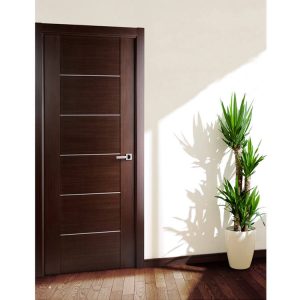
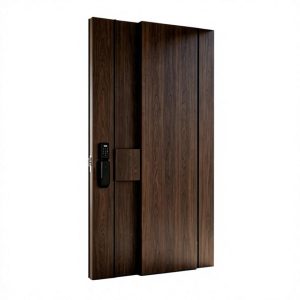
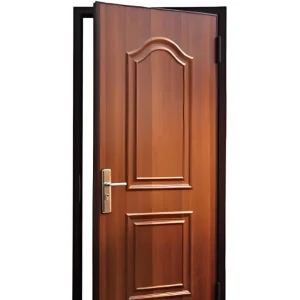
Wood offers a classic, high-end aesthetic that suits historic buildings, upscale hospitality venues, and corporate headquarters. Solid wood doors provide natural insulation and can be finished to match architectural details. The trade-offs are higher maintenance (repainting or resealing every few years) and greater susceptibility to moisture damage in humid or coastal environments. Engineered wood products, such as laminated veneer lumber, mitigate some of these issues while retaining the appearance.
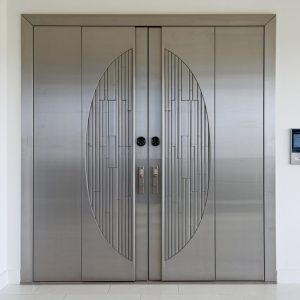
Steel frames are less common for glass-heavy designs but appear in security-sensitive applications. Steel is stronger than aluminum but heavier and more prone to corrosion unless properly finished. It also conducts heat more readily, so thermal performance is generally poorer unless the frame includes a thermal break.
Glass Types
The glass specification often matters more than the frame. For commercial exterior doors, building codes typically require safety glazing—glass that resists breaking and minimizes injury if it does break.
- Tempered glass is heat-treated to be four to five times stronger than annealed glass of the same thickness. When it breaks, it shatters into small, blunt pieces rather than sharp shards. This is the minimum standard for most commercial door applications.
- Laminated glass consists of two or more glass layers bonded with a plastic interlayer. If broken, the fragments adhere to the interlayer, maintaining the door’s integrity. This is essential for impact resistance and security.
- Insulated glass units (IGUs) combine two or three panes with a sealed air or gas-filled space. They deliver the thermal performance required for energy-efficient buildings, with U-factors that vary depending on the number of panes, coating, and gap width.
- Impact-resistant glass, typically laminated with a thicker interlayer, is designed to withstand hurricane-force debris. It is required in certain coastal jurisdictions and increasingly specified for high-security buildings.
Performance Ratings
When evaluating commercial exterior doors, look for three key metrics:
- U-factor measures heat transfer—lower values indicate better insulation. A typical high-performance commercial door system might achieve a U-factor between 0.30 and 0.50, depending on configuration.
- SHGC (Solar Heat Gain Coefficient) measures how much solar radiation passes through the glass. Lower values reduce cooling loads in warm climates; higher values help passive heating in cold climates.
- Air infiltration rates indicate how much outside air leaks through the door assembly. Lower is better for energy efficiency and occupant comfort.
Where They Work Best: Applications and Use Cases
Commercial exterior doors with glass are not one-size-fits-all. Different building types create different demands:
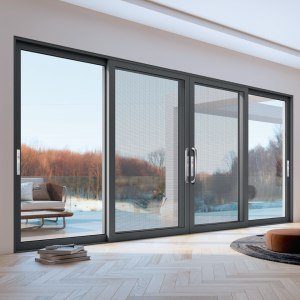
Retail storefronts need maximum visibility to display merchandise and draw foot traffic. Full-glass or nearly full-glass doors with narrow aluminum frames are standard. Sliding or automatic configurations are common where hands-free entry is desirable, such as grocery stores and pharmacies.
Office buildings require a balance between transparency and privacy. Lobby entries often use glass doors with clear glazing at the entrance, transitioning to frosted or tinted glass for interior visibility control. High-traffic entries benefit from automatic operators, which also support accessibility compliance.
Hospitality venues—hotels, restaurants, and event spaces—prioritize aesthetics. Wood doors with decorative glass inserts or custom aluminum finishes create a distinctive first impression. Acoustic performance becomes relevant for venues facing busy streets.
Healthcare facilities need easy-to-clean surfaces and hands-free operation. Aluminum doors with antimicrobial coatings and automatic sensors are common. Glazing is typically limited to sidelites and transoms to maintain patient privacy.
Educational institutions face heavy daily use and vandalism risks. Impact-resistant glass and reinforced frames are worth the premium in high-traffic areas like gymnasiums and main entrances.
What to Consider Before Buying
Durability and Maintenance
Aluminum frames require minimal upkeep—periodic cleaning and hardware lubrication suffice. Wood frames demand more attention: repainting or refinishing every three to five years, depending on exposure. Glass maintenance depends on the coating; some low-E coatings are more sensitive to certain cleaning agents.
Energy Efficiency
For buildings pursuing LEED certification or energy code compliance, the door assembly’s thermal performance contributes to the overall envelope. Insulated glass with low-E coatings and thermal-break aluminum frames are the standard approach. In climates with extreme temperature swings, the payback period for premium thermal performance is typically short.
Security and Access Control
Commercial glass doors must integrate with your building’s security infrastructure. This includes:
- Hardware: Panic bars, exit devices, and locksets rated for commercial use (ANSI/BHMA Grade 1 is the highest durability rating).
- Access control: Electric strikes, magnetic locks, or smart locks that integrate with keycard or biometric systems.
- Glazing: Laminated glass resists forced entry better than tempered glass. For high-security applications, specify multi-layer laminated glass or add security film.
Building Codes
Requirements vary by jurisdiction, but common considerations include:
- Safety glazing: Doors and sidelites typically require tempered or laminated glass per ANSI Z97.1 and CPSC 16 CFR 1201 standards.
- Accessibility: Door widths, thresholds, and operating force must comply with ADA (Americans with Disabilities Act) or your local equivalent.
- Egress: Exit doors must open easily from the inside without special knowledge or tools—panic hardware is often mandated for certain occupancy types.
- Hurricane zones: Impact-resistant glazing may be required in coastal regions. Check the Florida Building Code or your local equivalent for specific criteria.
Price & Cost: What to Expect and How to Budget
Commercial glass entry door pricing varies widely based on materials, glass specifications, size, hardware, and labor. Here is a practical breakdown of what influences cost:
| Door Configuration | Typical Price Range (Material Only) | Key Cost Drivers |
|---|---|---|
| Aluminum frame, single door, tempered glass | Lower end | Standard sizes, basic hardware |
| Aluminum frame, double door, insulated glass | Mid range | Thermal-break frame, low-E coating |
| Wood frame, single door, decorative glass | Mid to higher end | Wood species, finish quality |
| Full-glass sliding door, automatic operator | Higher end | Operator unit, sensors, safety features |
| Impact-resistant aluminum, laminated glass | Highest end | Hurricane-rated glass, reinforced frame |
These ranges are directional, not fixed quotes. The final price depends on:
- Size: Custom dimensions increase fabrication costs. Standard sizes are cheaper.
- Glass specification: Insulated, laminated, and impact-resistant glass add significant cost. Low-E coatings and tinting also add to the price.
- Frame material: Aluminum is generally more affordable than wood, especially for large glazing areas. Steel falls between the two.
- Hardware: Commercial-grade locksets, panic bars, and hinges range from budget to premium. Automatic operators add thousands to the project cost.
- Finishes: Custom colors (such as architectural bronze or black anodized) cost more than standard mill finish or white.
- Quantity: Bulk orders for multi-door projects typically receive volume pricing.
For budgeting purposes, expect the door unit itself to represent roughly half the total project cost, with installation, framing, and finishing accounting for the remainder. Shipping and import duties add another layer if sourcing internationally.
Additional Options: Sliding Glass Doors, Aluminum, and Wood
Commercial Sliding Glass Doors
Sliding doors are an excellent choice where swing clearance is limited or where a wide opening is needed. They operate smoothly, require less floor space than hinged doors, and can be specified with automatic operators for hands-free use. Key specifications to evaluate:
- Track system: Heavy-duty bottom-rollers or top-hung systems reduce wear and ensure smooth operation.
- Glass: Insulated or laminated glass is standard for exterior applications.
- Weather sealing: Look for dual brush seals and weatherstripping to minimize air infiltration.
- Security: Multi-point locking systems provide better resistance to forced entry than single-point latches.
Aluminum vs. Wood Commercial Doors
The choice between aluminum and wood comes down to priorities:
| Factor | Aluminum | Wood |
|---|---|---|
| Durability | Excellent; resists corrosion and warping | Good; requires periodic refinishing |
| Maintenance | Low; occasional cleaning and hardware checks | Higher; repainting or resealing every few years |
| Thermal Performance | Good with thermal break; excellent with IGUs | Naturally insulating; performance depends on glass |
| Aesthetics | Modern, slim profiles; custom colors available | Classic, warm appearance; can match historic architecture |
| Cost | Generally lower upfront | Higher material and maintenance costs over time |
| Weight | Lightweight; easier to handle and install | Heavier; requires robust framing and hardware |
For most commercial applications, aluminum is the pragmatic choice. Wood makes sense where the architectural style demands it, and the maintenance budget can accommodate it.
How to Get a Custom Quote
Once you have defined your project requirements—door type, size, glass specification, hardware, and quantity—you need a supplier that can translate those requirements into a manufacturable product. Here is how the procurement process typically works:
- Prepare your specifications: Gather architectural drawings, door schedules, and performance requirements (U-factor, SHGC, wind load, impact rating).
- Request quotes from multiple suppliers: Provide identical specifications to enable apples-to-apples comparison.
- Evaluate beyond price: Consider lead time, shipping costs, quality control processes, and after-sales support.
- Verify compliance: Ask for documentation that the product meets the building codes and standards applicable to your jurisdiction.
As a manufacturer of commercial exterior doors with glass, this is the process we follow with every client. We are Jusen Door and Windows Manufacturing Co., Ltd., and we supply directly from our factory in China, which eliminates middleman markup. We offer full customization on size, color, glass, and hardware, and we adjust our profile structures and fittings to match the local building codes of your target market.
Before shipping, every order undergoes strict pre-shipment inspection covering air-tightness, water-tightness, and wind resistance. We also provide packing lists, proforma invoices, and full customs documentation, and we ship via both FCL and LCL to destinations worldwide. Whether you need a single door or a multi-unit construction project, we can accommodate your volume requirements.
If you have defined your specifications and need a detailed quote, contact our team directly. We will work through your requirements and provide a pricing breakdown based on your exact configuration.