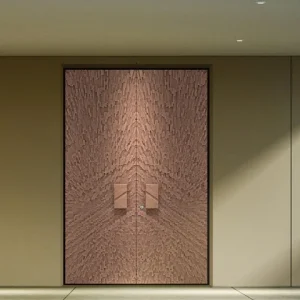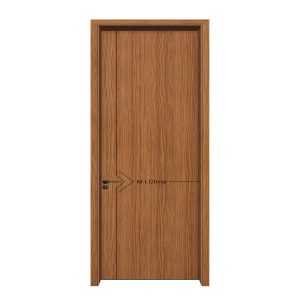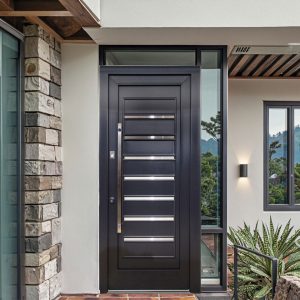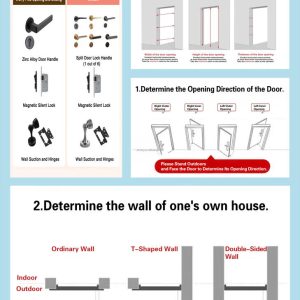
What Are Classic Craft Doors?
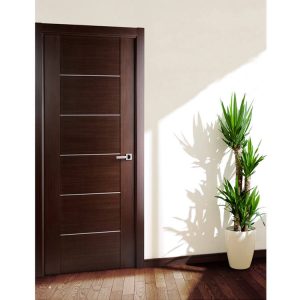
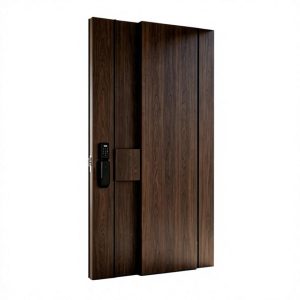
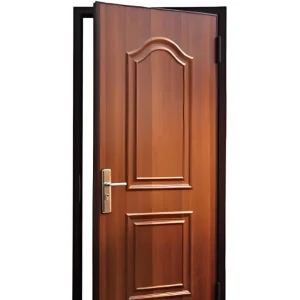
Classic craft doors are high-quality interior or exterior doors that prioritize traditional joinery, material integrity, and design flexibility over mass-production efficiency. Unlike standard hollow-core or pressed-panel doors, classic craft doors are typically constructed from solid wood or engineered wood with visible craftsmanship in the frame, panel profile, and edge detailing.
The defining characteristics are threefold: material substance, construction method, and customization potential. A classic craft door generally uses thicker stiles and rails (the vertical and horizontal frame members), full-height solid or veneered panels, and joinery that is either mortise-and-tenon or doweled rather than stapled. This results in a door that feels heavier, insulates better, and can be trimmed, planed, or refinished over its service life.
The term “craft” does not imply a specific style. It refers to the manufacturing approach. You can find classic craft doors in Shaker, Craftsman, Victorian, or contemporary flat-panel designs. The common thread is that the door is built to be worked on—sanded, stained, painted, or glazed—and to accept site-specific adjustments.
Standard Dimensions and Specifications
Classic craft doors follow the same rough opening and slab size conventions as standard doors in North American and European markets. The table below lists the most common nominal sizes for pre-hung and slab units.
| Door Type | Standard Width (inches) | Standard Height (inches) | Typical Thickness (inches) |
|---|---|---|---|
| Interior single | 24, 28, 30, 32, 36 | 80 (6’8″) | 1 3/8 |
| Interior double | 24 + 24, 30 + 30, 36 + 36 | 80 (6’8″) | 1 3/8 |
| Exterior single | 30, 32, 36 | 80 (6’8″) | 1 3/4 |
| Exterior double | 30 + 30, 32 + 32, 36 + 36 | 80 (6’8″) | 1 3/4 |
| Tall interior | 30, 32, 36 | 96 (8’0″) | 1 3/4 |
| Custom | Any (increments of 1/8″) | Any up to 120 | 1 3/4 to 2 1/4 |
For metric markets, the equivalent common sizes are 626mm, 726mm, 826mm, and 926mm widths with 2040mm heights. When specifying classic craft doors for a project, always verify the actual rough opening dimensions before ordering. Unlike standard doors that are mass-produced to tight tolerances, craft doors may have slight variations depending on the wood species and finishing process. A pre-hung unit with an adjustable jamb is often the safer choice for renovation work where wall thickness varies.
Applications in Residential and Commercial Projects
Classic craft doors serve different roles depending on the building type.
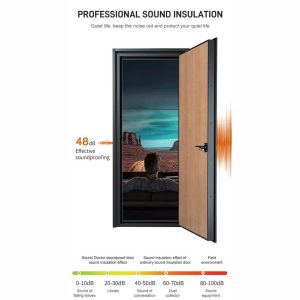
In residential settings, they are most often specified for entryways, home offices, libraries, and primary suites. The solid construction provides meaningful sound attenuation between rooms—relevant for home theaters or ground-floor studies. For exterior applications, a solid wood classic craft door with a thermal break aluminum frame or a storm door system offers better insulation than a steel or fiberglass unit in moderate climates, though it requires more maintenance.
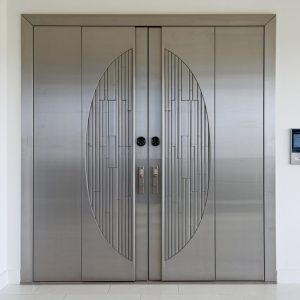
In commercial and hospitality projects, classic craft doors appear in boutique hotels, restaurants, historic renovations, and executive offices. The primary driver is aesthetic continuity with the building’s architectural period. A Victorian hotel lobby with reproduction Craftsman doors creates a coherent visual language that standard hollow-core doors cannot match. For commercial buyers, the key procurement factors are fire ratings, accessibility compliance (opening force, clear width), and durability under high-frequency use. Not all classic craft doors meet commercial fire-rating requirements, so verify the assembly’s rating before specifying for public buildings.
Unfinished Doors: A Blank Canvas for Customization
An unfinished door is a classic craft door delivered without stain, paint, or clear coat applied at the factory. The door is sanded to a consistent grit (typically 120-150) and ready for the installer or finisher to apply the final coating on site.
The practical benefits of choosing an unfinished door are significant:
- Color matching on site. Factory finishes rarely match existing trim, flooring, or cabinetry exactly. Finishing on site allows you to blend the door to the surrounding millwork.
- Damage avoidance. Finished doors are vulnerable to scratches, dents, and stain bleed during installation. Unfinished doors can be touched up or sanded after hanging without the complication of matching an existing factory finish.
- Custom glazing or distressing. If you plan to add a glaze, a two-tone paint effect, or a hand-rubbed oil finish, the unfinished surface is the correct starting point.
- Climate adaptation. In very dry or very humid regions, letting the door acclimate and finish on site reduces the risk of finish failure caused by moisture movement after hanging.
The trade-off is time. A proper field finish requires at least three coats (primer, base, topcoat for paint; or sealer and two topcoats for clear finishes), with drying time between coats. Plan for 2-3 days of finishing work per door. For large projects, a shop-applied finish from a local finisher may be more efficient than field finishing.
Red Doors on Homes: Symbolism and Style
Red doors on homes carry both historical and practical significance. In early American and European traditions, a red front door signaled a safe house for travelers or a home that had paid off its mortgage. In Chinese culture, red symbolizes good fortune and is commonly used on entry doors during festivals. In contemporary design, a red door functions as a deliberate focal point—a high-contrast element against neutral siding or brick.
From a design perspective, red doors work best when the red tone is coordinated with the home’s palette. A deep oxblood red suits brick or stone exteriors; a brighter vermilion pairs well with white or light gray siding; a rust or terracotta red complements wood-clad or stucco facades.
For classic craft doors specifically, a red finish is achievable in several ways. An unfinished door can be painted with a high-quality exterior acrylic or alkyd paint in any red shade. Alternatively, a red-tinted stain or a red glaze over a darker base coat creates a translucent effect that shows the wood grain. If the door is factory-finished, specify the exact color code from a recognized system (e.g., RAL, NCS, or a paint manufacturer’s fan deck) to ensure consistency across multiple doors.
One practical consideration: red pigments, particularly bright vermilions, are more prone to UV fading than darker colors. Use a UV-resistant topcoat and expect to repaint an exterior red door every 3-5 years depending on sun exposure.
Related Considerations for Buyers
Material Options and Customization
Classic craft doors are available in several material categories, each with distinct performance characteristics.
- Solid hardwood (oak, maple, mahogany, walnut, cherry): Highest perceived value, excellent sound insulation, can be refinished many times. Cost varies significantly by species. Mahogany and walnut are at the premium end; oak and maple are mid-range.
- Engineered wood (veneer over MDF or particleboard core): Better dimensional stability than solid wood, less prone to warping in humid environments, lower cost. The veneer layer allows for the same appearance as solid wood.
- Composite or fiberglass (for exterior use): Mimics wood grain but requires minimal maintenance. Not technically a “craft” door in the traditional sense, but some manufacturers offer craft-style panel profiles in composite materials.
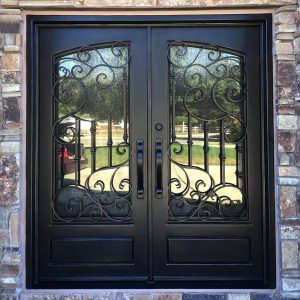
Customization options include panel configuration (number and style of panels), edge profile (beaded, eased, ogee), glass inserts (leaded, frosted, beveled), and hardware preparation (bore holes, mortise locks, hinge placement). For B2B buyers, the critical question is whether the manufacturer can accommodate non-standard dimensions and hardware specifications without a significant lead time extension.
Installation and Maintenance Best Practices
The installation of a classic craft door is not fundamentally different from a standard door, but the weight and material require attention. Solid wood doors in standard sizes can weigh 60-100 lbs (27-45 kg) or more, so hinges must be rated for the door weight, and the jamb must be shimmed and screwed securely at all hinge and strike locations.
For exterior classic craft doors, the maintenance schedule is non-negotiable:
- Annual inspection: Check weatherstripping, threshold seal, and hinge screws.
- Every 2-3 years: Clean and reapply a protective topcoat to exterior surfaces exposed to direct sun and rain.
- Every 5-7 years: Consider a full refinish (strip, sand, and recoat) for exterior doors in harsh climates.
Interior doors require minimal maintenance—occasional cleaning with a damp cloth and touch-up of scuffs with matching paint or stain.
Cost Considerations and Procurement Guidance
The cost of classic craft doors varies more than standard doors because of material, size, finish, and hardware variables. The following ranges reflect typical market conditions for slab doors (no jamb, no hardware) in the U.S. market as of 2026:
| Material | Interior Slab (per door) | Exterior Pre-Hung (per unit) |
|---|---|---|
| Engineered wood, veneer | $150 – $350 | $400 – $700 |
| Solid hardwood (oak/maple) | $300 – $600 | $700 – $1,200 |
| Premium hardwood (mahogany/walnut) | $500 – $1,000 | $1,200 – $2,500 |
| Custom size/design | $800 – $2,500+ | $2,000 – $5,000+ |
These are planning figures, not quotes. The determining factors are wood species availability, panel complexity, glass requirements, and whether the door is pre-hung with a jamb and weatherstripping.
For procurement, the most important step is to provide accurate opening measurements and to confirm the door’s compatibility with local building codes. Energy performance for exterior doors is typically rated by U-factor and air leakage; for colder climates, look for doors with a U-factor of 0.30 or lower. For commercial projects, confirm fire-rating and accessibility compliance before ordering.
How We Meet These Standards
As a manufacturer of custom doors and windows, our approach to classic craft doors is straightforward: we build them to the specifications that matter for your project, not to a generic standard. Our factory produces solid wood doors and thermal-break aluminum systems, and we supply directly to contractors, distributors, and construction projects. Because there is no middleman markup, the pricing reflects the factory cost structure, which matters when you are specifying multiple doors for a single build.
We offer full customization on size, panel layout, glass, and hardware. If your project requires a non-standard width or a specific lock prep, we adjust the profile structure and fittings to match the local building codes of your target market. For international buyers, we provide the full export documentation—packing list, proforma invoice, and customs paperwork—and can ship via FCL or LCL depending on your order volume.
Before shipment, every door undergoes air-tightness, water-tightness, and wind-resistance testing where applicable. This is particularly relevant for exterior doors, where performance claims need to be verified rather than assumed. If you are sourcing for a project and need to confirm that the doors will meet your specification, send us your drawings and we will confirm the build details and timeline.
Frequently Asked Questions
How do classic craft doors compare to standard doors?
Classic craft doors use thicker materials, more substantial joinery, and allow for on-site customization (trimming, finishing, hardware changes). Standard doors are typically hollow-core or thin-panel constructions designed for low cost and quick installation. The classic craft door will weigh more, insulate better, and last longer, but it costs more and requires more careful installation.
What is the significance of red doors on homes?
Historically, red doors symbolized hospitality or a paid-off mortgage. In modern design, they serve as a deliberate architectural accent. For classic craft doors, a red finish can be applied as paint, stain, or glaze, but bright reds on exterior doors will require more frequent refinishing due to UV exposure.
Are classic craft doors energy efficient?
For exterior applications, energy efficiency depends on the core material, glass type, and weatherstripping. Solid wood doors provide reasonable insulation but are outperformed by insulated fiberglass or steel units in extreme climates. If energy performance is the priority, specify a door with a low U-factor and double or triple glazing. For interior doors, the solid construction provides sound insulation, which is often the more relevant metric.
Can classic craft doors be customized to non-standard sizes?
Yes. The manufacturing process for craft doors allows for custom dimensions, typically in 1/8-inch increments. Provide the exact rough opening or finished opening size, and the door can be built to fit. For pre-hung units, ensure the jamb width matches the wall thickness.