Last updated: September 17, 2026
How this applies to sourcing. The categories above are the same ones factories work with every day, and the cost logic is the same on the production side: standard sizes, standard profiles, and standard mesh produce the lowest unit cost, while custom sizing, premium mesh, and retractable hardware add both cost and lead time.
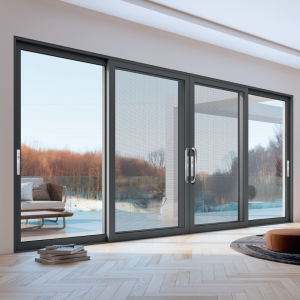
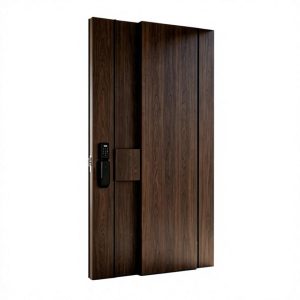
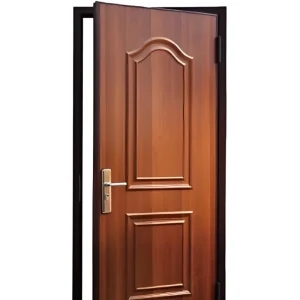
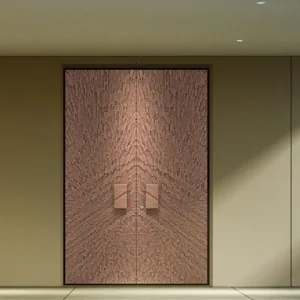
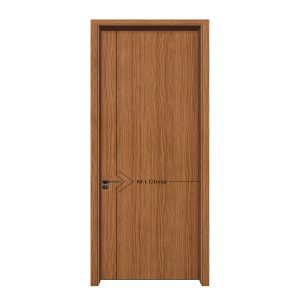
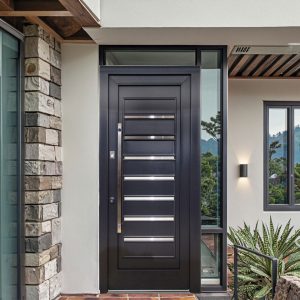
As a manufacturer, our approach is to keep the specification adjustable rather than fixed. We supply solid wood doors, thermal-break aluminum doors and windows, system windows, casement and sliding doors, custom villa doors and windows, sunrooms, and aluminum alloy entrance doors, and we build screen door configurations into those systems on request. Profile structure and fittings can be adjusted to match the building codes of the target market, which matters when a single project ships to more than one region.
For buyers comparing options, three things tend to decide the order. First, customization — size, color, glass, and hardware accessories are all open to specification, so a 30×78 or 36×76 unit and a custom tall frame can be quoted together. Second, inspection — we run air-tightness, water-tightness, and wind resistance tests before shipment, and the reports travel with the order. Third, documentation and logistics — packing list, proforma invoice, and full customs documents are standard, and we ship both FCL and LCL direct from the factory.
If you are comparing screen door configurations for a project or a distribution program, send your opening schedule and target specification. We will confirm what can be built to standard tooling, what needs custom tooling, and where the cost actually sits.