12 min read
Best Material for Windows: A B2B Guide to Durability, Cost, and Supply
When a project spec calls for windows, the material choice is rarely a simple aesthetic decision. For contractors, architects, and developers, the selection between aluminum, wood, and uPVC determines thermal performance, structural integrity, maintenance liability, and—critically—the reliability of your supply chain. A delayed window shipment stalls an entire build; a material that fails in year three becomes a warranty nightmare.
As a manufacturer with over two decades in solid wood processing and aluminum window fabrication, we evaluate materials from the factory floor outward. We see the raw billets, the kiln-dried timber, and the extrusion dies before they become finished products. Based on that experience, we know the “best” material is the one that meets your project’s structural demands and environmental context—but for high-end and custom builds, aluminum and solid wood composites consistently deliver superior lifecycle value.
Why the “Best Material for Windows” Depends on Your Project Specification
There is no universally perfect window material. The right choice depends on factors that vary significantly across projects: window-to-wall ratios, local climate, acoustic requirements, and wind load calculations. A high-rise curtain wall demands different properties than a coastal villa or a heritage renovation.
Performance Metrics That Matter for B2B Buyers
Before comparing materials, you need to define the performance metrics that matter. For most commercial and residential projects, these are:
- U-value (thermal transmittance): Measures heat loss through the window. Lower is better for energy efficiency and occupant comfort.
- Air infiltration (leakage): The amount of air passing through the assembly. Tighter seals prevent drafts and energy loss.
- Water tightness: Resistance to water penetration under wind-driven rain. This is critical in storm-prone or coastal regions.
- Structural wind load resistance: The frame’s ability to withstand pressure without deformation.
Our in-house engineering team works with global clients to select materials that meet specific local building codes and energy standards. We routinely review project specifications against these metrics, providing technical guidance that prevents costly specification errors. This is not a generic service—it is a direct outcome of our 20+ years of manufacturing experience across diverse climate zones and building types.
The Aesthetic and Architectural Context
Performance metrics matter, but so does visual intent. Modern skyrises typically favor the slim sightlines of aluminum, which allow for larger glass areas and a minimalist appearance. Villa projects, by contrast, often demand the warmth and natural character of solid wood.
As a supplier to villa developers and interior designers, we tailor material recommendations to the architectural style of each project. Our product range spans both aluminum alloy windows and solid wood frames, so we are not locked into pushing one material. We advise based on what will perform best for your specific design and location.
Aluminum Alloy: The Superior Choice for Structural Integrity and Slim Profiles
For commercial buildings and contemporary residential projects, aluminum is our most recommended material. Its strength-to-weight ratio is exceptional, allowing for larger openings and slimmer frames than most alternatives.
Thermal Break Technology and Energy Efficiency
Raw aluminum is a thermal conductor, which historically made it inefficient. Modern aluminum windows solve this problem with thermal break technology: a polyamide strip is inserted between the interior and exterior aluminum profiles, interrupting the heat transfer path.
This is where manufacturing precision matters. A poorly assembled thermal break compromises the entire window’s energy performance. Our aluminum processing workshops use precision machinery to assemble these complex profiles, ensuring the polyamide strips seat correctly and maintain a tight seal over years of thermal cycling. The result is an aluminum window that meets modern energy codes without sacrificing structural strength.
Customization and Color Flexibility (Powder Coating)
Aluminum offers unmatched flexibility in finish. Powder coating and anodizing allow for virtually unlimited color options, including precise RAL and NCS matches. This is crucial for architects who specify exact color chips for building facades.
Our OEM & ODM customization service extends to finishes. We can match specific color codes, apply textured coatings, or create dual-tone profiles (different colors inside and out). For large-scale facade projects, this capability ensures visual consistency across hundreds of windows—something that becomes a logistical challenge with lesser suppliers.
Recyclability and Lifecycle Cost
For developers pursuing green building certifications like LEED, aluminum is a strong choice. It is infinitely recyclable without degradation in quality. Nearly 75% of all aluminum ever produced is still in use today [1]. Our production process minimizes waste through efficient cutting and offcut recycling, making us a responsible partner for sustainable construction projects.
From a lifecycle cost perspective, aluminum windows typically require minimal maintenance—just occasional cleaning and hardware checks—and have a service life of 40-50 years when properly specified [2].
Solid Wood Windows: Unmatched Luxury and Natural Insulation for Villa Projects
While aluminum dominates commercial applications, solid wood remains the preferred choice for high-end residential and heritage projects. Wood offers a warmth and natural beauty that synthetic materials cannot replicate.
The Superior Thermal Performance of Timber
Wood is a naturally insulating material. The cellular structure of timber traps air, providing thermal performance that outperforms many synthetic materials. A well-constructed solid wood window frame can achieve U-values comparable to aluminum with thermal breaks, without the need for additional insulation components.
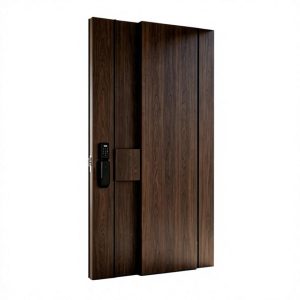
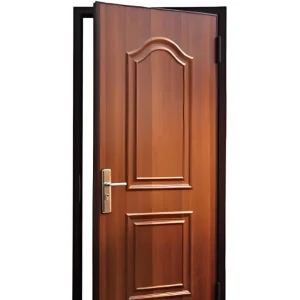
Our solid wood entry doors and window frames use hardwoods selected for dimensional stability and natural resistance to warping. We source timber that is appropriate for the application, considering factors like grain structure and moisture content.
The Importance of Wood Drying and Treatment
The biggest risk with wood windows is moisture. If timber is not properly dried and treated, it will twist, crack, or rot within a few years. This is why we operate our own wood drying and spray finishing workshops.
Kiln drying is not a simple process. The wood must be brought to a specific moisture content (typically 8-12% for interior applications) slowly and evenly to prevent internal stresses. Our drying schedules are refined over two decades of experience. After drying, we apply multiple coats of finish in our controlled spray booths, ensuring even coverage and proper curing. This level of control over the moisture and finishing process is what prevents field failures—a critical factor for long-term durability.
Aluminum-Clad Wood (Hybrid Solutions)
For clients who want the best of both worlds, we offer aluminum-clad wood windows. This hybrid solution places solid wood on the interior for beauty and warmth, with an aluminum shell on the exterior for zero-maintenance weather resistance.
Our factory is fully equipped to produce these complex hybrid units. The aluminum cladding is mechanically attached to the wood core, allowing for natural movement while providing a complete weather barrier. For luxury villa developers, this represents the premium solution: the aesthetic appeal of wood where it matters, and the durability of aluminum where it counts.
uPVC vs. Aluminum vs. Wood: A Direct Comparison for Bulk Supply
Procurement managers need quick, decisive information. Here is a direct comparison of the three primary window materials for bulk projects:
| Property | uPVC | Aluminum | Solid Wood |
|---|---|---|---|
| Structural Strength | Moderate; requires reinforcement for large spans | Excellent; high strength-to-weight ratio | Good; depends on species and construction |
| Thermal Performance | Good; inherent insulation, but limited by profile design | Excellent with thermal break; poor without | Excellent; natural insulation |
| Color Options | Limited; typically white or wood-grain laminate | Unlimited; powder coating in any RAL/NCS color | Natural wood tones; can be stained or painted |
| Maintenance | Low; occasional cleaning | Low; powder coating is durable | High; requires periodic refinishing |
| Lifespan | 20-30 years; becomes brittle with UV exposure | 40-50+ years; corrosion-resistant when coated | 50+ years when properly maintained |
| Recyclability | Difficult; limited recycling streams | Infinitely recyclable | Biodegradable; can be repurposed |
| Cost (Installed) | Lowest upfront | Moderate to high | Highest |
| Best Application | Budget residential | Commercial, high-rise, modern residential | Luxury residential, heritage projects |
Structural Strength and Span Capabilities
uPVC is limited in both color options and structural rigidity. For large openings—think floor-to-ceiling windows or sliding panels—uPVC requires internal steel reinforcement, which adds cost and weight while still limiting maximum spans. Aluminum and wood offer higher strength-to-weight ratios, allowing for larger glass areas with slimmer frames.
Our engineering support team reviews shop drawings to determine the optimal material for large-span windows. In many cases, we recommend aluminum for spans exceeding 2 meters where uPVC would require excessive reinforcement, compromising both aesthetics and cost-effectiveness.
Maintenance and Longevity in Different Climates
Climate is a decisive factor. Coastal environments with salt-laden air will corrode untreated steel and degrade low-quality coatings. Aluminum with marine-grade powder coating resists salt corrosion effectively. Extreme cold demands excellent thermal performance to prevent condensation and ice buildup—a scenario where wood and thermally broken aluminum excel.
As a global supplier, we ship to diverse climate zones. We advise partners on the best material for their specific geographic region, drawing on our experience with projects in coastal Southeast Asia, alpine Europe, and arid Middle East markets.
Cost vs. Value Analysis
uPVC is undeniably cheaper upfront. However, for high-end projects, the long-term value of aluminum and wood is compelling. Property value increases with quality fenestration. Replacement cycles are longer, reducing lifecycle costs. And the aesthetic difference is immediately apparent to buyers.
Our flexible MOQs allow buyers to source premium materials without overcommitting inventory capital. We understand that contractors need to manage cash flow; our production planning accommodates phased deliveries, so you can order for specific project stages rather than warehousing everything at once.
Our Manufacturing Capabilities: Ensuring Quality Control From Raw Material to Finish
The difference between a “fabricator” and a “manufacturer” is significant. Fabricators assemble components from third-party suppliers. Manufacturers control the entire production chain. We are the latter.
In-House Workshops vs. Outsourced Assembly
We operate our own wood drying, spray finishing, and aluminum processing workshops. This vertical integration means we control the timeline and quality at every step. There is no dependency on external suppliers for critical processes.
When we receive aluminum profiles, they are cut, machined, and assembled in our own facility. When we receive timber, it goes through our own drying kilns. This control eliminates the variability that comes from outsourcing. We know exactly what is in every window we ship because we made every component.
Engineering Support and Custom Shop Drawings
Our experienced in-house design and engineering team provides customized shop drawings within 24 hours of receiving your inquiry. This is critical for contractors who need to validate fit and interface with other building systems before placing a bulk order.
The engineering team reviews your project specifications, identifies potential issues, and proposes solutions before production begins. This upfront collaboration prevents costly field modifications later. For complex projects—curved profiles, unusual angles, or integrated shading systems—this engineering support is invaluable.
Packaging and Logistics for Global Shipping
Shipping windows internationally carries inherent risk. Glass breaks. Frames get scratched. We address this with comprehensive packaging and logistics protocols.
Each window is individually wrapped with protective film. Frames are braced within wooden crates to prevent movement during transit. We use shock-absorbing materials in critical areas. And our after-sales support includes shipping damage protection—if a product arrives damaged, we work with you on replacement, minimizing on-site installation delays.
How to Partner with Our Factory: OEM, ODM, and Bulk Supply
Understanding what we make is important; understanding how to buy from us is equally critical. Here is how our partnership model works.
Private Label and Custom Branding
Retail dealers and distributors can leverage our Private Label service to establish their own brand identity. We manufacture windows to your specifications, apply your branding, and ship directly to your customers. This allows you to offer high-quality products without investing in manufacturing infrastructure.
Streamlined Procurement with Flexible MOQs
Our flexible MOQs set us apart from manufacturers who demand massive minimum orders. We work with projects of varying scales, from boutique residential developments to large commercial complexes. Our production planning accommodates both, ensuring you can source premium materials without overcommitting inventory capital.
For construction project bulk supply, we have the capacity to handle large volumes without sacrificing quality. Our production scheduling is transparent—we provide detailed timelines so you can plan installations with confidence.
The 24-Hour Quotation Process
Working with us is straightforward:
- Send your drawings or specifications through our contact page.
- Our engineering team reviews your requirements.
- You receive a formal quotation and shop drawing within 24 hours.
This rapid response accelerates your procurement cycle. You can make informed decisions quickly, without waiting weeks for a supplier to respond. Contact Our Team to discuss your current project requirements.
Frequently Asked Questions
What is the most durable material for windows for a coastal villa project?
For coastal environments, we recommend marine-grade aluminum alloy with specialized powder coating. The coating is formulated to resist salt corrosion, which is the primary threat in coastal climates. We have supplied windows to coastal projects in Southeast Asia and the Middle East, where salt-laden air and high humidity are constant challenges. The aluminum frames, combined with proper drainage systems in the profile design, provide decades of reliable service.
Can you match the specific color codes required by our architect?
Yes. Our spray finishing workshop supports custom color matching for all aluminum profiles and wood finishes. We work with RAL, NCS, and custom color chips. For large facade projects, we can produce a sample panel for approval before bulk production begins. This ensures color consistency across the entire order.
How does the thermal break system work in your aluminum windows?
The thermal break is a polyamide strip inserted between the interior and exterior aluminum profiles. This strip interrupts the thermal bridge, preventing heat from conducting directly through the frame. Our precision machinery ensures the strips are inserted correctly and maintain a tight seal. This is critical for energy efficiency and prevents condensation on interior surfaces during cold weather.
What is the typical lead time for a bulk order of custom aluminum windows?
Lead times vary based on order volume and customization level. However, our fast production lead times are a key advantage. We provide a detailed production schedule upon quotation, so you know exactly when to expect delivery. For standard profiles with minimal customization, production can be completed in weeks, not months. We also offer phased delivery to align with your construction schedule.
Do you offer technical installation guidance for contractors?
Yes. Our engineering team provides detailed shop drawings and installation guidelines. These documents specify proper installation techniques, including anchoring methods, sealant application, and drainage considerations. This ensures the windows perform as designed once installed. For complex projects, we can arrange virtual consultations to walk through installation details with your site team.
Decision Guide: Choosing the Right Material for Your Project
Choose Aluminum if:
- Your project requires large spans with slim sightlines
- You need specific color matching for architectural facades
- The building is in a coastal or industrial environment requiring corrosion resistance
- You prioritize low maintenance and long-term durability
- Sustainability certifications like LEED are a project requirement
Choose Solid Wood if:
- The project is a luxury villa, heritage restoration, or high-end residential
- Natural aesthetics and warmth are non-negotiable design elements
- You want superior natural insulation properties
- The client values authenticity and is willing to invest in periodic maintenance
- You are working with an interior designer who specifies wood finishes
Choose Aluminum-Clad Wood if:
- You want the interior beauty of wood with the exterior durability of aluminum
- The project budget supports premium hybrid solutions
- You need zero-maintenance exterior performance without compromising interior warmth
- The building is in a climate with extreme weather variations
Conclusion
The “best material for windows” is not a universal answer—it is a strategic decision based on project needs, climate, and budget. For high-end performance, our aluminum and solid wood solutions consistently deliver superior lifecycle value.
Our strength lies in our 20+ years of experience, our in-house processing capabilities, and our OEM/ODM flexibility. We are not a trading company reselling third-party products; we are a manufacturer with complete control over quality, timeline, and cost.
When you partner with us, you gain a technical advisor who helps you avoid costly specification errors. You gain a production partner who delivers on schedule. And you gain a long-term supplier who stands behind every product we ship.
Ready to discuss your project requirements? Get a Free Custom Quote
References
[1] The Aluminum Association. “Infinitely Recyclable Aluminum.” https://www.aluminum.org/industries/production/recycling
[2] Efficient Windows Collaborative. “Window Frame Materials Guide.” https://efficientwindows.org/frame-types
[3] American Architectural Manufacturers Association (AAMA). “Window Performance Standards.” https://aamanet.org/TechnicalResources
[4] Wood Window Alliance. “Thermal Performance of Timber Windows.” https://www.woodwindowalliance.com/technical/thermal-performance