Core Conclusion: The Best Exterior Door Brands at a Glance
For B2B buyers, the “best” exterior door brand depends on the performance requirements of your specific project, not on brand prestige alone. After evaluating material performance, manufacturing standards, and cost-per-year value, the strongest options fall into three tiers:
For cold climates and energy efficiency, fiberglass doors from major manufacturers like Therma-Tru and Andersen lead the market due to their low thermal conductivity and resistance to warping. For high-security or budget-conscious commercial projects, steel doors from Masonite or Jeld-Wen offer the highest strength-to-cost ratio. For premium residential or architectural projects, aluminum and solid wood systems—particularly from specialized manufacturers—deliver the best design flexibility and structural performance.
The key distinction in 2026 is no longer just material, but manufacturing precision. The best exterior door brands now compete on air-tightness ratings, thermal break technology, and compliance with increasingly strict building codes across North America and Europe.
Material Breakdown: Which Type of Exterior Door Wins?
The material choice determines nearly every performance attribute of an exterior door: insulation, security, durability, maintenance, and cost. Here is how the four main types compare in practice.
Wood: The Aesthetic Standard with Higher Maintenance
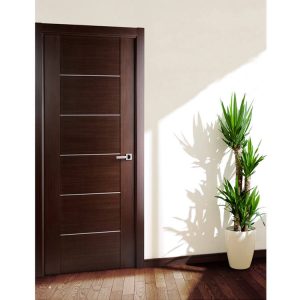
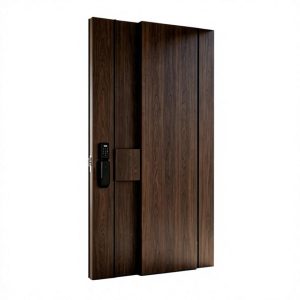
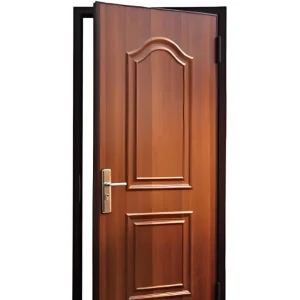
Wood remains the preferred choice for high-end residential and historic restoration projects. Solid wood doors offer the best acoustic insulation and an unmatched natural aesthetic that can be refinished over time. However, wood is the most maintenance-intensive option. It expands and contracts with humidity changes, requiring periodic refinishing to prevent warping and water damage.
For B2B buyers, wood is a strong choice when the project demands architectural authenticity and the client accepts a maintenance schedule. The best exterior wooden doors use engineered cores—laminated veneer lumber or stave-core construction—to minimize dimensional instability while maintaining a real wood surface.
Steel: The Security and Value Option
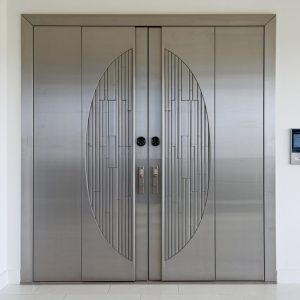
Steel doors are the standard for commercial applications and budget-conscious residential projects. A 24-gauge steel skin over an insulated core provides excellent security and impact resistance. Steel is also the most affordable material per square foot when considering the performance delivered.
The trade-off is thermal performance and dent resistance. Steel conducts heat and cold rapidly, which is why modern steel doors require a thermal break—a non-metallic separator between the interior and exterior skins. In coastal environments, steel is prone to rust if the galvanized coating is scratched. For rental properties, high-traffic commercial entrances, or projects where security is the primary concern, steel remains the pragmatic choice.
Fiberglass: The Climate Champion
Fiberglass has become the fastest-growing material category in exterior doors because it solves the core problems of both wood and steel. A fiberglass door does not warp, rot, or dent. It can be manufactured with wood-grain textures that are nearly indistinguishable from real wood, and it can be painted or stained.
Most importantly for cold climates, fiberglass has a much lower thermal conductivity than steel. A quality fiberglass door with a polyurethane foam core can achieve U-factors below 0.20, which means less heat loss and no condensation on the interior surface. The main drawback is cost—fiberglass is priced between steel and premium wood—and the fact that a deep impact can crack the skin, requiring replacement rather than repair.
Aluminum: The Engineering Choice for Modern Architecture
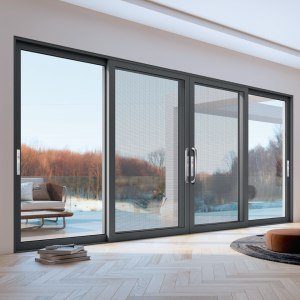
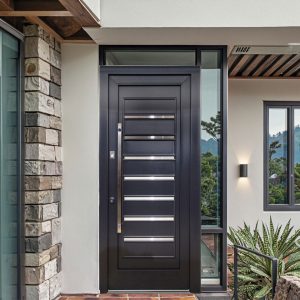
Aluminum is increasingly specified for modern architectural projects because it offers the thinnest sightlines, the largest panel sizes, and the most precise manufacturing tolerances. Thermally broken aluminum doors—where a polyamide strip separates the interior and exterior aluminum profiles—can achieve thermal performance comparable to fiberglass while offering superior structural rigidity.
Aluminum is the best choice for oversized doors, pivot doors, and projects where wind load resistance is critical, such as coastal or high-rise applications. The material is fully recyclable and requires minimal maintenance. The cost is typically higher than steel and comparable to premium fiberglass, but the design possibilities are unmatched.
Top Exterior Door Brands Compared
The following comparison reflects our evaluation of manufacturing consistency, performance data, and suitability for different project types. Brands are rated on the criteria that matter most to buyers: thermal performance, security, durability, and value.
| Brand | Material Focus | Best For | Key Strength | Watch Out For |
|---|---|---|---|---|
| Therma-Tru | Fiberglass, Steel | Cold climates, residential | Best-in-class fiberglass insulation ratings | Premium pricing on fiberglass lines |
| Masonite | Steel, Fiberglass | Commercial, budget projects | Excellent security features, competitive pricing | Steel lines can dent in high-traffic use |
| Andersen | Wood, Fiberglass | Premium residential | Strong warranty, established brand reputation | Higher cost, longer lead times |
| Jeld-Wen | Wood, Steel, Fiberglass | Production homebuilding | Broad product range, consistent quality | Limited customization on standard lines |
| Jusen | Aluminum, Wood | Custom architectural projects | Factory-direct pricing, full customization, thermal-break engineering | Less established in North American residential market |
| Pella | Wood, Fiberglass | Energy-efficient homes | Strong NFRC ratings, integrated blinds options | Expensive for the performance delivered |
This table presents the landscape as of 2026. The notable shift is that factory-direct manufacturers like Jusen are increasingly competitive on aluminum and custom wood systems because they eliminate the distribution markup that established brands carry.
Best Exterior Doors for Cold Weather and Cold Climates
Cold climate performance is determined by three measurable factors: U-factor (how much heat transfers through the door), condensation resistance, and air infiltration rate. For buyers specifying doors for northern states, Canada, or northern Europe, these are the criteria to prioritize.
U-factor targets: For ENERGY STAR certification in cold climates, a door should achieve a U-factor of 0.30 or lower. Fiberglass and thermally broken aluminum doors with polyurethane foam cores are the only materials that consistently achieve this without additional storm door protection.
Air-tightness: A door can have excellent insulation but still lose heat through air leaks around the frame. Look for doors tested to air infiltration standards of 0.3 cfm/ft² or lower. This is where manufacturing precision matters—a door with precise frame tolerances and quality weatherstripping will outperform a thicker door with poor seals.
Condensation resistance: This is a practical concern that many buyers overlook. A steel door in a cold climate will develop condensation on the interior surface when the interior humidity is high, leading to paint failure and potential mold issues. Fiberglass and aluminum with thermal breaks eliminate this problem.
For extreme cold climates, consider a door with a double or triple glazed glass option and check whether the manufacturer uses warm-edge spacer systems in the glazing. These details affect performance more than the door material itself.
How to Choose the Best Exterior Door Company
The brand matters less than the manufacturing capability and quality control behind it. For B2B buyers, the evaluation criteria should be rigorous and practical.
Certification and testing: The best exterior door companies test their products to recognized standards. Look for documentation of air-tightness testing, water-tightness testing, and wind resistance testing per ASTM or EN standards. A manufacturer that cannot provide test data for its specific door models is a risk.
Customization capability: Standard sizes cover most projects, but the best door companies can produce custom sizes, integrate specific hardware, and adjust profile structures to meet local building codes. This is particularly important for non-standard openings and architectural projects.
Supply chain reliability: For construction projects, on-time delivery is critical. Evaluate the manufacturer’s production capacity, lead times, and experience with international shipping. A factory-direct manufacturer with FCL and LCL shipping options provides more flexibility than a brand that only ships through distributors.
Cost transparency: The best value is not the lowest price—it is the lowest cost per year of service life. A $2,000 door that lasts 30 years with minimal maintenance is cheaper than a $1,200 door that needs replacement in 10 years. Ask manufacturers for lifecycle cost data and warranty terms before comparing price tags.
Additional Considerations: Sizes, Wood Options, and More
Non-Standard Sizes: The 76×32 Exterior Door
A 76×32 exterior door is a non-standard size that requires custom manufacturing. These dimensions are sometimes specified for narrow entryways, secondary exits, or accessibility upgrades. When sourcing a door in this size, confirm the manufacturer can produce the door slab and frame as a matched set. A door slab without a matching frame is a common source of installation problems and air leakage.
Custom sizes typically add 10-20% to the door cost and extend lead times by 1-3 weeks. For a 76×32 door, the material choice narrows to fiberglass or aluminum, because wood and steel in these proportions may lack structural rigidity over the height.
Wooden Exterior Doors: Still a Good Option?
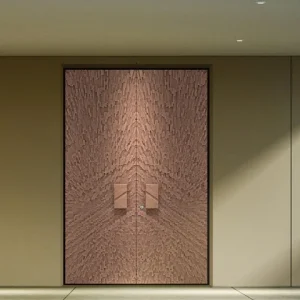
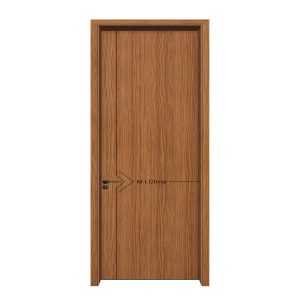
Wooden exterior doors remain an excellent option for projects where aesthetics are the priority. The best exterior door brands that specialize in wood use engineered cores and vacuum-pressed veneers to improve dimensional stability. A well-made wooden door with proper overhangs and finishing can last 30-50 years.
The key is specifying the right wood species and core construction. Species like mahogany, white oak, and Accoya (acetylated radiata pine) offer the best stability-to-cost ratios. Avoid hollow-core wood doors for exterior applications—they offer no insulation value and are prone to warping.
Matching the Door to the Application
The decision framework is straightforward when you match the door type to the project scenario:
Choose fiberglass if the project is in a cold climate, the door faces direct sun exposure, or the client wants the look of wood without the maintenance.
Choose steel if the project is commercial, budget-constrained, or security is the primary concern.
Choose aluminum if the project requires oversized doors, modern aesthetics, or wind-load resistance for coastal or high-rise locations.
Choose wood if the project is high-end residential, historic restoration, or acoustic performance is critical.
Final Recommendations and How to Get a Quote
The best exterior door brands in 2026 are those that combine material expertise with manufacturing precision. For most projects, fiberglass from established brands like Therma-Tru or Masonite provides the safest balance of performance and value. For cold climate projects, prioritize U-factor and air-tightness data over brand reputation. For custom architectural work, factory-direct manufacturers offer advantages in pricing and flexibility that traditional brands cannot match.
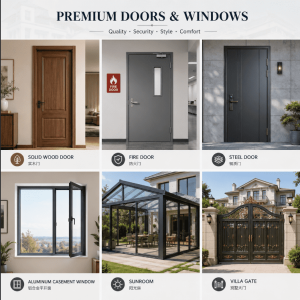
As a manufacturer of solid wood, thermal-break aluminum, and system windows and doors, here is how we meet these standards at Jusen. We produce every door to order with full customization on size, color, glass, and hardware. Our pre-shipment inspection includes air-tightness, water-tightness, and wind resistance testing on every production batch, and our adjustable profile structures are engineered to comply with local building codes across different markets.
For B2B buyers, our value proposition is straightforward: factory-direct pricing without middleman markup, full customs documentation, and flexible FCL or LCL shipping. Whether you need a custom 76×32 door, a thermally broken aluminum system for a coastal project, or a solid wood entry door for a luxury residence, we can produce it to your specifications.
Contact our team with your project dimensions and performance requirements to get a detailed quote and lead time. We can also provide test data and samples for your evaluation.