11 min read
Aluminum Windows Maintenance: A Manufacturer’s Guide for Contractors, Architects, and Dealers
How long should a high-quality aluminum window system last? Thirty years? Fifty? The honest answer depends less on the extrusion quality and more on what happens after installation. We have seen our own aluminum windows, supplied to villa projects across different climate zones, perform flawlessly for decades when cared for properly—and we have seen identical systems fail prematurely when neglected.
This guide comes from our perspective as a manufacturer, not a third-party blogger. At Jusen Doors & Windows Manufacturing Co., Ltd., we have spent over 20 years designing, extruding, and assembling aluminum window systems in our own workshops. We have collected years of field data on what breaks, what wears out, and what simply needs a bit of attention. Our goal here is to share that knowledge with the contractors, architects, and dealers who specify and install our products—so you can protect your clients’ investments and reduce costly callbacks.
Why Aluminum Windows Need a Different Maintenance Approach Than Other Materials
Aluminum is not wood, and it is not uPVC. It does not rot, warp, or fade the way organic materials do. But it has its own set of maintenance requirements that stem directly from how modern aluminum windows are engineered.
The Science of the Frame: Thermal Breaks and Coated Finishes
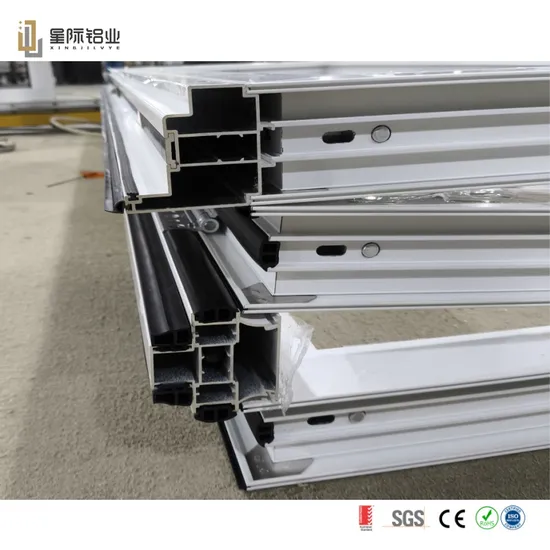
A modern aluminum window frame is not a simple metal extrusion. In our factory, we produce thermally broken profiles—two separate aluminum sections joined by a polyamide strip that interrupts the flow of heat and cold. This design dramatically improves energy efficiency, but it also introduces a junction point that must remain structurally sound.
The exterior finish—typically powder coating or anodizing—is another critical layer. Our in-house spray finishing workshop applies coatings that resist UV fading and corrosion. But here is the reality: even the best powder coating will degrade prematurely if salt, pollutants, and dirt are allowed to accumulate and bond to the surface. We tell our partners: the finish is durable, not invincible. Routine washing is not about aesthetics; it is about preserving the protective layer that keeps moisture away from the aluminum substrate.
Hardware and Moving Parts: The Most Vulnerable Points
Ask any service technician what fails first on an aluminum window, and the answer will be hardware. Friction hinges, multi-point locks, and sliding rollers endure thousands of cycles. Each opening and closing creates wear. Without proper lubrication, metal-on-metal contact accelerates this wear dramatically.
At Jusen, we supply our window systems with robust, branded hardware. We select hinges and locks rated for high-cycle use. But we also advise our B2B partners on a simple truth: hardware needs annual attention. A thirty-second lubrication routine can extend the life of a friction hinge from five years to twenty.
The Cost of Neglect vs. The Cost of Routine Care
Let us put this in financial terms for facility managers and developers. A sealed insulating glass unit that fails due to seal degradation costs several hundred dollars to replace. A damaged sash that drops due to a worn hinge costs even more. Compare that to the cost of a maintenance visit: a technician spending thirty minutes cleaning tracks, lubricating hardware, and checking seals.
| Maintenance Action | Approximate Cost | Potential Failure if Ignored | Replacement Cost |
|---|---|---|---|
| Annual hardware lubrication | $10–20 (labor) | Hinge failure, sash drop | $150–400 per sash |
| Frame and glass cleaning (2x/year) | $50–100 (labor) | Coating degradation, corrosion | $500+ per frame |
| Weather seal inspection | $5 (labor) | Water ingress, drafts | $200–600 per window |
| Drainage channel clearing | $0 (DIY) | Internal flooding, frame damage | $800+ per unit |
With over two decades in this industry, we have seen the long-term consequences of deferred maintenance on otherwise excellent products. The data is clear: proactive care is not an expense—it is an investment that protects the building envelope.
The Essential Aluminum Windows Maintenance Checklist (For Contractors & Facility Managers)
We have developed this checklist based on our own quality control protocols and the feedback we receive from installation crews worldwide. It is designed to be practical, not theoretical.
Cleaning the Frames and Glass: What to Use and What to Avoid
The Approved Method:
- Use a soft cloth or sponge with warm water and a pH-neutral detergent (dish soap works well).
- Rinse thoroughly with clean water to remove soap residue.
- Dry with a squeegee or lint-free cloth to prevent water spots.
The Critical Warnings:
- Never use abrasive pads or scouring powders. They will scratch the powder coating.
- Avoid alkaline or acidic cleaners. These can chemically attack the coating and the thermal break material.
- Do not use a pressure washer. The high-pressure spray can force water past the weather seals and into the frame cavity, where it can cause hidden corrosion.
Our factory finishes are tested for durability, but using harsh chemicals can void the finish warranty. We provide these specific guidelines to our retail dealers to pass on to end-users, ensuring that the product we manufacture performs as designed.
Lubrication and Tension Adjustments for Hardware
This is the single most effective maintenance task you can perform. Here is our recommended procedure:
- Clean the hardware with a dry cloth to remove dust and old grease.
- Apply a silicone-based lubricant (spray or grease) to:
– Friction hinge arms (both the sliding channel and the pivot point)
– Lock cylinders (insert the spray nozzle and apply a short burst)
– Rollers on sliding windows (locate the adjustment screws and the wheel track)
- Operate the window several times to distribute the lubricant.
- Wipe off any excess to prevent dust accumulation.
A note on lubricant type: Silicone-based products are safe for all surfaces. Oil-based products attract dust and will create a gritty paste that accelerates wear. We strongly recommend against WD-40 for this purpose—it is a solvent, not a lubricant, and will wash away existing grease.
Our in-house design and engineering team provides detailed shop drawings and maintenance manuals for our OEM/ODM clients. These documents specify the exact lubrication points and the correct tension settings for the hardware we supply. This ensures that your installation crews know precisely how to adjust the window, reducing the risk of over-tightening or misalignment.
Inspecting Weather Seals and Drainage Systems
Weather seals (EPDM gaskets) are the first line of defense against air and water infiltration. Over time, they can shrink, crack, or become displaced.
Your inspection checklist:
- Run a finger along the gasket where the sash meets the frame. It should feel firm and springy, not hard or brittle.
- Look for gaps at the corners where gaskets are joined.
- Check that the gasket is seated fully in its groove.
The drainage system is equally critical. Every aluminum window frame has small weep holes at the bottom of the sash and frame. These allow condensation and rainwater to escape. If they become blocked with dirt, debris, or insect nests, water will pool inside the frame. In freezing climates, this water can expand and crack the thermal break.
We design our custom aluminum windows with efficient drainage systems—sloped sill tracks and oversized weep holes that resist clogging. But we stress to project partners that these channels must remain clear. A simple check with a pipe cleaner or a blast of compressed air during each maintenance visit is sufficient.
Troubleshooting Common Aluminum Window Issues (And When to Call the Supplier)
Even with perfect maintenance, issues can arise. Here is how to diagnose the most common problems—and when to escalate them to us.
Condensation and Thermal Performance Drops
Interior condensation on aluminum windows is often misunderstood. It is rarely a sign of a faulty window. Condensation forms when warm, humid indoor air meets a cold surface. The glass and frame are the coldest surfaces in the room, so they are the first place moisture appears.
Our recommendation: First, check indoor humidity levels. If they are above 50–60%, address the ventilation issue before blaming the window. For extreme climates, we offer OEM/ODM customization for thermal break profiles and specify the correct glazing (double or triple-pane, low-E coatings) based on the project location. We advise dealers to recommend the right glazing configuration during the specification phase—this prevents condensation issues before they start.
If condensation appears between the panes of glass, that indicates a failed seal in the insulating glass unit. This is a manufacturing defect, and we address it under warranty. Contact us with the project details and we will arrange a replacement.
Sticking Sashes and Misaligned Frames
A sash that suddenly becomes difficult to open is usually caused by one of two things:
- Debris in the track or hinge channel. Clean thoroughly and re-lubricate.
- Building settlement or frame distortion. This is more serious. If the frame has shifted, the sash will bind against it.
Our advice: Check alignment before installation. Our production lead times are fast, but we recommend partners verify that the rough opening is square and level before setting the frame. If a frame arrives damaged from shipping, our after-sales support includes shipping damage protection—we replace it quickly, preventing installation headaches and future alignment issues.
Hardware Failure and Replacement
If a lock feels loose, a handle spins without engaging, or a hinge has visible wear, the hardware needs replacement. Do not attempt to repair a failed mechanism with tape or glue.
The smart approach: Since we manufacture and supply supporting hardware accessories, we can supply replacement parts for our specific window models. This ensures that dealers do not have to source mismatched parts from third-party vendors. A quick call to our team with the window model number gets you the exact replacement component.
How Jusen Supports Your Maintenance Strategy (The OEM/ODM Advantage)
We believe a window manufacturer’s responsibility does not end at the factory gate. Our support extends to the entire lifecycle of the product.
Providing Spare Parts and “Hardware Kits” for Dealers
For large villa projects or multi-unit developments, we bundle spare parts with bulk shipments. Each kit includes:
- Extra screws and fixings
- Spare weather seals (cut to length)
- Replacement rollers for sliding windows
- A small tube of silicone lubricant
We can private label these maintenance kits, allowing dealers to sell them as their own premium service add-on. This creates a new revenue stream for you while ensuring your clients use the correct parts.
Documentation and Technical Support for Your Crews
We do not just sell windows; we sell knowledge. Our engineering team provides customized shop drawings and installation guides within 24 hours of request. These documents cover:
- Correct torque specifications for frame fixing screws
- Proper shimming and leveling procedures
- Hardware adjustment ranges
- Glazing installation guidelines
This level of detail ensures that the installation crew sets the window correctly the first time, reducing the frequency of future maintenance calls.
The “Build It Right” Philosophy for Reducing Maintenance
The best maintenance is prevention. Because we operate our own aluminum processing workshops, we control the tolerances on every profile. Our CNC machining centers cut miters and drill drainage holes with precision. We test every window for air and water infiltration before it leaves the factory.
This strict quality control, from raw materials to final production, minimizes the “infant mortality” of components. Sashes fit perfectly from day one, which drastically reduces the need for adjustments later. When you specify Jusen, you are specifying a window designed to require less maintenance over its lifetime.
Frequently Asked Questions
Q: How often should aluminum windows be cleaned in a coastal environment?
A: Coastal environments present a unique challenge. Salt-laden air is highly corrosive. We recommend cleaning aluminum windows in coastal areas at least four times per year, compared to twice a year for inland locations. Pay special attention to rinsing the frames with fresh water to remove salt residue. Our anti-corrosion powder coatings provide excellent protection, but they work best when kept clean.
Q: Can we use a pressure washer to clean the windows?
A: No. We strongly advise against using a pressure washer on aluminum windows. The high-pressure spray can force water past the weather seals and into the frame cavity, where it can cause hidden corrosion. It can also damage the sealant around the glass. Manual washing with a soft cloth, sponge, or a low-pressure hose is the safest method.
Q: What type of lubricant is safe for the locks?
A: Use only silicone-based lubricants. These are non-reactive, do not attract dust, and are safe for all metal, plastic, and rubber components. Avoid oil-based products like WD-40, which will dissolve existing grease and leave a sticky residue that attracts dirt and accelerates wear.
Q: Do you provide maintenance instructions in multiple languages for our international projects?
A: Yes. As an OEM/ODM manufacturer serving global markets, we provide documentation support in multiple languages. We can supply maintenance manuals, installation guides, and spare parts lists in the language required for your project, ensuring that local crews and facility managers have clear instructions.
Q: If a window is damaged during transport, what is the process?
A: We understand that shipping damage can happen. Our after-sales support includes shipping damage protection. If a frame arrives bent or a glass unit is cracked, document the damage with photos and contact us immediately. We will process a replacement quickly, ensuring your installation schedule is not delayed.
Choosing the Right Maintenance Partner
The choice is straightforward:
Choose a local general contractor if you need routine cleaning and lubrication services for a small number of windows and have no need for manufacturer-level technical support.
Choose Jusen Doors & Windows Manufacturing Co., Ltd. if you are managing large-scale projects, need OEM/ODM customization, require documented maintenance protocols, and want a factory-backed warranty with spare parts availability. Our 20+ years of manufacturing experience, in-house engineering team, and comprehensive after-sales support make us the technical backbone for your projects.
—
At Jusen, we view maintenance as a partnership. We provide the knowledge, the spare parts, and the engineering support. You provide the routine care. Together, we ensure that the aluminum windows we manufacture perform beautifully for decades.
If you have a project in the specification phase, or if you need access to our technical documentation and maintenance manuals, we would like to hear from you. Our team can provide customized shop drawings and formal quotations within 24 hours.
—
References
- American Architectural Manufacturers Association (AAMA). “AAMA 910-21: Voluntary Specification for Life Cycle Testing of Window and Door Hardware.” https://aamanet.org/“>https://aamanet.org/
- National Fenestration Rating Council (NFRC). “Condensation Resistance Ratings Explained.” https://www.nfrc.org/“>https://www.nfrc.org/
- Window & Door Manufacturers Association (WDMA). “Hallmark Certification Program.” https://www.wdma.com/“>https://www.wdma.com/
- U.S. Department of Energy. “Window Types and Technologies.” https://www.energy.gov/energysaver/window-types-and-technologies“>https://www.energy.gov/energysaver/window-types-and-technologies
- International Code Council (ICC). “International Building Code (IBC) – Fenestration Requirements.” https://www.iccsafe.org/“>https://www.iccsafe.org/