11 min read
Aluminum Windows Buying Guide: A Manufacturer’s Perspective on Sourcing for Your Project
When you’re sourcing aluminum windows for a commercial build, a villa development, or a dealer network, you’re not just buying a product—you’re selecting a manufacturing partner. The performance of your building envelope depends on the precision of the extrusion, the integrity of the thermal break, and the quality control behind every weld and seal.
This guide isn’t a generic overview. It’s a walkthrough of what we at Jusen Doors & Windows Manufacturing Co., Ltd. have learned over two decades of producing custom aluminum windows for global contractors, architects, and distributors. We’ll break down the technical decisions, the manufacturing red flags, and the partnership models that determine whether your project succeeds on time and on budget.
—
Understanding the Core Materials: Profiles, Glass, and Hardware
Before you request a quote, you need to understand that an aluminum window is a system of interdependent components. A thin profile with excellent glass will underperform, and premium hardware on a weak frame is a wasted investment. Here’s how we evaluate each element from our factory floor.
The Difference Between Commercial and Custom-Grade Aluminum Profiles
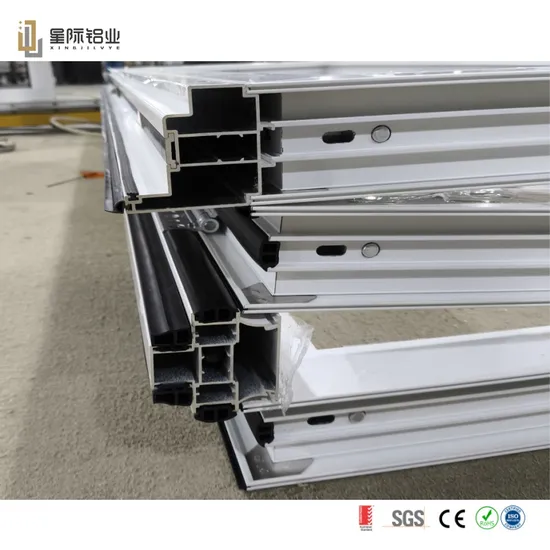
The first thing we check when reviewing a client’s architectural drawings is the specified profile wall thickness. Standard commercial profiles often use a wall thickness of 1.2mm to 1.4mm, which is adequate for low-rise residential applications. However, for high-rise towers, coastal regions with high wind loads, or large-span window walls, we typically recommend upgrading to 1.6mm or even 2.0mm thickness. This isn’t about “heavier is better”—it’s about the moment of inertia required to resist deflection under load.
Our in-house aluminum processing workshop allows us to control this specification precisely. We don’t rely on third-party extrusion suppliers to interpret our drawings. We source the billets, manage the thermal break polyamide strips, and machine the profiles ourselves. This vertical integration ensures that the frame you receive meets the exact load-bearing standards required for your project’s location, not just the minimum code requirement.
Selecting the Right Glass Configuration (Double vs. Triple Glazing)
The glass is where the thermal performance of your window is won or lost. When clients ask us for an “energy-efficient window,” we don’t just default to double glazing. We ask about the project’s climate zone and the building’s orientation.
- U-value (Thermal Transmittance): This measures how much heat escapes through the glass. For cold climates, you’ll want a U-value below 1.0 W/m²K, which often requires triple glazing or double glazing with a low-emissivity (Low-E) coating and argon gas fill.
- SHGC (Solar Heat Gain Coefficient): This measures how much solar radiation passes through the glass. In hot climates, you want a lower SHGC to reduce cooling loads. In cold climates, a higher SHGC can help passively heat the interior.
Our project support team assists in selecting the correct glass type for specific climate zones. We work with certified glass suppliers to ensure the sealed units are manufactured to meet your specified U-value and SHGC targets. We don’t just quote a generic “double-glazed unit”—we specify the exact coating, gas fill, and spacer system to hit your performance metrics.
The Role of Hardware in Long-Term Functionality
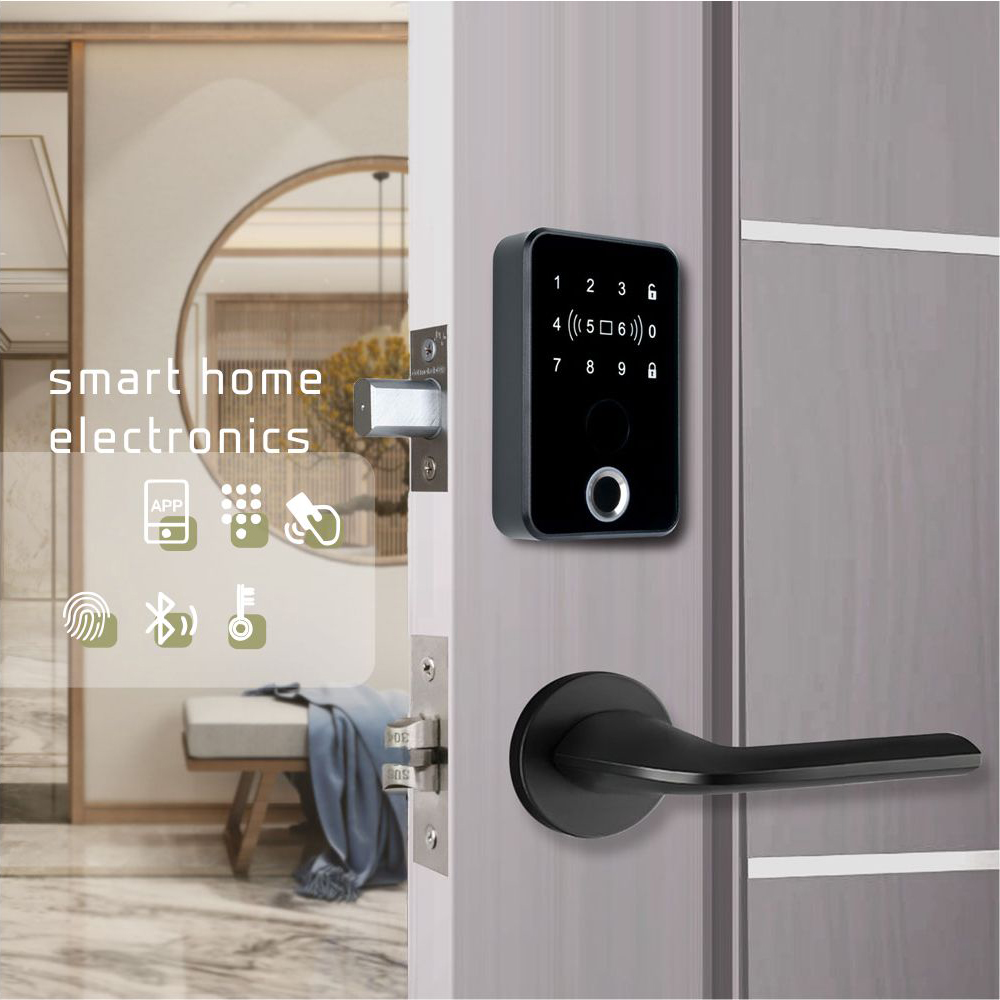
Hardware is the first point of failure in cheaper imports. We’ve seen projects where the hinges sagged within two years, or the multi-point locks seized due to poor-quality steel. This is why we offer a full one-stop service that includes supporting hardware accessories sourced from reputable European and domestic brands.
When we assemble a window, we ensure the hardware is matched to the weight and size of the sash. A 1.5-meter-tall casement window requires different hinge load ratings than a 0.6-meter awning window. Our engineers calculate these loads and select hardware accordingly. This attention to detail is why we can confidently offer comprehensive after-sales support on our products.
—
Customization and Engineering Support for Your Specific Project
B2B buyers rarely need standard sizes. You need solutions for specific architectural designs—curved facades, oversized sliders, or dual-color frames that match a building’s interior and exterior aesthetics. This is where our engineering team becomes your in-house design department.
Custom Sizes, Colors, and Finishes (Powder Coating vs. Anodizing)
The finish on your aluminum profile is both a cosmetic and a durability decision.
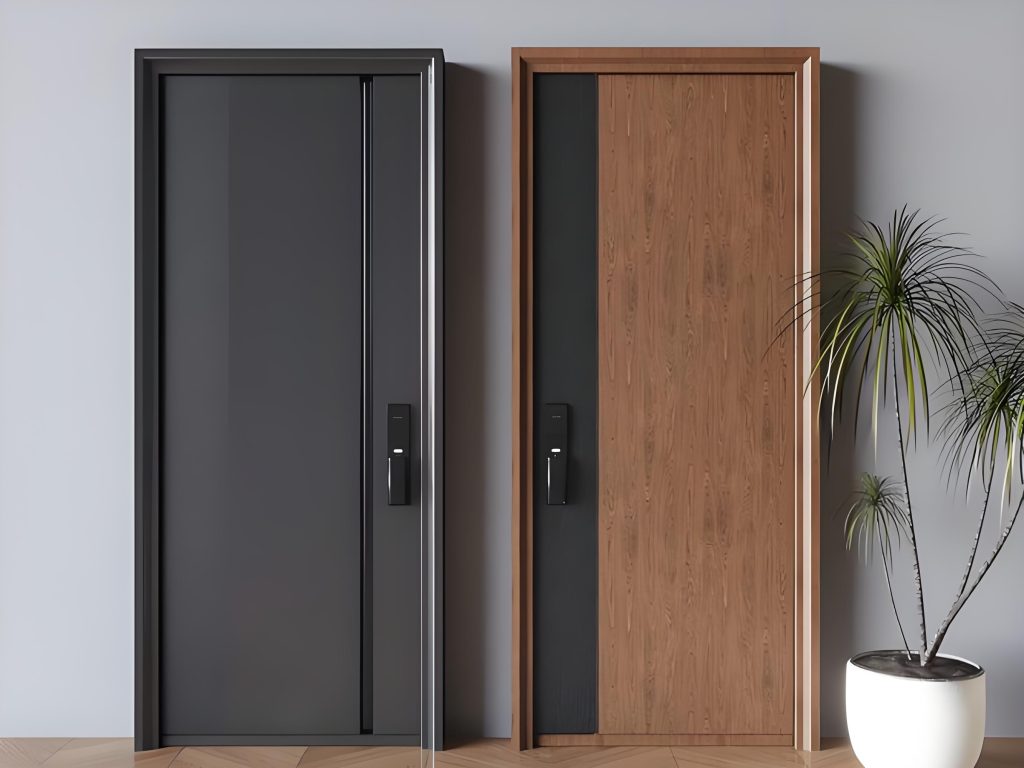
- Powder Coating: This offers the widest range of colors and textures. We can match specific Pantone colors or provide wood-grain finishes that mimic the look of our solid wood doors. This is ideal for projects where the windows need to blend with timber cladding or interior wood trim. Powder coating is also highly resistant to chipping and UV fading.
- Anodizing: This is a chemical process that creates a hard, corrosion-resistant surface. It has a metallic, silver or bronze appearance. While it has a more limited color range, it is extremely durable and often preferred for coastal or industrial environments.
As a manufacturer, we offer fully customized design services. We can apply powder coating or wood-grain finishes to match your specific architectural requirements. This capability is particularly valuable for villa developers who want the warmth of wood on the interior but the low-maintenance durability of aluminum on the exterior.
How We Turn Architectural Drawings into Shop Drawings
The gap between an architect’s concept drawing and a manufacturable window is significant. The architect may specify a 2000mm x 1500mm opening, but they haven’t accounted for the frame depth, the reveal, or the installation clearance.
When you send us your drawings, our experienced in-house design and engineering team reviews them for feasibility and cost-efficiency. We produce detailed shop drawings that show every profile cross-section, every sealant joint, and every hardware location. This process prevents costly errors during installation. We provide customized shop drawings and formal quotations within 24 hours of receiving your initial inquiry. This speed accelerates the approval process for contractors and builders who are working on tight schedules.
OEM vs. ODM: Choosing the Right Partnership Model
Understanding the difference between OEM and ODM is crucial for your business model.
- OEM (Original Equipment Manufacturing): You provide the specifications, and we manufacture to your exact drawings. This is ideal for established brands that have their own design team and simply need a reliable production partner with high-quality standards.
- ODM (Original Design Manufacturing): We provide the design expertise. You tell us the performance requirements and aesthetic goals, and our team designs the window system for you. This is ideal for retail dealers or new entrants who want to launch their own brand without investing in a full R&D department.
We support both OEM & ODM customization. This allows retail dealers to launch their own brand or architects to execute proprietary designs without needing to invest in their own factory. The choice depends on your internal capabilities and your long-term goals.
—
Evaluating Quality Control and Manufacturing Capabilities
When you’re importing from overseas, you’re trusting the factory to deliver consistent quality across hundreds or thousands of units. This trust is earned through transparent manufacturing processes and verifiable quality control protocols.
The Importance of In-House Production (Wood Drying & Spray Finishing)
Many “manufacturers” in our industry are actually trading companies that outsource extrusion, machining, and assembly to different sub-contractors. This creates quality inconsistencies. A window might have a perfect frame from one supplier, but poor hardware installation from another.
At Jusen, we operate our own wood drying, spray finishing, and aluminum processing workshops. While this guide focuses on aluminum, our mastery of wood processing informs our understanding of material behavior under different environmental conditions. We control the entire production environment to ensure no defects. This means we can guarantee the finish quality, the accuracy of the mitre cuts, and the integrity of the corner joints.
Ensuring Consistency Across Bulk Orders (MOQs and Lead Times)
One of the biggest fears for contractors is receiving a shipment where the first 100 windows are perfect, but the remaining 500 have subtle color variations or dimensional inaccuracies. This happens when factories change their material suppliers mid-production or fail to calibrate their machines.
We avoid this by maintaining strict quality control protocols for every batch. We offer flexible MOQs, which is unusual for a factory of our scale. This allows retail dealers and contractors to place smaller initial orders to test our product quality before committing to a large-volume contract. Once you scale up, our fast production lead times ensure that your construction schedule is not delayed. We have the capacity to handle construction project bulk supply without sacrificing the stability of our quality checks.
Protecting Your Investment: Packing and After-Sales Support
International shipping is rough on finished goods. Glass can crack, and frames can be dented if not properly packed. We handle logistics for global distributors and villa real estate developers, ensuring a smooth handover. We use reinforced wooden crates and corner protectors to ensure that your windows arrive in the same condition they left our factory.
If damage does occur during transit, we provide comprehensive after-sales support, including shipping damage protection. We don’t just say “file a claim with the shipping company.” We work with you to assess the damage and provide replacement parts or units as quickly as possible.
—
A Step-by-Step Guide to Placing Your Order
Working with a custom manufacturer doesn’t have to be complicated. Here’s exactly how the process works when you partner with us.
Step 1: Send Your Inquiry or Drawings
The first step is to Contact Our Team with your project details. This should include:
- Architectural drawings (PDF or CAD files) showing the window openings.
- Quantity of each window type.
- Performance requirements (U-value, wind load, acoustic rating).
- Aesthetic preferences (colors, finishes, hardware styles).
- Project location (for climate and building code considerations).
Step 2: Receive Quotation and Technical Review
Once we receive your inquiry, our engineering team reviews the drawings for feasibility. We look for potential issues like excessive span lengths, incompatible hardware, or installation challenges. We then provide a formal quotation and customized shop drawings within 24 hours. This gives you the technical clarity you need to budget accurately and get client approval.
Step 3: Production, Inspection, and Shipping
After you approve the shop drawings and place the order, we move into production. We provide regular progress updates so you know exactly when your order will ship. We coordinate logistics for global distributors, handling customs documentation and freight booking to ensure a seamless delivery to your site.
—
Frequently Asked Questions (FAQs)
Q1: What is the minimum order quantity (MOQ) for custom aluminum windows?
We offer flexible MOQs. Unlike many factories that require massive container loads, we can accommodate smaller project starts for retail dealers and contractors. This allows for easier initial testing of our product quality before you commit to a larger volume.
Q2: Can you manufacture aluminum windows in custom colors or with wood finishes?
Yes. We provide fully customized design services. Our factory can apply powder coating or wood-grain finishes to match your specific architectural requirements. We can match Pantone colors or create a seamless aesthetic between our aluminum windows and our solid wood doors, ensuring consistency across your entire project.
Q3: Do you support OEM/ODM services for private labeling?
Absolutely. We are a professional manufacturer supporting retail dealers and brands with private label options. We can produce windows to your exact specifications and brand them as your own. Whether you need OEM (manufacturing to your drawings) or ODM (we design for you), we have the capability to support your brand.
Q4: How do you ensure the quality of windows for large construction projects?
We operate our own aluminum processing workshops, meaning we control the quality from raw material to final production. With over 20 years of experience, we have strict quality control protocols in place for every batch. Our in-house design team also reviews every shop drawing for manufacturability, preventing errors before they occur on the production line.
Q5: How quickly can we get a quote for our villa or building project?
We provide customized shop drawings and formal quotations within 24 hours of receiving your initial inquiry or architectural drawings. Send Inquiry today to get started.
Q6: How do you handle shipping damage for international orders?
We use reinforced export packing to minimize the risk of damage. In the rare event that damage occurs, we provide comprehensive after-sales support, including shipping damage protection. We will work with you to assess the issue and provide replacement parts promptly.
—
Decision Guide: Choosing the Right Partnership Model
Choose OEM if:
- You have an established brand with proprietary designs.
- You have your own technical team that can produce detailed manufacturing drawings.
- You need a reliable production partner with strict quality control and capacity for bulk supply.
Choose ODM if:
- You are a retail dealer or distributor looking to launch a private label.
- You need expert design assistance to meet specific performance targets.
- You want to leverage a manufacturer’s existing R&D to save time and cost.
Choose a hybrid approach if:
- You have design concepts but need engineering support to finalize them.
- You want to start with a small test order before committing to a large volume.
- You need a partner that can handle both aluminum windows and solid wood doors for a complete project package.
—
Choosing the right aluminum window manufacturer is about more than just comparing price per square meter. It’s about finding a partner who understands the engineering constraints, has the manufacturing capability to execute your design, and stands behind their product with reliable after-sales support.
At Jusen Doors & Windows Manufacturing Co., Ltd., we bring over 20 years of experience in aluminum processing and solid wood engineering to every project. We operate our own workshops for wood drying, spray finishing, and aluminum processing, ensuring strict quality control from raw material to final production. We support OEM & ODM customization with flexible MOQs, fast lead times, and comprehensive after-sales support, including shipping damage protection.
We warmly welcome global distributors, builders, architects, and project partners. Let’s discuss your next project.
—
References
- Jusen Doors & Windows Manufacturing Co., Ltd. — About Us. https://doorwoodendoors.com
- Jusen Doors & Windows Manufacturing Co., Ltd. — Contact Page. https://doorwoodendoors.com/contact-us
- Efficient Windows Collaborative — U-value and SHGC Explained. https://www.efficientwindows.org/graphics/glazingoptions.pdf
- American Architectural Manufacturers Association (AAMA) — Window Wall Thickness Standards. https://aamanet.org/
- European Aluminium Association — Thermal Break Technology in Aluminum Profiles. https://www.european-aluminium.eu/