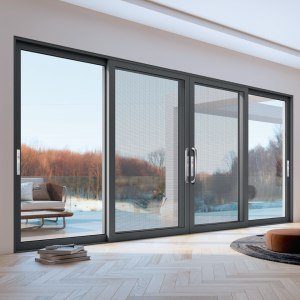
Aluminum screen doors are commonly selected when a project needs ventilation, insect protection, and a relatively low-maintenance frame. Aluminum can also be useful where a lightweight, durable screen-door structure is preferred.
The best choice depends on the opening, screen material, frame profile, operating configuration, climate, and expected traffic.
Why choose an aluminum screen door?
Aluminum offers several practical characteristics:
- Lightweight frame construction
- Resistance to common outdoor moisture exposure
- Low routine maintenance
- Compatibility with many screen configurations
- Availability in different finishes and profiles
However, aluminum is not automatically better than every alternative. The profile thickness, coating, hardware, screen material, and installation quality all affect the final result.
Common aluminum screen door configurations
Hinged screen doors
These operate like conventional swing doors. They are straightforward for entry points where there is enough space for the door arc.
Sliding screen doors
Sliding screen panels are commonly paired with sliding patio doors. Roller and track quality are particularly important.
Retractable screen systems
The screen retracts when not in use. These can be useful where a permanent visible screen frame is undesirable.
The operating configuration should be selected based on the opening and available clearance.
Frame and screen material
The aluminum frame and screen fabric are separate specifications.
Common screen materials can include fiberglass mesh, aluminum mesh, and other specialized fabrics.
Compare:
- Mesh openness
- Visibility
- Airflow
- Resistance to pets
- Resistance to impact
- Corrosion resistance
- UV exposure
- Repairability
A stronger mesh may be useful in high-traffic areas, but the frame and attachment system also need to withstand the expected use.
Size and fit
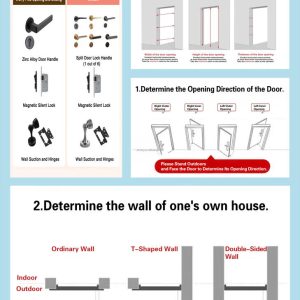
Measure the actual opening rather than relying only on a nominal door size.
For a hinged screen door, confirm:
- Opening width
- Opening height
- Frame depth
- Hinge side
- Swing direction
- Threshold
- Handle position
For a sliding screen door, also check the track width, roller adjustment, and panel overlap.
Poor fit can lead to gaps, difficult operation, rattling, or premature hardware wear.
Aluminum vs. other screen-door frames
| Frame type | General characteristics |
|---|---|
| Aluminum | Lightweight, low maintenance, widely available |
| Wood | Traditional appearance, requires more finish maintenance |
| Vinyl/composite | Different maintenance and profile characteristics |
| Steel | Strong but heavier and more susceptible to corrosion if poorly protected |
The best material depends on the application, not simply on price.
Installation considerations
The opening should be square enough for the screen door to operate correctly. Hinged doors need properly aligned hinges and a suitable latch. Sliding doors need a clean, correctly aligned track.
For exterior applications, confirm that the screen door does not interfere with the primary weather door, threshold, drainage, or emergency egress requirements where applicable.
Maintenance
Routine maintenance is usually simple:
- Keep tracks clean
- Inspect rollers and hinges
- Check fasteners
- Repair damaged mesh promptly
- Clean the frame according to the finish manufacturer’s instructions
If the screen is torn, replacing the mesh may be more economical than replacing the entire frame when the frame remains sound.
FAQ
Are aluminum screen doors durable?
They can be durable when the frame, mesh, hardware, and finish are appropriate for the application.
Is aluminum better than fiberglass screen material?
They serve different purposes. Aluminum mesh can provide a different balance of strength and appearance, while fiberglass mesh is often valued for flexibility and cost.
Can aluminum screen doors be custom sized?
Many suppliers offer custom sizes or adjustable systems, depending on the design.
Do aluminum screen doors rust?
Aluminum does not rust like iron or ordinary steel, although corrosion and finish degradation can still occur under certain environmental conditions.
Bottom line
Choose an aluminum screen door by looking at the complete system: frame profile, mesh, operating type, hardware, dimensions, finish, and installation. A lightweight aluminum frame is useful, but the screen and hardware often determine how well the finished door performs in everyday use.