Core Conclusion: Key Takeaways on Woodworking Doors
Woodworking doors are custom-crafted entrance and interior units made from solid wood or engineered wood composites. The two decisions that determine your outcome are wood species and contractor quality. For exterior doors, prioritize dimensional stability and weather resistance—mahogany, white oak, and engineered constructions perform best. For interior doors, appearance and budget matter more—walnut, cherry, and painted poplar offer excellent value. A reliable contractor or manufacturer will provide documented quality control, transparent pricing, and clear specifications. Expect to pay meaningfully more for solid wood versus engineered options, and verify that your chosen supplier conducts pre-shipment testing for air and water infiltration on exterior units.
Woodworking Door Types: A Detailed Breakdown
Solid Wood Doors
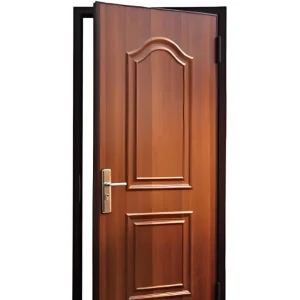
Solid wood doors are constructed entirely from natural lumber, typically using stile-and-rail joinery where vertical pieces (stiles) and horizontal pieces (rails) frame interior panels. The panels float within grooves to accommodate seasonal wood movement.
Advantages: Premium appearance, can be refinished multiple times over decades, natural insulation properties, and high perceived value in residential and commercial settings.
Disadvantages: Significant cost, susceptibility to warping if not properly dried and sealed, heavier hardware requirements, and longer lead times for custom work.
Engineered Wood Doors
Engineered doors use a composite core—often medium-density fiberboard (MDF), particleboard, or laminated veneer lumber—faced with wood veneer. The core provides dimensional stability while the veneer delivers the appearance of solid wood.
Advantages: Lower cost, excellent dimensional stability (minimal warping), consistent availability, and compatibility with painted finishes.
Disadvantages: Cannot be refinished as many times, veneer can delaminate in extreme conditions, and hollow-core variants feel less substantial.
Wood Plank Doors
Plank doors consist of vertical boards joined edge-to-edge, often reinforced with horizontal battens (Z-bracing) on the reverse side. This is one of the oldest door construction methods, dating back centuries.
Advantages: Rustic, distinctive appearance; relatively simple construction; and excellent strength when properly braced.
Disadvantages: More prone to seasonal expansion and contraction across the width; requires careful acclimation and finishing; and fewer manufacturers produce true plank doors compared to panel or flush designs.
Flush Doors
Flush doors have a completely flat surface, either hollow-core (lightweight, inexpensive) or solid-core (heavier, better soundproofing). The surface is typically faced with veneer or laminate.
Advantages: Clean, modern appearance; economical; excellent for concealed hardware or minimalist interiors.
Disadvantages: Hollow-core variants feel insubstantial; limited design detail; and veneer quality varies significantly among manufacturers.
Best Door Wood: Comparing Top Species
Selecting the right species requires balancing appearance, durability, stability, and budget. The table below summarizes key characteristics for common door woods.
| Wood Species | Best Use | Stability | Durability | Relative Cost | Notes |
|---|---|---|---|---|---|
| White Oak | Exterior | Good | Excellent | High | Rot-resistant, prominent grain, takes finishes well |
| Red Oak | Interior | Moderate | Good | Medium | Porous, less weather-resistant than white oak |
| Mahogany (Genuine) | Exterior | Excellent | Excellent | Very High | Naturally rot-resistant, stable, rich color |
| Sapele (African Mahogany) | Exterior | Excellent | Excellent | High | Affordable alternative to genuine mahogany |
| Walnut (Black) | Interior | Good | Good | High | Rich dark color, stable once dried |
| Cherry | Interior | Moderate | Good | High | Warm reddish tone, darkens with age |
| Maple | Interior | Good | Good | Medium | Hard, subtle grain, takes paint well |
| Poplar | Interior (painted) | Good | Moderate | Low | Inexpensive, accepts paint excellently, not for stain |
| Douglas Fir | Interior/Exterior (covered) | Moderate | Good | Low | Clear grades are attractive, knotty grades rustic |
| Teak | Exterior | Excellent | Excellent | Very High | Outstanding weather resistance, high oil content |
Exterior Door Recommendations
For exterior exposure, choose species with natural rot resistance and low movement. Genuine mahogany remains the gold standard for its combination of stability, rot resistance, and workability. Sapele offers similar properties at roughly 60-70% of the cost. White oak performs admirably, particularly when quarter-sawn to reduce movement. Avoid red oak, cherry, and maple for exterior applications—they lack natural rot resistance and will require aggressive maintenance.
Interior Door Recommendations
Interior doors face less environmental stress, so appearance and budget can dominate the decision. Walnut provides a sophisticated dark finish. Cherry offers warmth that deepens over time. Red oak remains the workhorse of interior door production due to its availability and cost. If you plan to paint, poplar is the sensible choice—it is inexpensive, stable, and takes paint exceptionally well.
Wood Movement Considerations
All solid wood moves with changes in humidity. A door that fits perfectly in winter may bind in summer. The table below shows approximate seasonal expansion per 12 inches of width for common species, assuming a typical 4% moisture content swing.
| Wood Species | Approximate Movement per 12″ Width |
|---|---|
| White Oak (quarter-sawn) | 0.03 inches |
| White Oak (plain-sawn) | 0.05 inches |
| Mahogany | 0.03 inches |
| Sapele | 0.03 inches |
| Walnut | 0.04 inches |
| Cherry | 0.04 inches |
| Red Oak (plain-sawn) | 0.06 inches |
| Poplar | 0.04 inches |
These figures are estimates based on standard wood movement data. Actual values depend on your local climate, the door’s finish quality, and the wood’s initial moisture content. A competent contractor accounts for this movement in the door’s design—floating panels, proper clearances, and appropriate joinery.
Woodworking Doors vs Alternatives: A Comparison Table
Understanding how woodworking doors compare to other materials helps contextualize your decision.
| Feature | Solid Wood | Engineered Wood | Steel | Fiberglass |
|---|---|---|---|---|
| Appearance | Premium, natural | Good, less depth | Industrial | Imitation wood grain |
| Durability | Good (with maintenance) | Good | Excellent | Excellent |
| Weather Resistance | Varies by species | Good | Good (with proper coating) | Excellent |
| Maintenance | Moderate to High | Low | Low | Very Low |
| Insulation (R-value) | Moderate (R-3 to R-5) | Moderate | Low (R-1 to R-2) | Good (R-5 to R-6) |
| Soundproofing | Good | Good (solid core) | Poor | Moderate |
| Refinishable | Yes, multiple times | Limited | Repaint only | No |
| Cost | High | Moderate | Moderate | Moderate to High |
| Customization | Excellent | Good | Limited | Limited |
Choose solid wood when appearance, customization, and long-term refinishing matter. Choose engineered wood for interior applications where stability and cost are priorities. Consider steel or fiberglass for high-exposure exterior situations where maintenance must be minimal.
How to Choose the Right Doors Contractor
Evaluating contractors requires structured diligence. Here is a practical framework for comparing candidates.
Experience and Portfolio
Ask for completed projects similar to yours—custom residences, commercial buildings, or renovation work. Examine joinery quality at the joints (stiles meeting rails), consistency of panel gaps, and the quality of the finish. Request references and follow up.
Certifications and Standards
Verify that the contractor or manufacturer adheres to recognized standards. For exterior doors, this includes testing for air infiltration, water penetration, and wind load resistance. Reputable manufacturers conduct these tests and can provide documentation. Inquire about the specific standards they test against.
Quotation Comparison
When comparing quotes, ensure each includes the same scope: door slabs, frames, hinges, hardware, finish (or finish-ready condition), delivery, and installation. A low quote may exclude essential items. Ask each contractor to itemize their pricing.
Quality Assurance Process
Understand how the contractor verifies quality before delivery. For manufacturers, this includes pre-shipment inspections covering dimensional accuracy, finish consistency, and hardware function. Ask what happens if defects are discovered after installation—a written warranty should address this.
Communication and Documentation
Reliable contractors respond promptly and provide clear documentation: order confirmations, packing lists, proforma invoices, and customs documents for international shipments. If a contractor cannot produce these, treat it as a red flag.
Additional Considerations: Wood Plank Doors and More
Wood Plank Door Specifics
If you are considering a plank door, verify that the boards are properly acclimated before assembly. The joint between boards should use a tongue-and-groove or shiplap profile to accommodate movement. Horizontal battens should be fastened with slots or elongated holes to allow for expansion. A well-made plank door will have a hidden joinery system that prevents gaps while permitting seasonal movement.
Sourcing from Manufacturers vs Local Contractors
Local contractors offer on-site measurement, installation, and immediate communication. Manufacturers—particularly those in established production regions—offer lower unit costs, consistent quality control, and extensive customization options. For large projects or bulk orders, direct manufacturer sourcing often delivers significant savings. For single doors requiring installation, a local contractor may be more practical.
Customization Options
Custom woodworking doors can be tailored in size, wood species, panel configuration, finish color, and hardware. Confirm that your supplier can accommodate non-standard dimensions, as many older buildings have openings that deviate from standard sizes. A reputable manufacturer will adjust profile structures and fittings to match local building codes in your target market.
Maintenance Expectations
Solid wood doors require periodic refinishing—typically every 2-5 years for exterior doors, depending on exposure and finish quality. Interior doors need less attention. Proper installation with adequate clearances and weatherstripping reduces maintenance significantly. Engineered doors require minimal maintenance but cannot be refinished as often.
Frequently Asked Questions
What are the main types of woodworking doors?
The main types are solid wood doors (stile-and-rail construction), engineered wood doors (composite core with veneer), plank doors (vertical boards with bracing), and flush doors (flat surface, hollow or solid core). Each serves different applications and budgets.
Which wood species is best for exterior vs interior doors?
For exterior doors, choose mahogany, sapele, white oak, or teak for their natural rot resistance and dimensional stability. For interior doors, walnut, cherry, red oak, and poplar (for painting) offer the best balance of appearance and cost.
How do I compare quotes from different doors contractors?
Ensure all quotes include the same scope: door slabs, frames, hinges, hardware, finish, delivery, and installation. Compare itemized pricing, not lump sums. Verify that each contractor provides quality assurance documentation and a written warranty.
What is the typical cost range for woodworking doors?
Costs vary widely based on wood species, construction method, size, and customization. Engineered interior doors typically cost less than solid wood doors. Solid wood exterior doors in premium species like mahogany or walnut command a significant premium. Request itemized quotes from multiple sources to establish a realistic budget for your project.
How long do woodworking doors last?
A well-made solid wood door with proper installation and regular maintenance can last 50 years or more. Engineered doors typically last 20-30 years. The finish is the primary determinant of exterior door lifespan—refinishing every 2-5 years protects the wood from moisture damage.
What should I look for in a wood plank door?
Check that boards are properly acclimated, use tongue-and-groove or shiplap joints, and have slotted or elongated fasteners at the battens. These details prevent gaps and warping. Verify the wood species is appropriate for the door’s location.
Are solid wood doors better than engineered wood doors?
Solid wood doors offer superior appearance, refinishing potential, and longevity. Engineered wood doors offer better dimensional stability, lower cost, and consistent availability. The right choice depends on your budget, the door’s location, and your maintenance willingness.
Final Recommendations and Next Steps
Choose solid wood doors when appearance, longevity, and customization are your priorities, and you are prepared for periodic maintenance. Choose engineered wood doors for interior applications where stability and cost matter more than refinishing potential. For exterior doors, prioritize species with natural rot resistance and verify that your supplier conducts proper weather testing.
As a manufacturer, our approach to these requirements is straightforward: we build woodworking doors using the species and construction methods described above, and we verify performance through pre-shipment testing for air-tightness, water-tightness, and wind resistance. We offer full customization on size, color, glass, and hardware, and we adjust profile structures and fittings to match local building codes in your market. Our factory-direct model eliminates middleman markup, and we provide complete documentation—packing lists, proforma invoices, and customs paperwork—for international shipments.
If you are evaluating suppliers for a project, we welcome the opportunity to provide a detailed quote.