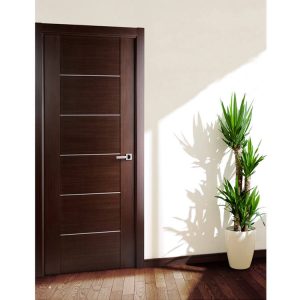
Oak exterior doors are chosen for their natural grain, substantial appearance and ability to work with traditional, transitional and contemporary façades. The main decision is not simply oak versus another wood: compare solid-oak construction, oak veneer, engineered wood cores and oak-look fiberglass or composite doors, then match the construction to climate, exposure and maintenance expectations.
Solid Oak vs Oak-Look Exterior Doors
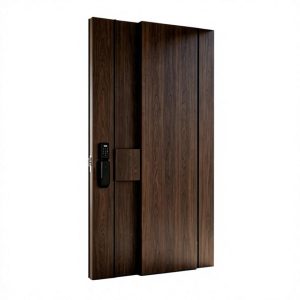
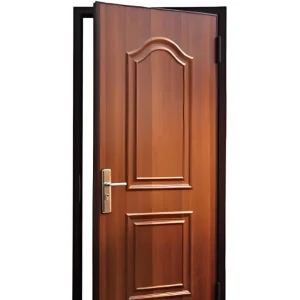
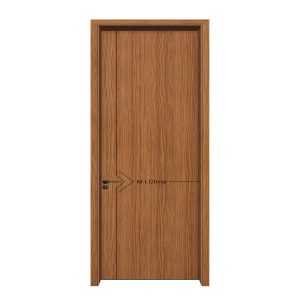
Solid oak uses oak as the principal door material and can be stained to show the grain. Oak-look fiberglass and composite doors use a different core and surface while reproducing an oak appearance. The latter can make sense when lower maintenance and dimensional stability matter more than having a fully wood door.
White Oak, Red Oak and Light Oak
White oak is commonly selected for a relatively calm grain and light-to-medium appearance, while red oak tends to show a more pronounced grain and warmer undertones. “Light oak” is usually a finish or color description rather than a separate construction type, so ask the supplier what the substrate actually is.
What Matters in an Exterior Oak Door
Check the core construction, weather-resistant finish, edge treatment, sill and threshold, glass specification if present, hardware preparation and warranty. A beautiful wood face does not compensate for a frame or threshold that is poorly suited to the exposure.
Choosing Oak for Different Climates
Moisture exposure, direct sun, temperature swings and sheltered versus fully exposed installation all affect maintenance. In demanding conditions, compare engineered wood, fiberglass and composite alternatives before committing to solid oak. If solid oak is selected, finishing and water management become part of the long-term ownership plan.
Oak Exterior Door Buying Checklist
Confirm nominal door size, actual slab dimensions, frame material, swing, handing, glass or no glass, finish system, threshold, hardware preparation, wall depth and whether the quotation includes the frame, sill and hardware.
For Project and OEM Sourcing
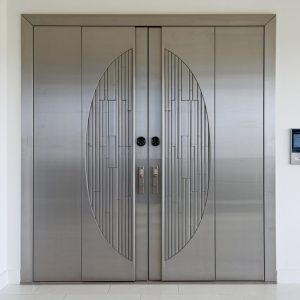
For commercial or project sourcing, Jusen can discuss custom aluminum exterior door systems when the project prioritizes low maintenance, dimensional stability and a modern frame profile rather than solid-wood construction.
FAQ
Q: Are oak exterior doors a good choice?
A: They can be, especially where natural wood appearance is a priority and the owner accepts exterior-wood maintenance. Exposure and finish quality matter as much as the species name.
Q: What is the difference between solid oak and oak veneer?
A: Solid oak uses oak through the main wood components, while veneer is a thin oak layer over an engineered substrate. Veneer can offer consistent appearance and dimensional stability at a lower material cost.
Q: Does white oak work for an exterior door?
A: Yes, when the complete door system is designed and finished for exterior exposure. The finish, construction and installation details matter as much as the species.
Q: Can I get an oak appearance without a wood door?
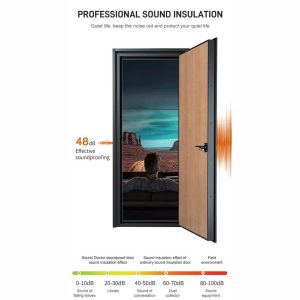
A: Yes. Fiberglass and composite doors can reproduce oak grain and color while reducing some of the maintenance associated with exterior wood.
Solid Oak Door Construction: What the Quote Should Tell You
When a supplier lists an “oak exterior door,” ask whether the slab is solid wood, engineered wood with oak veneer, or another core with an oak-look surface. These constructions can look similar in photographs but behave differently in moisture, weight, refinishing and long-term maintenance. The quote should also identify the frame material, sill, threshold, weather seals and finish system.
Oak Exterior Door With Glass or Without Glass
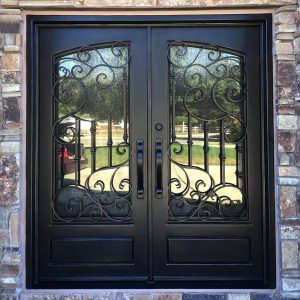
A solid oak door without glass provides the most private appearance. Glass adds daylight and can make a large entry feel lighter, but it introduces another performance variable. Compare clear, textured and privacy glazing according to the entrance orientation and the amount of visibility required. If the project uses decorative glass, confirm how the glazing is sealed into the exterior door system.
Typical Specification Table
| Item | What to confirm |
|---|---|
| Door construction | Solid wood, engineered wood, veneer or wood-look material |
| Species | Oak species and visible grade/character |
| Finish | Stain or paint and exterior finish system |
| Frame | Wood, fiberglass, steel or aluminum |
| Glazing | None, clear, textured or decorative |
| Threshold | Material, profile and weather-management design |
| Hardware | Lock preparation, hinges and handing |
When Oak Is Not the Best Fit
If the project is heavily exposed to rain, intense sun or large temperature swings, compare alternatives before selecting solid oak. Fiberglass can reproduce a wood appearance with a different maintenance profile, while aluminum can be preferable for modern commercial systems. The correct choice is the one that balances appearance with the actual exposure and ownership requirements.
Common Mistakes When Buying Oak Exterior Doors
The most common mistake is comparing species while ignoring construction. Also avoid comparing slab prices when one quotation includes a frame, sill and finish and another does not. For exterior wood, do not overlook the finish system, threshold and water-management details. Finally, confirm whether “oak” means solid oak, veneer or a wood-look alternative before comparing suppliers.
Bottom Line
Choose solid oak when authentic wood character and refinishing potential justify the maintenance. Choose engineered or wood-look alternatives when dimensional stability, maintenance or project consistency is more important.