First Section: Office Door Types: What Are Your Options?
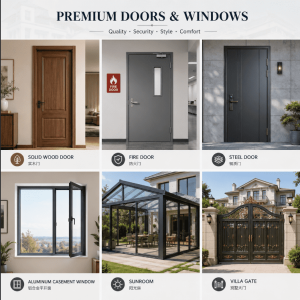
Office doors are not a single product category but a family of solutions tailored to different zones within a commercial floor plan. The main types fall into three material families—glass, wood, and metal—each with sub-variants that change performance and appearance.
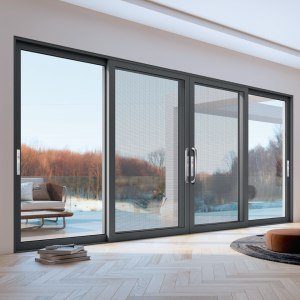
Glass office doors dominate modern and contemporary office interiors. They allow natural light to penetrate deep into floor plates, reducing reliance on artificial lighting. Clear glass maximizes openness; frosted or acid-etched glass offers privacy while maintaining light transmission. Glass doors are typically framed in aluminum—either standard or thermal-break profiles—for structural rigidity.
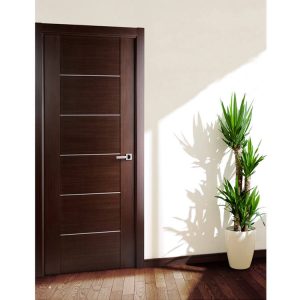
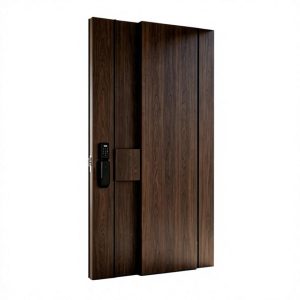
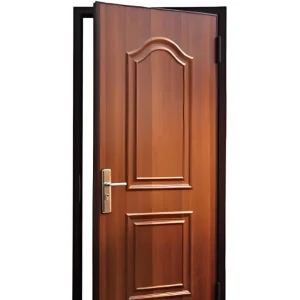
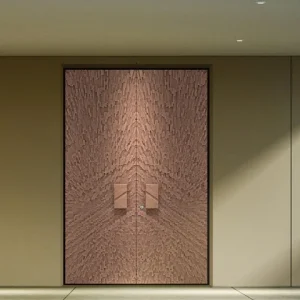
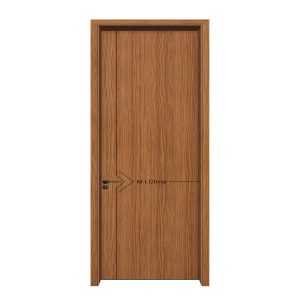
Wood office doors range from solid hardwood to engineered wood with veneers. Solid wood doors provide substantial acoustic insulation and a traditional, warm aesthetic suitable for executive offices or conference rooms. Wood office doors with glass panels bridge the gap, offering the classic look with borrowed light. Wooden office doors are often specified as solid core rather than hollow core for better sound performance and perceived quality.
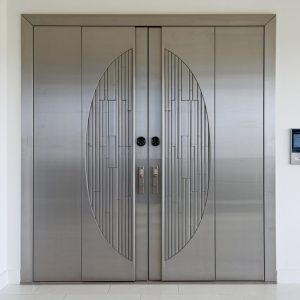
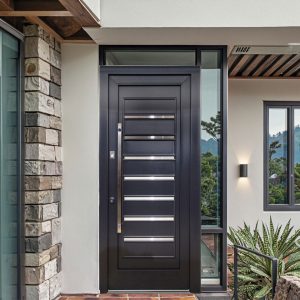
Solid office doors in this context usually means solid-core construction—particle board or mineral core wrapped in veneer—or metal doors. Solid-core doors resist warping better than hollow-core versions, provide meaningful sound reduction, and meet fire-rating requirements more easily. For interior office applications, black office doors have become a popular finish choice, adding a strong visual anchor to otherwise neutral spaces.
## Service Content: Matching Door Types to Office Zones
Not every office area needs the same door. A practical selection method maps door types to specific use cases:
- Open-plan workstations: rarely need doors; when privacy is required, glass office doors interior partitions with clear or lightly frosted glass work best.
- Private offices and management rooms: internal office doors with solid cores or wood construction balance acoustics and formality. An office door with frosted glass maintains visibility into the room while signaling occupancy.
- Conference rooms and meeting rooms: glass office doors with clear glass panels keep the space visually connected to the corridor. Acoustic-rated glass doors with specialized seals are available where confidential discussions occur.
- Utility rooms, IT closets, and storage: solid office doors or metal doors with minimal glazing prioritize durability and fire resistance over aesthetics.
The decision hinges on three competing factors: light transmission, acoustic privacy, and visual hierarchy. A glass-heavy design creates an open, collaborative feel but requires careful acoustic detailing. A wood-dominant scheme feels more traditional and private but can make corridors feel enclosed.
## Price Reference: What Drives Office Door Costs
Office door pricing varies widely based on material, glazing, hardware, and installation complexity. Understanding the cost drivers helps you budget realistically.
| Door Type | Typical Range (Material + Hardware) | Key Cost Drivers |
|---|---|---|
| Hollow-core wood (paint-grade) | Lower end | Lightweight, minimal acoustic value, prone to damage |
| Solid-core wood veneer | Mid-range | Better acoustics, stable, customizable finish |
| Wood door with glass panel | Mid-to-higher | Glass type (clear vs. frosted), frame detailing |
| Aluminum-framed glass door | Higher | Profile quality, glass thickness, thermal break |
| Full-glass (frameless) door | Highest | Precision hardware, tempered glass, installation skill |
Labor and hardware typically add 30–50% to material costs. Commercial installation requires leveling, anchoring to the frame, and proper clearance adjustment—not a DIY task. Fire-rated doors carry a premium because the entire assembly (door, frame, hardware) must carry a certification label.
For budget planning, expect the material cost spread between the least and most expensive office door options to be roughly three- to fourfold. The largest variable is glazing: an office door with glass panels costs more than a solid door of the same construction because of the frame reinforcement and glass specification.
## Why Choose Local Suppliers: Verification and Quality
Finding a reliable local office door supplier requires more than a quick search for “office doors near me.” The commercial investigation process should include:
- Check for physical presence. Visit the supplier’s showroom or warehouse. A legitimate local supplier can show you actual door samples, not just catalog images.
- Request references from recent commercial projects. Ask for completed installations in buildings similar to yours. Contact the facility manager to ask about delivery times, installation quality, and post-installation support.
- Verify documentation. A professional supplier provides detailed quotations with material specifications, lead times, and warranty terms. For fire-rated doors, they should explain the certification process and provide the necessary labels.
- Compare three quotes minimum. Pricing consistency matters. A quote significantly below market rate often indicates lower-grade materials or omitted hardware.
- Ask about customization. Office doors rarely fit standard openings perfectly. A capable supplier handles custom sizes, special glass types, and specific hardware requests without excessive lead times.
One consideration that separates factory-direct manufacturers from local resellers is the ability to customize profiles and fittings to match local building codes. When you work directly with a manufacturer, you can adjust the door construction—profile depth, glass thickness, hardware configuration—to meet regional requirements rather than adapting a standard product.
As a manufacturer of office doors, including thermal-break aluminum systems and wood doors with glass options, we support commercial projects through OEM and ODM arrangements. Our factory-direct model means you work with the production team, not a middleman, which matters when you need specific sizes, custom glass treatments, or hardware that meets local standards. We provide full pre-shipment inspection reports—air-tightness, water-tightness, and wind resistance—so you know the product performs to specification before it ships. For international buyers, we handle FCL and LCL shipments directly from our China factory, complete with all customs documentation.
## Related Considerations: Glass, Privacy, and Style
Glass Types and Privacy Levels
The choice between clear and frosted glass comes down to how much visual privacy you need. Clear glass suits collaborative environments where visibility is desirable. Frosted glass office doors obscure shapes and details while letting light through—ideal for individual offices where occupants want to avoid being watched but still benefit from daylight.
For maximum privacy, consider switchable glass (electrochromic or liquid crystal) that transitions from clear to opaque electronically. This is a premium option with higher upfront costs and requires power supply to the door frame.
Acoustic Performance
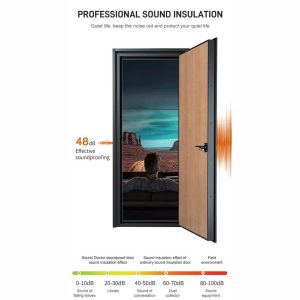
Sound transmission class (STC) ratings measure a door’s ability to block sound. A standard solid-core wood door achieves roughly STC 25–30. A well-sealed glass door with acoustic glazing can reach STC 35–40. The weak point is almost always the perimeter seal, not the door panel itself. If acoustic privacy matters, specify drop seals at the bottom and perimeter gaskets around the frame.
Style and Finish
Contemporary office doors trend toward minimal frames, slim sightlines, and black or bronze finishes. Black office doors work well in spaces with exposed concrete, metal accents, or monochrome palettes. Wood office doors suit warmer interiors with natural materials. The finish should coordinate with your window frames, baseboards, and interior partitioning systems.
Accessibility and Building Codes
Commercial office doors must meet accessibility standards. A clear opening width of at least 32 inches is the typical minimum for wheelchair passage. Door hardware must be operable with a closed fist—lever handles rather than knobs. Check your local building code for egress requirements, door swing direction, and fire ratings. Interior office doors generally require a 20-minute fire rating if they open onto a corridor, but confirm with your local authority.
Maintenance and Lifecycle Costs
Hollow-core doors are cheapest upfront but dent easily and absorb moisture. Solid-core doors last longer but can warp if exposed to humidity. Aluminum-framed glass doors require minimal maintenance—occasional track cleaning and gasket replacement—and typically outlast wood doors in high-traffic areas. Over a 10-year lifecycle, the most economical choice is often a solid-core or metal door with quality hardware, despite the higher initial investment.
Customization Options
Office doors can be customized in nearly every dimension: size, glass type (clear, frosted, tinted, laminated), frame color, hardware finish, and even integrated blinds between glass panes. When ordering custom doors, confirm the lead time and request a sample of the finish before mass production. A reputable supplier provides drawings or renderings for approval before manufacturing.
Finding a Trustworthy Supplier
For commercial buyers, the safest route is to work with suppliers who have verifiable project history and transparent pricing. Ask for a detailed breakdown of material, hardware, and delivery costs. Request a sample for large orders. And always confirm the warranty terms in writing.
If you are planning a commercial project and need guidance on door specifications, customization options, or factory-direct pricing, contact our team for a quote. We can help you match the right door construction to your building’s requirements and budget.