Single Pane Windows: The Basics and Trade-offs
A single pane window is exactly what the name suggests: one layer of glass set into a frame, with no secondary glazing layer or insulating gap. It is the oldest and simplest glazing configuration still produced at scale. For commercial buyers evaluating options, the core distinction is straightforward—single pane offers the lowest initial cost but the weakest thermal and acoustic performance of any glazing type.
The main disadvantages of single pane windows are well documented. Because there is only one glass layer, heat transfers freely through the pane. In winter, the interior surface temperature drops close to the outdoor temperature, which drives heating costs up and creates uncomfortable cold zones near the glass. In summer, solar heat gains pass through almost unimpeded, increasing cooling loads. Condensation is another persistent problem: when warm, humid interior air meets a cold glass surface, moisture forms on the pane and can damage window frames, sills, and nearby wall finishes over time.
Acoustic performance is equally limited. A single layer of glass—typically 3 mm to 6 mm thick—provides minimal sound attenuation. If your commercial project sits near a roadway, railway, or other noise source, single pane glazing will transmit a substantial portion of that sound into the interior.
The one area where single pane windows remain competitive is upfront cost. The glass itself is inexpensive, the frames can be simpler, and manufacturing is faster. For unheated storage buildings, temporary structures, or interior partitions where climate separation is not required, single pane can still be a rational specification. But for any occupied commercial space subject to energy codes or occupant comfort requirements, the long-term operating costs usually outweigh the initial savings.
6-Pane Windows: Aesthetic Divides and Practical Realities
A 6-pane window is a single window unit divided into six individual glass sections within one frame. The divisions are created by muntins or grilles—either true divided lites where each pane is separate glass, or simulated divided lites where grilles are applied over or between larger glass panels.
The primary purpose of a 6-pane configuration is aesthetic. It evokes traditional architectural styles—Georgian, Colonial, or certain institutional designs—where multi-light windows were standard. For commercial projects in historic districts, on campuses with established architectural vernacular, or for hospitality and retail spaces seeking a particular character, the 6-pane look can be a defining design element.
The benefits of 6-pane windows are almost entirely visual. The configuration adds architectural detail and scale to a facade, breaks up large expanses of glass, and can make an otherwise plain elevation feel more deliberate. In terms of thermal performance, however, the number of panes in a divided-light configuration does not improve insulation. A true divided lite with six individual panes of single glass performs the same as a single pane window of the same total area. If energy efficiency matters, the glass specification—not the pane count—is what determines performance.
There are practical trade-offs to consider. True divided lites have more frame material and more glass edges, which means more surface area for heat transfer and more potential leak points. Cleaning is more labor-intensive, as each individual pane must be accessed. In some configurations, the added framing reduces the visible glass area, lowering natural light transmission. Additionally, true divided lites typically cost more than a single large pane of the same overall dimensions due to the additional framing and assembly labor.
For commercial buyers, the key question is whether the aesthetic value justifies the cost premium and maintenance burden. If the architectural design requires the divided-light appearance, a 6-pane window with insulated glazing units in each lite can provide both the look and acceptable thermal performance. If the divided-light look is optional rather than required, a simpler configuration will almost always deliver better performance per dollar.
Fixed Pane Windows: When Non-Operable Glass Makes Sense
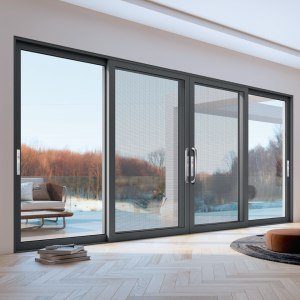
A fixed pane window is a non-operable glass panel installed directly into a frame. It does not open, hinge, slide, or otherwise move. Its function is to admit light and provide views while forming a permanent part of the building envelope.
Fixed pane windows are common in commercial construction for several practical reasons. Large fixed glass panels are used in storefronts, curtain walls, atriums, and office lobbies where natural light is the priority and ventilation is handled by separate mechanical systems. Because there are no moving parts, fixed panes eliminate the hardware, weatherstripping, and operating mechanisms that are the most common failure points in operable windows. This makes them highly reliable, with lower maintenance requirements over the life of the building.
Are fixed pane windows more energy efficient than operable windows? Generally, yes. A fixed window has no sash-to-frame seals that can degrade over time, no hardware penetrations that compromise the thermal envelope, and no gaps where air can infiltrate. The glazing itself is sealed into the frame with a continuous perimeter, creating a much tighter assembly than an operable window of the same size and glazing specification. Independent testing consistently shows that fixed windows achieve lower air leakage rates than operable units, which directly translates to better energy performance.
The trade-off is loss of natural ventilation. If your project relies on operable windows for fresh air, fixed panes will not work for those locations. Building codes in many jurisdictions require a minimum amount of operable glazing in certain occupancy types, particularly where mechanical ventilation is not provided. Fixed panes also complicate emergency egress and window cleaning access for upper floors, though these are typically addressed through other means in commercial design.
For commercial buyers, fixed pane windows are often the most cost-effective way to achieve high-performance glazing. Without the complexity of operating hardware, the frame can be simpler and the installation faster. When combined with insulated glazing units, fixed panes offer one of the best combinations of energy efficiency, durability, and cost among all window types.
Single Pane vs. 6-Pane vs. Fixed Pane: Side-by-Side Comparison
To make an informed decision, commercial buyers need to weigh these options against the criteria that matter most for their specific project. The table below summarizes the key differences across the most important procurement factors.
| Criterion | Single Pane Windows | 6-Pane Windows | Fixed Pane Windows |
|---|---|---|---|
| Initial Cost | Lowest—minimal glass and frame material | Moderate to high—additional framing and assembly labor | Low to moderate—no operating hardware, simple frame |
| Energy Efficiency | Poor—high heat transfer, no insulating gap | Depends on glazing; divided lites add framing surface area | Best—continuous perimeter seal, no operable gaps |
| Maintenance | Low—simple construction, but condensation can damage frames | Higher—more glass edges and frame surfaces to clean and maintain | Lowest—no moving parts, minimal hardware to fail |
| Security | Weakest—single glass is easier to breach | Moderate—more frame members can slow entry, but glass is the weak point | Strong—fixed installation is harder to force open than operable units |
| Ventilation | Operable options available | Operable options available | None—non-operable by definition |
| Sound Insulation | Poor—minimal acoustic attenuation | Similar to single pane unless insulated glazing is specified | Depends on glazing specification, but tight seals reduce sound leakage |
| Customization | Limited—basic sizes and configurations | High—pane count and layout can match architectural styles | High—large custom sizes and shapes possible |
| Typical Applications | Storage, temporary structures, interior partitions | Historic-style facades, hospitality, institutional design | Storefronts, lobbies, curtain walls, atriums |
This comparison makes clear that there is no universally “best” option. The right choice depends on your project’s priorities: budget constraints point toward single pane or basic fixed units, aesthetic requirements may mandate 6-pane configurations, and energy performance targets are best met with fixed panes featuring insulated glazing.
How to Choose the Right Window Type for Your Commercial Project
For commercial buyers, the decision process should follow a structured evaluation rather than relying on general impressions. Start with the governing requirements, then move to project-specific factors.
Energy codes and performance standards. Most commercial projects must comply with local energy codes that specify minimum thermal performance for glazing. These codes typically express requirements in terms of U-factor (heat transfer rate) and Solar Heat Gain Coefficient. Single pane windows with a U-factor around 1.0 or higher will fail virtually any modern commercial energy code. Fixed panes with double glazing typically achieve U-factors in the 0.30–0.50 range, depending on the glass specification and frame type. Before selecting any window type, confirm the applicable code requirements for your jurisdiction and project type.
Safety and glazing standards. Building codes also regulate the type of glass used in specific locations. Tempered or laminated glass is required in hazardous locations—doors, sidelites, areas near floors, and large panels where breakage could cause injury. This applies regardless of whether you choose single pane, 6-pane, or fixed pane configurations. A single pane window in a door or at ground level must still use safety glazing.
Budget analysis. When comparing costs, look beyond the initial purchase price. Calculate the lifecycle cost, which includes energy consumption over the building’s life, maintenance, and potential replacement. A single pane window that saves $50 per unit upfront but adds $200 per year in heating and cooling costs will be far more expensive within a few years. For a commercial project with a 20–30 year lifespan, energy performance usually dominates the cost equation.
Aesthetic requirements. If your project has architectural design constraints—historic preservation, campus design guidelines, or brand identity requirements—the 6-pane configuration may be non-negotiable. Work with your manufacturer to achieve the divided-light appearance using insulated glazing in each lite, which preserves the look while meeting energy performance targets.
Ventilation strategy. Determine whether each window location requires natural ventilation. Operable windows are needed in spaces without mechanical ventilation or where occupants expect to open windows. Fixed panes are appropriate where HVAC systems handle all air exchange.
Choose single pane windows if your project is unheated, temporary, or has no energy performance requirements. Choose 6-pane windows if the architectural design demands a divided-light appearance and you are willing to pay for the aesthetic. Choose fixed pane windows for most other commercial applications where light, views, energy efficiency, and low maintenance are the priorities.
Frequently Asked Questions
What are the main disadvantages of single pane windows?
Poor thermal insulation, high condensation risk, weak acoustic performance, and low security. Single pane glass offers minimal resistance to heat transfer, which drives up energy costs and reduces occupant comfort. Condensation forms readily on the cold interior surface, potentially damaging frames and surrounding materials.
What is a 6-pane window and what are its benefits?
A 6-pane window is a single frame divided into six glass sections by muntins or grilles. The benefits are primarily aesthetic—the divided-light configuration adds architectural character and suits traditional or historic building styles. True divided lites with insulated glass in each section can also provide acceptable energy performance when properly specified.
Are fixed pane windows more energy efficient than operable windows?
Yes, in most cases. Fixed windows have no operating hardware, no sash seals that can degrade, and a continuous perimeter seal that minimizes air infiltration. This makes them inherently tighter than operable windows of the same glazing specification, which translates to better energy efficiency.
Which window type is best for sound insulation?
None of these types are inherently superior for sound insulation when using standard single glazing. Acoustic performance depends primarily on glass thickness, the use of laminated glass, and the air gap in insulated glazing units. A fixed pane window with laminated glass and a wide insulating gap will perform better than any of these configurations with basic glass.
How do costs compare between single pane, 6-pane, and fixed pane windows?
Single pane windows have the lowest initial cost due to minimal materials and simple construction. Fixed pane windows are slightly more expensive than single pane but less than operable windows because they lack hardware. 6-pane windows are typically the most expensive due to additional framing and assembly labor, particularly for true divided lites.
Can single pane windows be customized for commercial projects?
Yes, single pane windows can be manufactured in custom sizes and with various frame materials and finishes. However, customization does not address the fundamental performance limitations of single glazing. If you need single pane for budget reasons, confirm that your project does not require better thermal or acoustic performance.
What should I look for in a window manufacturer for these types?
Evaluate suppliers on their ability to meet your project’s performance specifications, not just their product catalog. Ask about U-factor and air leakage test data, glazing options, and experience with commercial projects. Confirm that they can provide proper documentation for customs, shipping, and local code compliance if sourcing internationally.
Additional Considerations for Your Purchase
Beyond the basic type selection, commercial buyers should consider several factors that affect the final decision.
Glazing upgrades. The glass specification matters more than the window configuration in many cases. If energy performance is a priority, discuss double-glazed units with the manufacturer regardless of whether you choose single pane, 6-pane, or fixed configurations. A fixed pane window with double glazing will outperform a single pane window with premium coatings because the insulating air gap is the dominant factor in thermal performance.
Frame materials. The frame conducts heat around the glass edges, which affects overall window performance. Aluminum frames without thermal breaks conduct heat readily, while thermally broken aluminum, uPVC, or wood frames perform better. For commercial projects, thermally broken aluminum is a common choice because it balances structural strength, durability, and thermal performance. The frame material should be selected in conjunction with the glazing type to achieve your target U-factor.
Supplier evaluation for commercial projects. When sourcing windows for a commercial project, verify that the manufacturer can meet your specific requirements. Key questions include: Can they adjust profile structures and fittings to match local building codes in your target market? Do they provide pre-shipment inspection reports covering air-tightness, water-tightness, and wind resistance? Can they handle both FCL and LCL shipping with full customs documentation? For international procurement, these logistical capabilities are as important as the product itself.
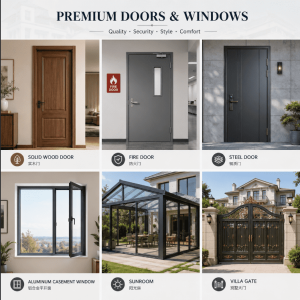
As a manufacturer of solid wood doors, thermal-break aluminum windows, and system windows, we approach these requirements directly. Our factory produces single pane, multi-lite, and fixed pane configurations to specification, with full customization on size, color, glass, and hardware. For commercial buyers, we provide test documentation for air-tightness, water-tightness, and wind resistance before shipment, along with complete packing lists and customs paperwork. Our profile structures and fittings can be adjusted to match the building codes of your target market, and we support both FCL and LCL delivery from our China factory.
The right window choice ultimately comes down to your project’s specific requirements. Define your energy targets, aesthetic needs, and budget constraints, then evaluate these options against those criteria. For projects where performance and reliability matter, fixed pane windows with appropriate glazing represent the most straightforward path to meeting modern commercial standards.
If you are evaluating window options for a commercial project and need detailed specifications or pricing, our team can provide the technical documentation you need to make an informed decision.