Key Takeaways: What to Know Before Buying a Shed Replacement Door
A replacement door for a shed is a straightforward purchase if you focus on three things: accurate measurements, material suited to your climate, and a clear understanding of whether you need a pre-hung unit or just a slab. Most shed doors fail at the hinges or the bottom rail due to moisture exposure, not because of impact damage. So your material choice should prioritize weather resistance over aesthetics. Expect to pay anywhere from $150 to over $1,000 depending on material, size, and whether it arrives pre-hung with a frame. Before ordering, measure the rough opening, not the existing door, and decide who will install it because that affects whether you buy a complete unit or a door slab only.
Types of Shed Replacement Doors: Materials, Pros, and Cons
The four dominant materials for shed replacement doors are wood, steel, aluminum, and vinyl/composite. Each behaves differently under moisture, temperature swings, and physical abuse.
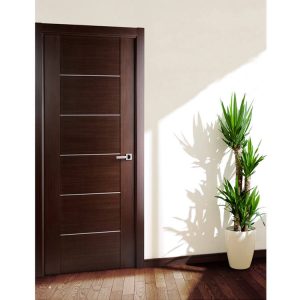
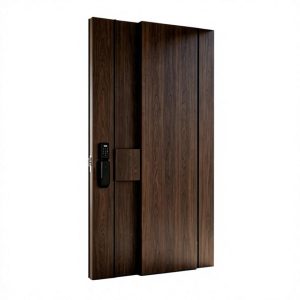
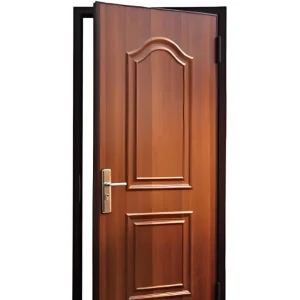
Wood remains the traditional choice because it is easy to trim, paint, and repair. A pine or cedar slab door costs less upfront and can be cut down to fit non-standard openings. Cedar and redwood contain natural oils that resist rot, but they still require periodic sealing or painting. The trade-off is maintenance. In humid climates or where the door contacts standing water, wood edges swell and the bottom rots within a few years unless protected. For a workshop shed where appearance matters and you are willing to refinish every two to three years, wood is viable. For a low-maintenance utility shed, it is the most demanding option.
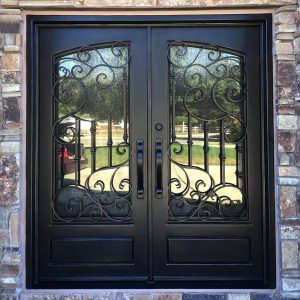
Steel doors are common for sheds because they are inexpensive, fire-resistant, and virtually maintenance-free. Most residential steel doors use a 24- to 26-gauge skin over a polyurethane or polystyrene core. The outer skin resists denting from casual contact but will dent from a hard impact, and once the galvanized coating is scratched, rust forms quickly. Steel is a poor insulator unless the core is thick, so in extreme climates the door surface will feel cold and may condense moisture on the interior face. For a shed storing tools or equipment, steel offers the best security-to-cost ratio.
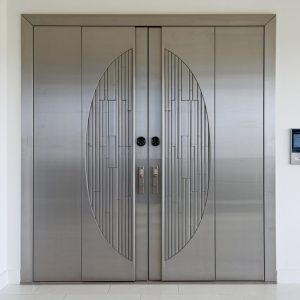
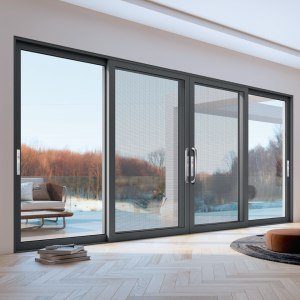
Aluminum is where you start seeing better corrosion resistance and lighter weight. A thermal-break aluminum door uses a polyamide strip between the interior and exterior frames to reduce heat transfer. This matters if the shed is conditioned or houses temperature-sensitive items. Aluminum never rusts, which makes it ideal for coastal areas or sheds near sprinklers. The downside is cost: aluminum runs higher than steel, and thin aluminum skins can dent more easily than steel. However, for a replacement door that must withstand salt air or years of direct sun without fading, aluminum is the most durable option.
Vinyl and composite doors are the low-maintenance champions. They do not dent, rust, or require painting. Vinyl doors are typically hollow or foam-filled, so they offer moderate insulation. The material expands and contracts significantly with temperature, which means the door must be installed with proper clearance or it will bind in summer and draft in winter. Composite doors (wood fibers mixed with plastic) behave more like wood for trimming and fastening but require no painting. If you want a door you can ignore for a decade, vinyl or composite is the practical answer.
Shed Door Replacement Cost: What to Expect
A replacement door for a shed varies widely in price because the term covers everything from a basic slab to a fully assembled, pre-hung unit with hardware. Budget around $150 to $400 for a standard single steel or vinyl door slab. Pre-hung units add $100 to $250 because they include the frame, hinges, and threshold. Wood doors start near $200 for pine and climb past $600 for cedar or custom sizes. Aluminum and composite doors typically land between $400 and $900 depending on finish and glazing.
Installation costs add another layer. A handyman or door contractor will charge $150 to $400 for a straightforward swap, assuming the rough opening is square and no framing repairs are needed. If the opening requires reframing, rot repair, or shimming to make it plumb, add $100 to $300 in labor and materials. Regional labor rates vary significantly; urban areas on the coasts run higher than rural Midwest or South.
Hidden costs catch many buyers. If the existing opening is non-standard, a stock door will not fit, and custom sizing adds 20 to 40 percent to the door price. Delivery fees apply to pre-hung units because they are bulky. Disposal of the old door may cost $20 to $50 if you do not haul it yourself. And if you need a new lockset, handle, or weatherstripping, budget an extra $30 to $80.
Comparison Table: Shed Door Materials at a Glance
| Material | Typical Cost (slab) | Durability | Maintenance | Insulation |
|---|---|---|---|---|
| Wood (pine/cedar) | $150–$600 | Moderate; rots if unsealed | High; repaint every 2–3 years | Low to moderate; depends on thickness |
| Steel | $150–$400 | High against impact; rusts if scratched | Low; touch-up paint as needed | Low to moderate; depends on core |
| Aluminum (thermal-break) | $400–$900 | Very high; no rust, handles coastal exposure | Very low; occasional cleaning | Moderate to high; thermal-break frame |
| Vinyl/Composite | $200–$500 | Very high; no denting or rust | Very low; no painting required | Moderate; hollow or foam-filled |
How to Choose the Right Replacement Door for Your Shed
Start with the opening size, then work through climate, security, and installation method.
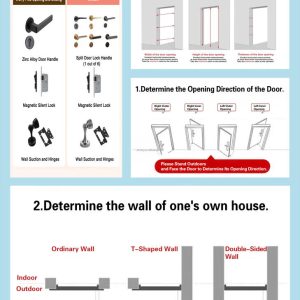
Measure correctly. The most common mistake is measuring the existing door and ordering that size, not realizing the old door is undersized for its frame. Measure the rough opening: the width and height of the framed opening from stud to stud and from the floor or sill to the header. Measure in three places horizontally and vertically, and use the smallest dimension. If the opening is out of square by more than a quarter-inch, you need a door that can be trimmed (wood or composite) or a custom size. Steel and vinyl doors cannot be cut down easily, so if your opening is irregular, those materials require a custom order.
Match material to climate. High humidity or frequent rain pushes you toward aluminum, vinyl, or galvanized steel with a baked-on finish. Coastal salt air eliminates non-galvanized steel. Extreme cold makes a thermal-break aluminum or foam-filled steel door worthwhile to prevent condensation and heat loss. In mild, dry climates, wood remains economical and serviceable.
Decide between slab and pre-hung. A slab door is just the door panel. It installs into an existing, sound frame with new hinges. If your current frame is square, rot-free, and structurally solid, a slab is cheaper and simpler. A pre-hung unit includes the door, frame, hinges, and weatherstripping. Choose this if the existing frame is damaged, if the opening is new, or if you want the best air and water seal. Pre-hung installation is more involved because you must shim and secure the frame, but the result is more weathertight.
Security and glass. A solid door without windows is the most secure. If you want natural light, choose a door with fixed, tempered glass rather than multiple small panes, which create more seal points. For hardware, a hasp with a padlock is common, but a keyed entry handle with a deadbolt offers better protection. If the shed stores valuable equipment, upgrade the hinge screws to longer ones that reach into the frame studs.
Related Door Replacement Considerations: Sidelights and Entry Doors
If you are already replacing a shed door, it is worth checking the condition of the surrounding elements. A replacement sidelight for an entry door becomes relevant when the shed has a double-door configuration or a side panel next to the main door. Sidelights are common on larger garden sheds or workshops that have a personnel door beside an equipment door. The same material and weatherproofing logic applies: sidelights must match the main door’s frame depth and threshold height to avoid leaks.
For homes, entry door replacement follows the same principles but with higher stakes. Entry doors face more frequent use, greater security requirements, and stricter building code compliance. If you are comparing a shed door replacement alongside a home entry door project, note that entry doors typically require a professional installation to meet local energy codes and warranty conditions. Steel and fiberglass dominate the residential entry market because of security and insulation performance, while wood remains a premium aesthetic choice.
Finding Affordable Door Replacement and Trusted Companies (Including Dallas)
Affordable door replacement does not mean the cheapest product. It means matching the door grade to the application so you do not overpay for features you do not need. For a shed, a basic steel or vinyl door is affordable and adequate. For an entry door, affordability comes from comparing quotes with a clear specification in hand, not from asking for a generic price.
When searching for companies, whether for a replacement door for a shed or a full entry door installation, look for a supplier that manufactures rather than only resells. A factory-direct source can control tolerances, offer custom sizing without a retail markup, and provide documentation for customs and shipping if you are sourcing internationally. Local installation companies in markets like Dallas are numerous, but the door quality depends on the manufacturer behind them. If you are in Dallas and researching best companies for entry door replacement, ask each contractor which manufacturer they use and whether the door meets the local energy code requirements for your climate zone.
Here Is How We Meet These Standards
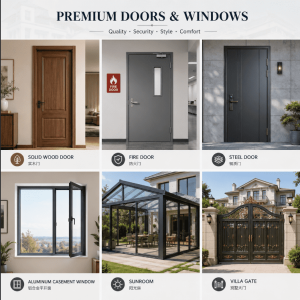
As a manufacturer of doors and windows, our approach to shed and entry door replacement follows the logic in this guide. We build thermal-break aluminum doors and windows, solid wood doors, and system windows, so we can supply a replacement door for a shed that matches whatever material and performance level your situation requires. Because we sell directly from our factory, there is no middleman markup, which keeps the cost closer to the material and labor reality rather than a retail chain’s overhead.
When you order from us, the door is not a stock item forced to fit your opening. We customize the size, color, glass, and hardware to match the measurements you provide. Our pre-shipment inspection includes air-tightness, water-tightness, and wind resistance tests, which matter most if your shed door faces direct weather exposure. We also adjust the profile structure and fittings to align with local building codes in your target market, so the door is not just functional but compliant.
For international buyers, we handle the logistics side that local retailers cannot. We provide packing lists, proforma invoices, and full customs documentation, and we ship both FCL and LCL from our factory in China. If you are sourcing for a construction project or need a bulk supply of matching doors, our OEM and ODM services allow you to specify the exact design and performance parameters. You are not limited to whatever is on a showroom floor.
Frequently Asked Questions About Shed Door Replacement
What are the most common materials for shed replacement doors?
Wood, steel, aluminum, and vinyl are the standard options. Wood suits workshops where appearance matters. Steel is the budget-friendly, secure choice. Aluminum resists corrosion best and works in coastal or humid areas. Vinyl requires the least maintenance.
How much does it cost to replace a shed door?
A basic steel or vinyl slab runs $150 to $400. Pre-hung units add $100 to $250. Wood doors range from $200 to $600. Aluminum and composite doors typically cost $400 to $900. Installation labor adds $150 to $400 depending on your region and whether framing repairs are needed.
How do I measure for a replacement shed door?
Measure the rough opening, not the existing door. Take width and height measurements at three points each, from framing member to framing member. Use the smallest dimensions. Check that the opening is square by measuring diagonals; if they differ by more than a quarter-inch, consider a trim-able material or a custom order.
Can I install a shed replacement door myself or should I hire a professional?
A slab replacement on a sound frame is a DIY-friendly job if you can handle a drill and a level. A pre-hung installation is more demanding because the frame must be shimmed plumb and square. If the opening has rot or is out of square, hire a professional to avoid a door that binds or leaks.
What are the benefits of a custom-sized shed door?
A custom-sized door fits the actual opening without oversized shims or gaps, which improves weather sealing and security. It also lets you match the door style and color to the shed or house. The cost is higher, typically 20 to 40 percent above stock sizes, but it eliminates the compromises of forcing a standard door into an irregular opening.
What should I look for in a door replacement company?
Ask whether they manufacture or resell, what materials they offer, and whether they can customize sizes. Confirm that the door meets local building codes for your climate zone. For international supply, verify that they provide proper export documentation and pre-shipment quality testing.
Are there affordable options for shed door replacement without sacrificing quality?
Yes. A basic steel door with a galvanized finish is affordable and durable if you maintain the paint on any scratches. Vinyl doors offer low maintenance at a moderate price. The key is matching the material to your climate so you do not pay for premature failure. Factory-direct sourcing removes retail markup, which lowers the cost of a comparable door.