The Direct Answer: Choosing a Patio Door Screen Door
If you have a sliding patio door, the best screen door option is typically a retractable screen door or a sliding screen door. Retractable models are ideal if you want to preserve the view and open the full doorway when the screen is not needed. Sliding screens are more durable, budget-friendly, and better suited for high-traffic homes, pets, and coastal climates. Storm doors with screens serve a different purpose—they add insulation and weather protection but are heavier and more complex to install on sliding doors. For non-standard openings, custom screen doors for patio enclosures are the only reliable solution. Your choice ultimately depends on how you use the door, your climate, and whether you prioritize durability, convenience, or energy efficiency.
Types of Screen Doors for Sliding Patio Doors
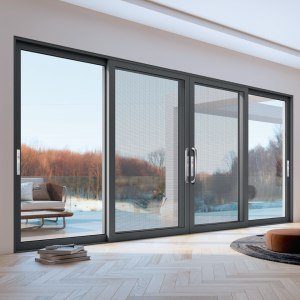
Sliding patio doors present a unique challenge for screens because of their width. Unlike hinged entry doors, a sliding door opening can be 6 to 16 feet wide. The screen solution must either roll away, slide on its own track, or be built as part of a larger enclosure system. These are the four main types you will encounter.
Retractable Screen Doors
A retractable screen door mounts to the side of the door frame and pulls across the opening when needed. A spring-loaded roller housing keeps the screen taut, and a handle latches into a catch on the opposite side. When not in use, the screen retracts into a cassette, leaving the full opening clear.
Advantages:
- Preserves the full view and natural light when retracted
- Does not require a separate track on the floor, which reduces trip hazards
- Can cover very wide openings (some models span up to 20 feet with center supports)
- Clean aesthetic; the housing blends with the door frame
Disadvantages:
- More moving parts (springs, rollers, guides) that can wear out over time
- Screen mesh is typically lighter gauge to allow rolling, making it more vulnerable to pet damage
- Higher cost per unit compared to sliding screens
- Not ideal for daily high-traffic use; frequent extension and retraction accelerates wear
Sliding Screen Doors
A sliding screen door is essentially a framed screen panel that rides on its own track, parallel to the glass door. It operates independently—you slide the screen to cover one half of the opening while the glass door is on the other half.
Advantages:
- Simple, robust construction with few moving parts
- Uses heavier frame materials (aluminum) and standard screen mesh
- Less expensive than retractable systems
- Suitable for daily use and high-traffic households
- Easier to replace the screen mesh when damaged
Disadvantages:
- The screen panel blocks half the opening, reducing the clear view
- Requires a bottom track that can collect dirt and debris
- The screen panel occupies space when not in use, limiting the full-open width
- Not practical for very wide openings without multiple panels
Storm Doors with Screens (Sliding Patio Storm Doors)
Storm doors are designed primarily for energy efficiency and weather protection. They are installed on the exterior side of the door and feature a combination of glass and screen panels. For sliding patio doors, these are less common than for hinged doors but do exist as sliding patio storm doors.
Key characteristics:
- Heavy-duty aluminum or steel frames with insulated glass panels
- Interchangeable or sliding glass and screen sections
- Provide an additional air barrier, reducing heat loss in winter and heat gain in summer
- Offer protection from wind-driven rain and debris
Important limitation: Sliding patio storm doors are significantly heavier and more expensive than standard screen doors. They require substantial structural support and precise installation. For most residential applications, a well-sealed sliding glass door with a separate screen door is more practical than a full storm door system.
Custom Screen Doors for Patio Enclosures
If your sliding patio door leads into a screened porch, sunroom, or three-season room, you are dealing with a patio enclosure. In this case, the screen door is part of a larger screen panel system.
What this involves:
- Custom-fabricated screen panels that match the enclosure’s framing
- Commercial-grade screen mesh (often fiberglass or aluminum) installed in aluminum frames
- Door options include hinged screen doors or sliding screen panels
- Designed to meet local building codes for wind load and egress
Custom screen doors for patio enclosures are the only option when you need to match an existing structure. They require professional measurement and fabrication, as standard sizes rarely fit enclosure openings.
Screen Doors vs. Storm Doors for Sliding Patios
The distinction between a screen door and a storm door is often misunderstood. Both can attach to a sliding patio door, but they serve different primary functions.
Screen doors are designed for ventilation and insect protection. They are lightweight, use open mesh, and their primary purpose is to let air flow while keeping bugs out. They offer minimal insulation value and no protection from wind-driven rain.
Storm doors are designed for weather protection and energy efficiency. They use glass panels (or a combination of glass and screen) and create an insulating air pocket between the door and the exterior. Their primary purpose is to reduce energy loss and protect the main door from the elements.
For sliding patio doors specifically, the practical question is: do you need ventilation or insulation?
- If you open your patio door primarily for fresh air, a screen door (retractable or sliding) is the right choice.
- If your priority is reducing heating and cooling costs, or if your patio door faces harsh weather, a storm door system provides more value.
- In moderate climates, a screen door with a well-sealed glass door often suffices, since the glass door itself provides insulation when closed.
A hybrid approach is common: install a retractable screen for ventilation during mild months and rely on the existing glass door for insulation during extreme weather. This avoids the cost and weight of a full storm door system.
Comparison Table: Key Options at a Glance
| Feature | Retractable Screen | Sliding Screen | Storm Door (Sliding) | Custom Enclosure Screen |
|---|---|---|---|---|
| Primary Function | Ventilation, view preservation | Ventilation, daily use | Insulation, weather protection | Enclosure matching |
| Typical Cost Range | $200–$600 per unit | $100–$300 per unit | $500–$1,500+ installed | $300–$800 per door panel |
| Installation Complexity | Moderate; frame mounting required | Moderate; track installation required | High; structural considerations | High; custom fabrication required |
| Durability | Moderate; moving parts wear | High; simple mechanics | Very high; heavy-duty construction | High; commercial-grade materials |
| View When Open | Full opening clear | Half opening blocked | Depends on panel configuration | Depends on panel configuration |
| Pet Resistance | Low to moderate | Moderate to high (with pet mesh) | High | High |
| Best For | Wide openings, view preservation, occasional use | High-traffic homes, budget-conscious buyers | Harsh climates, energy efficiency | Screened porches, sunrooms, existing enclosures |
| Maintenance | Spring and roller replacement over time | Track cleaning, mesh replacement | Glass cleaning, seal replacement | Frame cleaning, mesh replacement |
Buying Guide: What to Consider Before Purchase
Measuring Your Opening
Accurate measurement is the foundation of a successful screen door purchase. For sliding screen doors, you need the width and height of the opening between the interior stops (the frame edges that hold the door in place). Measure at three points—top, middle, bottom—for width, and at both sides and center for height. Use the smallest measurements.
For retractable screens, measure the full width of the opening you want to cover, plus the height. The cassette housing mounts to the side jamb, so you also need clearance for the housing depth (typically 2 to 3 inches).
A 36-inch patio screen door refers to the width of the screen panel. This is a common size for single sliding door panels. However, most sliding patio doors use a two-panel configuration where each panel is 36 to 48 inches wide. The total opening can be 72, 96, or even 120 inches. Your screen solution must match the full opening width, not just one panel.
Material Selection
Frame materials:
- Aluminum: The standard for screen door frames. It is lightweight, corrosion-resistant, and strong. Look for extruded aluminum with a powder-coated finish for durability. Thermal-break aluminum is available for storm door applications where insulation matters.
- Steel: Heavier and stronger but prone to rust if the finish is compromised. Used primarily in storm doors, not standard screen doors.
- Vinyl/PVC: Lower cost but less rigid. Can warp in extreme temperatures. Suitable for budget applications in mild climates.
Screen mesh materials:
- Fiberglass: The most common mesh. Flexible, resists denting, and does not corrode. Standard fiberglass is 18×16 mesh (18 strands per inch horizontally, 16 vertically). It provides good visibility and airflow.
- Aluminum mesh: Stiffer and more durable than fiberglass. Does not sag or stretch. However, it can dent and oxidize over time. Better for high-traffic areas but more expensive.
- Pet-resistant mesh (vinyl-coated polyester): Heavy-duty mesh with a tight weave. Resists tearing and scratching from pets. Reduces visibility and airflow slightly but significantly extends lifespan in homes with dogs or cats.
- Solar screen mesh: Designed to block UV radiation and reduce heat gain. Available in various openness percentages (e.g., 40%, 70%, 90% openness). Lower openness blocks more heat and UV but also reduces visibility and airflow.
Installation Considerations
For sliding patio doors, installation involves mounting a frame or track system to the existing door frame. This is not a DIY project for most homeowners because precise alignment is critical. A misaligned track causes binding, gaps, and premature wear.
Key installation factors:
- Structural support: Retractable screen housings and storm doors add weight to the door frame. The frame must be in good condition and capable of supporting the additional load.
- Clearance: The screen track or housing must not interfere with the sliding glass door’s operation. Verify that the screen can be fully opened without blocking the glass door’s path.
- Egress requirements: Building codes in many jurisdictions require that at least one door or window in a room meet egress standards for emergency exit. A screen door must not obstruct the sliding glass door’s ability to open fully. Check local codes before installation, especially for bedrooms.
- Weather sealing: The screen frame must seal against the door frame to prevent insects from entering. Look for brush seals or gaskets along the edges.
Cost Factors
Screen door pricing varies widely based on type, size, and materials. Expect to pay:
- Sliding screen doors: $100–$300 for standard sizes. Custom sizes and premium mesh add 20–50%.
- Retractable screen doors: $200–$600 for residential models. Wide openings (over 8 feet) require center supports or motorized systems, which can exceed $1,000.
- Storm doors for sliding patios: $500–$1,500+ for the unit alone. Installation adds $200–$500 depending on complexity.
- Custom enclosure screen doors: $300–$800 per door panel, depending on size and mesh type.
Labor costs for professional installation typically range from $100 to $300 per door. While DIY installation is possible for sliding screens, retractable and storm doors usually require professional installation to ensure proper function and warranty validity.
Maintenance and Operational Ease
Consider the long-term maintenance burden of each option:
- Sliding screens: Clean the bottom track regularly to prevent debris buildup. Replace mesh when torn—a straightforward process for standard frames.
- Retractable screens: The spring mechanism may need adjustment or replacement after several years of use. The mesh is thinner and more prone to damage. Plan for periodic maintenance.
- Storm doors: Glass panels need cleaning on both sides. Seals and weatherstripping require periodic replacement. Hardware (hinges, closers) is heavier and may need adjustment.
- Custom enclosure screens: Similar to sliding screens but with larger panels. Commercial-grade mesh lasts longer but costs more to replace.
Energy Efficiency and Weather Protection
Screen doors provide minimal insulation value. Their benefit is indirect: they allow you to keep the glass door open for ventilation without letting in insects. During hot months, this natural ventilation can reduce air conditioning load.
Storm doors, by contrast, add a measurable insulating layer. The air gap between the glass door and the storm door reduces heat transfer. Some storm door models feature low-emissivity (low-E) glass that reflects heat back toward its source—outward in summer, inward in winter.
Solar screen mesh is the most effective screen option for energy efficiency. A 70% openness solar screen blocks approximately 70% of solar radiation, reducing heat gain through the door. However, it also reduces visibility and natural light.
FAQ: Common Questions About Patio Door Screen Doors
Can I install a screen door on my existing sliding patio door?
Yes, in most cases. Sliding screen doors install on a separate track in front of the glass door. Retractable screens mount to the door frame. The main requirements are a structurally sound frame and adequate clearance for the screen system. For patio enclosures, custom screen panels can integrate with existing framing.
What is the difference between a retractable and sliding screen door?
A sliding screen door is a framed panel that moves on a track, covering half the opening. A retractable screen pulls from a roller housing and covers the entire opening, then retracts out of sight. Sliding screens are more durable and cheaper; retractable screens preserve the view and cover wider openings.
What size screen door do I need for a standard patio door?
Standard sliding patio doors are 72, 96, or 120 inches wide. The opening height is typically 80 or 96 inches. For sliding screens, you need the width of the opening you want to cover—usually half the total door width. A 36-inch patio screen door fits a standard 36-inch panel. For retractable screens, you need the full opening width.
What is the best screen material for durability?
For frames, aluminum is the best balance of strength, weight, and corrosion resistance. For mesh, pet-resistant vinyl-coated polyester is the most durable option, followed by aluminum mesh. Standard fiberglass is adequate for low-traffic areas but tears more easily.
How much does a patio door screen door cost?
Sliding screen doors cost $100–$300. Retractable screens cost $200–$600. Storm doors for sliding patios range from $500 to $1,500+. Custom enclosure screen doors start around $300 per panel. Installation adds $100–$300 per door.
Are retractable screen doors worth the higher cost?
Retractable screens are worth the cost if you value an unobstructed view and want to cover a wide opening. They are also a good choice if you rarely use the screen and want it out of the way. For daily use or homes with pets, a sliding screen door is more practical and cost-effective.
Do screen doors affect energy efficiency?
Standard screen mesh has minimal insulation value. Solar screen mesh can reduce solar heat gain by blocking UV and infrared radiation. Storm doors provide the most significant energy benefit by adding an insulating air layer. The primary energy benefit of any screen door is enabling natural ventilation, which reduces cooling loads.
Additional Considerations: Sizes, Enclosures, and Retractable Systems
Non-Standard Sizes and Custom Fabrication
If your patio door opening does not match standard dimensions, custom fabrication is the answer. Manufacturers can produce screen doors in any size within practical limits. For very wide openings (over 12 feet), consider multiple sliding panels or a retractable system with center supports.
When ordering custom sizes, provide precise measurements and specify the mesh type, frame color, and hardware finish. A 36-inch patio screen door is a common custom size for retrofit applications where the original screen is being replaced.
Patio Enclosures and Screen Rooms
If your sliding patio door opens into a screen enclosure, the screen door must match the enclosure’s framing system. This is not a standard replacement part—it requires coordination with the enclosure manufacturer or a custom fabricator. The door must match the frame profile, mesh type, and installation method of the existing structure.
For new patio enclosures, specify the door type during the design phase. Sliding screen doors are common for enclosures because they do not require swing clearance. Hinged screen doors are used where a wider opening is needed.
Retractable Systems for Wide Openings
For openings wider than 8 feet, standard retractable screens require additional support. Options include:
- Center support posts: A vertical post at the midpoint provides stability for the screen when extended.
- Motorized retractable screens: A motor drives the screen across the opening. Useful for very wide or tall openings where manual operation is difficult.
- Dual retractable screens: Two screens that meet in the middle, each covering half the opening.
These systems add cost but are the only practical solution for preserving an unobstructed view across a wide opening.
How to Choose a Reliable Manufacturer
The quality of your patio door screen door depends heavily on the manufacturer. Here is how the industry works and how to evaluate suppliers against those standards.
What to Evaluate in a Supplier
Manufacturing capability. Look for a manufacturer that produces the components in-house rather than assembling imported parts. In-house production means better quality control and more flexibility for custom orders.
Testing and quality assurance. Reputable manufacturers test their products for air-tightness, water-tightness, and wind resistance. Ask for test reports that match the standards relevant to your region.
Customization capability. Your patio door dimensions, color preferences, and hardware requirements may not match a standard catalog. A manufacturer that offers full customization—on size, color, glass, and hardware—can deliver a product that fits your specific needs.
Export experience. If you are sourcing internationally, the manufacturer should handle export documentation, provide proper packing lists, and manage both full container load (FCL) and less-than-container load (LCL) shipments. This reduces the risk of customs delays and damaged goods.
Compliance with local codes. Building codes vary by market. A manufacturer that can adjust profile structures and fittings to match your local building codes demonstrates an understanding of international standards.
The Factory-Direct Advantage
Working directly with a factory eliminates the middleman markup. You pay for the product and manufacturing overhead, not for a distributor’s profit margin. Factory-direct also means shorter communication lines—when you need a specification change or have a quality issue, you are talking to the people who make the product.
As a manufacturer of thermal-break aluminum doors and windows, we apply the same engineering rigor to screen doors and patio enclosure systems. Our approach focuses on three areas that matter for screen door performance:
Structural integrity. We use extruded aluminum frames with powder-coated finishes. The frame profiles are designed to maintain rigidity across wide spans without excessive weight.
Mesh and hardware quality. We source screen mesh from established suppliers and offer fiberglass, aluminum, and pet-resistant options. Hardware—rollers, springs, handles, and latches—is selected for longevity, not just initial cost.
Fit and finish. Every screen door is fabricated to the exact measurements you provide. We test for proper fit and operation before shipment, and we can adjust profile structures and fittings to comply with your local building codes.
For project bulk supply, we provide full export documentation, including packing lists, proforma invoices, and customs paperwork. Both FCL and LCL shipping options are available, with direct delivery from our factory in China.
If you are comparing suppliers for a patio door screen door project, request specific information about frame construction, mesh options, and testing procedures. A manufacturer that can articulate these details clearly is more likely to deliver a product that performs as specified.