Key Takeaways: What to Know Before Buying
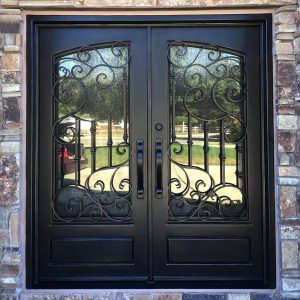
Entrance doors with stained glass serve a dual role that few other entry products match: they act as a security barrier and a primary architectural statement simultaneously. For commercial and exterior residential applications, the buying decision hinges less on aesthetics alone and more on how the glass and frame system perform together under real-world conditions.
Before evaluating specific products, understand these core points:
- The frame material determines structural performance. Wood offers classic aesthetics but demands maintenance. Aluminum provides durability and slim sightlines. Fiberglass resists weathering but limits profile options. Each choice carries trade-offs in insulation, longevity, and cost.
- Glass technology matters more than the decorative pattern. A stained glass panel is only as good as its glazing construction. Tempered or laminated safety glass, proper sealing, and insulated units determine whether the door performs adequately on energy efficiency and security.
- Commercial and residential requirements diverge significantly. Building codes, traffic volume, and security needs push commercial buyers toward different specifications than homeowners.
- Customization is the norm, not the exception. Stained glass doors are rarely off-the-shelf products. Lead times, design constraints, and cost structures differ substantially between stock, semi-custom, and fully bespoke options.
Types of Entrance Doors with Stained Glass
The stained glass panel is the visible feature, but the door system surrounding it dictates performance. Buyers typically choose among four primary frame materials.
Wood Doors with Stained Glass
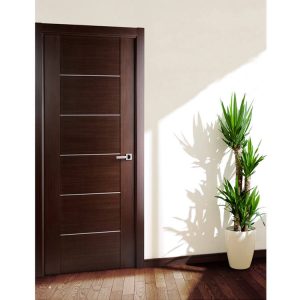
Solid wood remains the traditional choice for stained glass entryways. Hardwoods like mahogany, oak, and walnut offer natural grain that complements the handcrafted character of stained glass. Wood also provides reasonable natural insulation and allows for deep, recessed frames that protect the glass edges.
The trade-offs are maintenance and dimensional stability. Exterior wood doors require periodic refinishing — typically every one to three years depending on climate and finish quality. In regions with high humidity or significant temperature swings, wood can expand and contract, potentially stressing the glass panel if the frame design does not accommodate movement.
For commercial applications, wood doors require more frequent upkeep than other materials. They are better suited to covered entrances or low-traffic residential settings where the owner accepts ongoing maintenance.
Aluminum and Thermal-Break Aluminum Doors
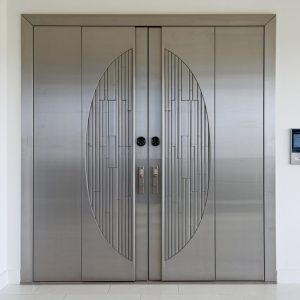
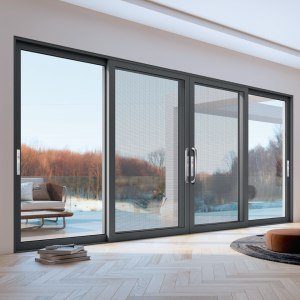
Aluminum is the dominant material for commercial entrance doors, and thermal-break aluminum has become increasingly popular for high-end residential projects as well. The thermal-break design separates the interior and exterior aluminum frames with a polyamide strip, significantly reducing heat transfer compared to standard aluminum.
The key advantages of aluminum for stained glass doors are structural rigidity and slim sightlines. Aluminum frames can support larger glass panels while maintaining narrow profiles, allowing the stained glass to be the visual focus. Powder-coated finishes provide durability and color flexibility, matching the frame to the glass palette.
Thermal-break aluminum doors perform well on energy efficiency when paired with insulated glass units. The material does not rot, warp, or require painting. For commercial entrances with high traffic and for contemporary residential architecture, aluminum is often the most practical choice.
Fiberglass and Steel Doors
Fiberglass doors mimic the look of wood grain while offering superior weather resistance. They do not dent, rust, or rot, and they hold paint or stain finishes well. Fiberglass provides excellent insulation values, making it a strong contender for energy-conscious residential buyers.
The limitation is profile flexibility. Fiberglass doors are typically manufactured in standard configurations, and accommodating a custom stained glass panel may require a specialized manufacturer. The thicker profiles can also make the door appear heavier than an aluminum or wood alternative.
Steel doors offer the highest security and lowest cost but are poor candidates for stained glass integration. The glass panel creates a thermal bridge and a potential rust point at the cutout. Steel doors with decorative glass are generally factory-produced with insulated glazing units rather than true stained glass. For most stained glass applications, steel is a marginal choice.
Glass Door Systems
For commercial applications, full-glass or nearly full-glass entrance systems with stained glass accents are an option. These systems use structural glass panels with stained glass as an interior layer or applied accent. They maximize natural light transmission but require careful specification of tempered or laminated glass to meet safety requirements.
Commercial vs. Exterior Residential: Key Differences
The application context changes nearly every specification decision.
Traffic volume. A residential front door sees dozens of openings per day. A commercial entrance in a retail or office setting may see hundreds. Hinges, closers, and frame reinforcement must be rated for the expected duty cycle. Commercial doors typically require heavy-duty hinges and surface-mounted or concealed closers.
Building codes. Commercial entrances fall under stricter codes, including the Americans with Disabilities Act (ADA) in the US, which governs clear widths, threshold heights, and operating forces. Fire ratings may apply to certain commercial openings. Safety glass requirements are more rigorously enforced in commercial settings. Residential codes are generally less prescriptive but still mandate safety glazing in doors and sidelites.
Security. Commercial entrances often need to meet specific security standards, including impact resistance and forced-entry deterrence. Laminated glass — which holds together when shattered — is more commonly specified for commercial applications. Residential buyers may prioritize laminated glass for burglary resistance or tempered glass for safety.
Energy performance. Commercial buildings are subject to energy codes that set maximum U-factor and solar heat gain coefficient (SHGC) values for fenestration. Residential projects face similar requirements but with more variability depending on climate zone and local codes. The stained glass itself affects these values, so the entire door assembly must be evaluated, not just the frame.
Comparison Table: Materials and Stained Glass Options
| Frame Material | Insulation Performance | Maintenance | Best Application | Security | Relative Cost |
|---|---|---|---|---|---|
| Solid Wood | Good natural insulation; depends on core construction | High — periodic refinishing required | Residential, covered entrances, traditional architecture | Good with reinforced locking; frame can be solid | High (material + labor) |
| Thermal-Break Aluminum | Excellent with insulated glazing; low U-factor | Low — powder-coated finish is durable | Commercial high-traffic, contemporary residential | Excellent — rigid frame, multi-point locking available | Medium to High |
| Fiberglass | Excellent — insulated foam core | Low — does not rot or dent | Residential, harsh climates | Good — strong but hollow-core options less secure | Medium |
| Standard Aluminum | Poor without thermal break | Low | Interior or mild climates; budget commercial | Good | Medium |
Stained Glass Construction Options
| Glass Type | Safety Rating | Insulation Value | Best Use Case | Notes |
|---|---|---|---|---|
| Single-Pane Tempered | Safety glass — shatters into small pieces | Low | Interior doors, decorative sidelites | Must be tempered in door applications per code |
| Laminated Tempered | Safety glass — holds together when broken | Moderate | Exterior doors, security-sensitive applications | PVB interlayer provides burglar resistance |
| Insulated Glass Unit (IGU) with Stained Panel | Depends on inner and outer panes | High — argon fill available | Exterior doors in cold climates | Stained glass is sealed inside the unit, protecting it from moisture |
| Decorative Film on Clear Glass | Depends on base glass | Depends on base glass | Budget option, retrofit | Not true stained glass; limited lifespan |
How to Choose the Right Stained Glass Door
Decision-making requires evaluating four factors in sequence: application, performance requirements, design constraints, and budget.
Step 1: Define the application. Is this a residential front door, a commercial storefront, or an office entry? The answer determines the structural requirements, code compliance needs, and hardware specifications.
Step 2: Establish performance targets. What U-factor does your climate require? What security level do you need? Check local building codes for safety glazing requirements. Most codes require tempered or laminated glass in doors and sidelites within a certain distance of the floor.
Step 3: Select the glass construction. For exterior doors, an insulated glass unit with the stained glass panel sealed inside is the most practical approach. This protects the stained glass from moisture, reduces condensation, and provides a reasonable insulation value. Single-pane stained glass should be reserved for interior applications or mild climates where energy performance is not a concern.
Step 4: Choose the frame material based on structural needs and maintenance tolerance. If you want slim sightlines and low maintenance, thermal-break aluminum is the strongest option. If you need traditional aesthetics and accept maintenance, wood is appropriate. If energy efficiency is the top priority and the design allows for thicker profiles, fiberglass performs well.
Step 5: Verify the manufacturer’s testing. Ask for air-tightness, water-tightness, and wind resistance test reports. These tests, conducted to standards like those from the American Architectural Manufacturers Association (AAMA) or equivalent international bodies, indicate whether the door system will perform in real-world conditions. A beautiful door that fails water penetration testing is a liability.
Additional Considerations: Installation, Maintenance, and Customization
Installation Requirements
Stained glass doors are significantly heavier than standard doors because of the glass panel and the reinforced frame needed to support it. Verify that the rough opening and wall structure can support the door weight. For commercial installations, the door frame must be properly anchored to the structural wall, not just the finished opening.
Improper installation is the leading cause of door performance failures, including air leakage, water intrusion, and hardware malfunction. For commercial projects, installation by a qualified contractor is typically required to maintain warranty coverage.
Maintenance and Care
The maintenance routine depends on the glass construction. For insulated glass units with the stained glass sealed inside, cleaning is straightforward: use a soft cloth and a mild glass cleaner on the exterior surfaces. Avoid abrasive cleaners and razor blades, which can scratch the glass or damage the frame finish.
For exposed stained glass panels — where the lead or zinc came is visible — cleaning requires more care. Use a soft brush or cloth with warm water and a pH-neutral soap. Avoid ammonia-based cleaners, which can degrade the putty or sealant holding the glass pieces. When cleaning, support the glass panel from behind to avoid putting pressure on the solder joints.
The frame material determines additional maintenance. Wood frames need periodic refinishing. Aluminum and fiberglass frames typically require only cleaning. Check the weatherstripping annually and replace it when it shows signs of wear.
Customization Options
Customization for stained glass doors generally falls into three categories:
Design customization. The stained glass pattern itself can be tailored to match architectural style, incorporate brand elements for commercial applications, or achieve specific privacy levels. Privacy is controlled by glass opacity — from fully transparent to heavily textured or opaque glass — and by the density of the pattern.
Size and configuration. Doors can be manufactured as single doors, double doors, or with matching sidelites and transoms. The stained glass can occupy a small vision panel or span most of the door surface.
Hardware and finish. Frame colors, handle styles, locking mechanisms, and hinge types can be specified to match the project’s design language. For commercial applications, hardware must meet accessibility standards and be rated for the expected traffic.
Cost Factors
Pricing for stained glass entrance doors varies widely based on several factors:
- Frame material. Aluminum and fiberglass are generally more affordable than premium hardwoods.
- Glass construction. Insulated glass units cost more than single-pane options but provide better performance.
- Stained glass complexity. A simple geometric pattern with a few glass colors is significantly less expensive than a detailed pictorial design with many pieces and colors.
- Custom vs. stock. Stock designs with standard sizes are the most economical. Semi-custom options allow size adjustments within a fixed design. Fully custom doors involve original design work and typically command a premium.
- Hardware quality. Commercial-grade hardware adds cost but is necessary for high-traffic applications.
FAQ: Your Top Questions Answered
What are the best materials for entrance doors with stained glass?
For commercial applications, thermal-break aluminum is the strongest choice due to its durability, slim sightlines, and low maintenance. For residential exterior doors, fiberglass offers excellent insulation and weather resistance, while wood provides traditional aesthetics at the cost of higher maintenance. The best material depends on your performance priorities and design context.
How do stained glass entrance doors compare in terms of energy efficiency?
The energy efficiency of a stained glass door depends on the entire assembly, not just the decorative panel. An insulated glass unit with the stained glass sealed inside, combined with a thermal-break aluminum or insulated fiberglass frame, can achieve performance comparable to standard glazed doors. Single-pane stained glass without insulation will perform poorly in extreme climates. Check the U-factor and SHGC ratings of the complete door system.
Are stained glass exterior doors secure?
Yes, when properly specified. Laminated glass — which holds together when shattered — provides strong resistance to forced entry. The frame and locking hardware are equally important. Multi-point locking systems and reinforced frames significantly increase security. Verify that the door meets the security standards applicable to your project.
What customization options are available for stained glass doors?
Customization covers the stained glass pattern, glass opacity, door size and configuration, frame material and color, and hardware selection. For commercial projects, patterns can incorporate branding elements. Sidelites and transoms can extend the stained glass design beyond the door itself.
How much do stained glass entrance doors typically cost?
Costs vary widely based on frame material, glass construction, design complexity, and whether the door is stock, semi-custom, or fully custom. Stock aluminum or fiberglass doors with simple stained glass panels are the most economical. Fully custom wood doors with detailed stained glass and insulated glazing represent the premium end of the market. Request itemized quotes from manufacturers to compare accurately.
What is the difference between commercial and residential stained glass doors?
Commercial doors must meet stricter building codes, including accessibility requirements, fire ratings, and safety glazing standards. They require hardware rated for high traffic volumes. Residential doors have more design flexibility and typically face less demanding code requirements. Energy code compliance also differs between commercial and residential projects.
How do I maintain and clean stained glass doors?
For sealed insulated units, clean the exterior glass with a mild glass cleaner and soft cloth. For exposed stained glass panels, use warm water and pH-neutral soap, and avoid ammonia-based cleaners. Support the panel from behind when cleaning to avoid stressing the came joints. Follow the frame manufacturer’s maintenance recommendations.
How We Meet These Standards as a Manufacturer
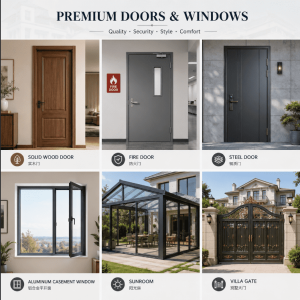
As a factory that produces thermal-break aluminum doors and windows, solid wood doors, and custom villa entry systems, we approach stained glass entrance doors with the same engineering discipline we apply to our commercial product lines.
Our manufacturing process addresses the key concerns outlined above. We produce doors with adjustable profile structures and fittings, allowing us to match local building codes and performance requirements of your target market. Whether you need compliance with specific energy codes, wind load requirements, or accessibility standards, the profile system can be adapted accordingly.
Every door undergoes pre-shipment inspection that includes air-tightness, water-tightness, and wind resistance testing. These tests verify that the complete door assembly — frame, glass, and hardware — performs to specification before the product leaves our facility. For stained glass doors specifically, we verify that the glazing unit is properly sealed and that the decorative panel is protected within the insulated glass construction.
We offer full customization on size, color, glass configuration, and hardware accessories. For stained glass projects, this means we can accommodate specific design dimensions, match frame colors to the glass palette, and source appropriate decorative glass. Our customization extends to OEM and ODM projects, where we manufacture to your specifications or develop original designs for your product line.
As a direct factory supplier, we provide complete export documentation, including packing lists, proforma invoices, and customs paperwork. We ship both FCL and LCL, delivering directly from our facility to your project site or distribution point.
If you are evaluating manufacturers for a stained glass entrance door project, we are prepared to discuss your specifications and provide test data and compliance documentation.
Contact our team to discuss your project requirements.