What Are Fiberglass Front Doors That Look Like Wood?
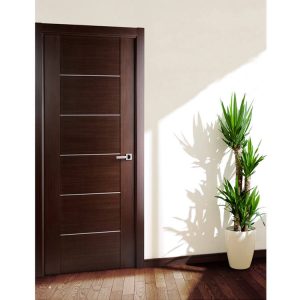
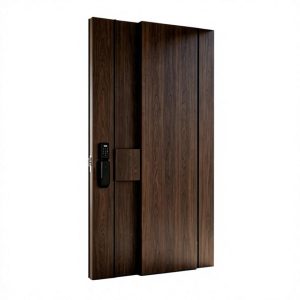
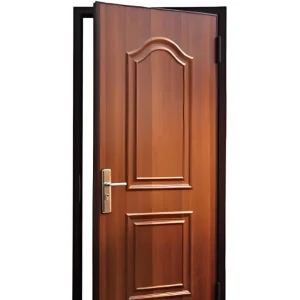
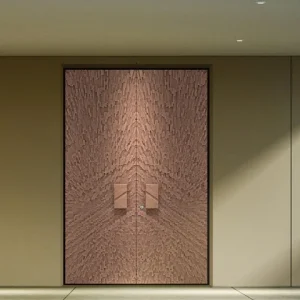
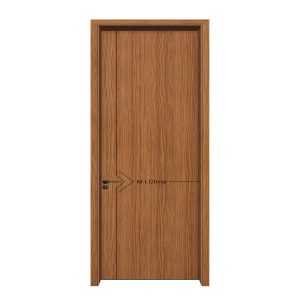
Yes, you can get the look of a wood front door with the durability of fiberglass. These doors feature a fiberglass composite skin molded from real wood grain and finished with stain to replicate species like oak, mahogany, or knotty alder, while offering better insulation and far less maintenance than solid wood.
The technology behind these doors matters for buyers. Manufacturers press fiberglass skins against actual wood planks to capture the grain pattern. The resulting texture is not printed but physically embedded in the material. When stained, light catches the grain the same way it does on natural wood. The core is typically polyurethane foam, which provides the insulation value. This construction delivers the aesthetic of a wood door without the common failure points: warping, splitting, and water damage at the bottom rail.
For commercial or residential projects where the entrance sets the tone, this combination of appearance and performance is the primary reason specifiers choose fiberglass over other materials.
Fiberglass vs. Wood vs. Metal: A Data-Driven Comparison
When comparing entry doors, the decision usually comes down to three materials. Each has a distinct trade-off profile.
| Factor | Fiberglass (Wood-Look) | Solid Wood (e.g., Knotty Alder) | Steel |
|---|---|---|---|
| Appearance | Molded grain, stainable, very realistic | Authentic grain, premium feel | Usually painted; wood-look finishes exist but look flat |
| Durability | Resists dents, won’t warp, rot, or split | Prone to warping and splitting with moisture changes | Dents easily; scratches lead to rust |
| Maintenance | Minimal; refinish every 3–5 years | Regular staining or painting every 1–2 years | Touch-up paint to prevent rust |
| Insulation (R-Value) | High (foam core) | Low to moderate (solid wood is not a great insulator) | Low unless foam-filled |
| Weight | Moderate | Heavy (hardware wear is a concern) | Moderate |
| Typical Lifespan | 30+ years | 15–30 years with upkeep | 15–25 years before rust or dent issues |
| Cost Range | Mid-to-high | High (especially for stable species) | Low-to-mid |
Fiberglass vs. Knotty Alder Front Doors
Knotty alder is a popular wood species for its rustic character and warm tones. A real alder front door offers genuine wood texture that is difficult to fully replicate. However, alder is a softer wood. It dents and scratches more easily than oak or mahogany, and it requires diligent sealing to prevent moisture absorption.
A fiberglass door molded from a knotty alder pattern captures the distinctive open and closed knots of that species. You get the visual character without the softness. For coastal climates or areas with high humidity swings, fiberglass is the more stable choice. The question is whether the tactile authenticity of real wood justifies the maintenance burden and higher cost over time.
Metal Front Doors That Look Like Wood
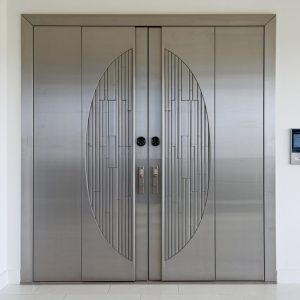
Steel doors with wood-grain embossing and wood-tone finishes exist, but there are fundamental limitations. The grain is pressed into the metal and painted, so it lacks the depth of a stained fiberglass door. More critically, steel dents. A stray bicycle handle or a hard impact leaves a permanent mark that cannot be repaired—only filled and repainted, which compromises the finish. Once the paint is scratched, moisture causes rust.
Fiberglass, by contrast, flexes slightly on impact and returns to shape. If the surface is scratched, the color runs through the material (in most finishes), so minor abrasions are less visible. For a wood aesthetic that must withstand real-world abuse, fiberglass is structurally superior to steel.
Standard Sizes and Configurations (Including One-Sidelight Options)
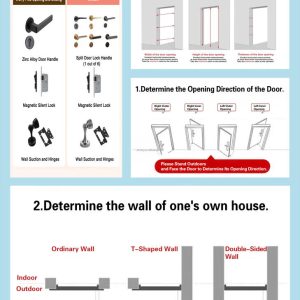
Door sizing follows rough opening (RO) conventions. The actual door slab is typically 2 inches less in width and 1 inch less in height than the rough opening to allow for shimming and the door frame.
| Configuration | Rough Opening Width | Rough Opening Height | Common Door Slab Size |
|---|---|---|---|
| Single Door (36″) | 38″ | 82.5″ | 36″ x 80″ |
| Single Door (42″) | 44″ | 82.5″ | 42″ x 80″ |
| Single Door (36″) – Tall | 38″ | 98.5″ | 36″ x 96″ |
| One Sidelight (Left or Right) | 60″ | 82.5″ | 36″ door + 12″ sidelight |
| One Sidelight (Wide) | 66″ | 82.5″ | 36″ door + 18″ sidelight |
| Double Doors (36″ Each) | 74″ | 82.5″ | 72″ total (two 36″ slabs) |
Note: Sidelights are measured as the total width of the unit. A “one-sidelight” configuration typically places the active door on one side with a fixed glass panel beside it.
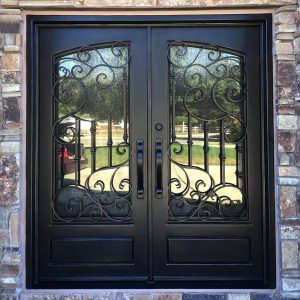
A fiberglass front door with one sidelight is a common configuration for buyers who want more natural light without the full glass area of a half-lite door. The sidelight is usually a separate unit that is joined to the door frame during installation. When ordering, confirm whether the sidelight ships as a pre-hung unit with the door or as a separate component.
Staining and Finishing: Achieving a Realistic Wood Grain
A common misconception is that fiberglass doors come pre-finished in a single color. In reality, many are primed at the factory and designed to be stained on-site. This is where a buyer has control over the final appearance.
The process is straightforward: apply a gel stain, which sits on the surface and settles into the molded grain valleys, then wipe off the excess. The result mimics the way stain penetrates real wood—darker in the grain lines, lighter on the high points. This is why stainable fiberglass front doors look more realistic than painted ones; the finish has depth.
Key finishing considerations:
- Use gel stain, not liquid stain. Liquid stain is absorbed unevenly by the fiberglass resin. Gel stain provides consistent color.
- Choose a stain color that matches the wood species pattern. If the door is molded from an oak pattern, use an oak-toned stain. A mahogany pattern will not look right with a light maple stain.
- Apply a clear topcoat. The stain provides color, but a polyurethane or varnish topcoat protects the surface from UV fading and physical wear.
- Refinishing is less frequent than wood. A fiberglass door typically needs refinishing every 3–5 years, compared to every 1–2 years for wood. The fiberglass does not absorb water, so the finish fails slower.
If the door is factory-finished, you lose the ability to customize the color but gain a uniform, warranty-backed finish. For projects where a specific color match is needed, field finishing offers more flexibility.
Where Fiberglass Wood-Look Doors Work Best
The material choice should follow the project’s environmental and architectural demands.
- High-Humidity and Coastal Regions: Wood doors absorb moisture, causing the panels to swell and the frame to twist. Fiberglass is impervious to water absorption. In Florida or the Gulf Coast, fiberglass is the standard recommendation for exterior doors.
- Direct Sun Exposure: Dark-stained wood doors fade and dry out under intense UV exposure. Fiberglass does not dry out, and modern finishes include UV inhibitors that slow fading significantly.
- Modern and Transitional Architecture: While wood-look doors suit traditional craftsman or farmhouse styles, fiberglass also takes paint well. A smooth fiberglass door with a modern matte finish can suit a contemporary home, offering the same insulation benefits.
- High-Traffic Entrances: For commercial buildings or multi-family units where doors see constant use, the dent resistance of fiberglass is a practical advantage over steel.
For architectural styles that call for real wood—like a strict historical restoration—fiberglass may not be acceptable. But for new construction or renovations where the goal is the look of wood with modern performance, fiberglass is the rational choice.
Common Questions About Fiberglass Wood-Look Front Doors
Are fiberglass doors more durable than wood doors?
Yes, in the ways that matter for an exterior door. Fiberglass does not warp, rot, split, or swell. The polyurethane foam core provides structural rigidity without the weight of wood. Impact resistance is also superior—fiberglass skins flex and recover, while wood dents permanently. The primary vulnerability of fiberglass is the finish, which will degrade over time and needs periodic refinishing.
What is the price range for a fiberglass wood-look front door?
Pricing varies significantly based on size, glass area, and finish. A basic single 36″ x 80″ primed fiberglass door unit typically ranges from $800 to $1,500. A pre-finished door with a decorative glass lite and sidelight can reach $3,000 to $5,000 or more. For a realistic estimate, factor in installation costs, which vary by region and whether the unit is a retrofit or new construction. The value calculation should include the reduced maintenance cost over a 20-year period compared to wood.
Do fiberglass doors dent or warp?
Fiberglass is resistant to denting from normal impacts. A sharp blow can crack the skin, but this is a rare occurrence compared to the regular dents steel doors receive. Warping is not a typical failure mode for fiberglass doors because the material does not absorb moisture and the foam core resists thermal expansion. The most common issue is finish failure from UV exposure, not structural deformation.
Related Considerations: Sidelights, Alder, and Metal Alternatives
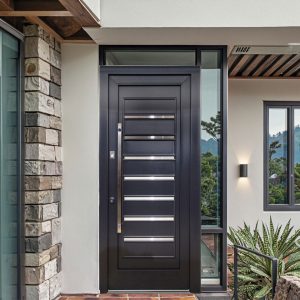
Fiberglass Front Door with One Sidelight
The one-sidelight configuration is a design choice that balances light and privacy. It also affects the door’s structural performance. A sidelight unit adds width to the opening, which means the header must be properly sized to carry the load above. When ordering, specify whether the sidelight is on the hinge side or the handle side of the door—this affects the swing direction and the interior layout.
Alder Front Door vs. Fiberglass Alder-Look
An alder front door is prized for its warm, rustic appearance. However, alder’s softness is a real drawback. It scratches and dents easily, making it a poor choice for a main entrance that sees daily use. A fiberglass door with an alder grain pattern offers the same visual character with superior durability. The trade-off is that the fiberglass door will not have the natural variations in grain that real wood exhibits, though modern molding processes capture the major characteristics of the species.
Metal Wood-Look Doors
For budget-conscious projects, a steel door with a faux wood finish is an option. These are typically the least expensive entry doors available. The finish is a printed or painted wood grain pattern, which looks acceptable from a distance but does not have the depth of a stained fiberglass door. The real limitation is the dent issue—steel doors in high-traffic applications will show wear quickly.
How to Source a Quality Fiberglass Front Door
The performance of a fiberglass door depends heavily on the quality of the molding and the construction of the frame. When evaluating suppliers, focus on a few key factors.
First, examine the grain pattern. High-quality fiberglass doors use molds taken from real wood, which produces a natural, random grain. Cheaper doors use repetitive patterns that look artificial. Second, check the frame construction. A pre-hung unit should have a composite or aluminum frame that resists rot, not a standard wood frame that defeats the purpose of a fiberglass door. Third, verify the door’s energy performance rating. The R-value of the foam core varies by manufacturer, and a higher R-value means better insulation.
As a manufacturer of entry doors and windows, we approach fiberglass wood-look doors with these same criteria. Our production process focuses on capturing the grain detail of species like oak and alder accurately, because that is what determines whether the finished door is convincing. We also offer customization on size and configuration, including one-sidelight units, so the door fits the architectural opening rather than forcing the opening to fit a standard door.
For buyers sourcing in volume, the key is consistency. We provide pre-shipment inspections that test for air-tightness, water-tightness, and wind resistance—the performance factors that determine how well the door will hold up in service. We also supply full customs documentation for international shipments, which simplifies the logistics of importing direct from the factory.
When you are comparing quotes, ask the supplier about their quality control process and whether they can adjust the profile structure to meet local building codes. A door that looks right but fails an energy code inspection is a costly mistake.
If you are evaluating a specific project, send us your rough opening dimensions and a photo of the existing entrance. We can advise on the best configuration and finish options for your climate and architectural style.
Contact our team to discuss your requirements.