What Is a Door Warehouse and Why It Matters for Builders
A door warehouse is a supplier or distribution center that stocks and sells doors in bulk, typically catering to builders, contractors, and construction projects rather than individual homeowners. Unlike a retail showroom where you pick a single pre-hung door off the floor, a warehouse operates on volume. You order in quantities, you get tiered pricing, and the inventory is organized around project needs—standard sizes, common materials, and finish options that move quickly on job sites.
The distinction matters for procurement. When you buy from a warehouse, you are not paying for the showroom experience, the design consultant, or the display inventory. You are paying for storage density and logistics efficiency. That is where the cost advantage comes from. A warehouse can hold thousands of units in a fraction of the space a retail store needs, and it moves them out in pallet quantities.
For a contractor managing multiple units or a commercial build, this changes the purchasing equation. You are not comparing one door against another on aesthetics. You are comparing supply chains: who can deliver the right quantity, at the right specification, on the right timeline. A warehouse that understands bulk procurement will quote you per unit with volume breaks, confirm stock availability in real time, and coordinate delivery schedules to match your build phases.
The key difference from a builders’ merchant is focus. A builders’ merchant typically carries a broad range of construction materials—timber, fixings, insulation, tools—with doors as one category among many. A door warehouse specializes. That specialization usually means deeper stock levels per door type, more knowledge about door-specific standards, and faster turnaround on replenishment.
Types of Doors You Can Source from a Warehouse
Warehouse inventory generally falls into a few broad categories, each with its own procurement considerations.
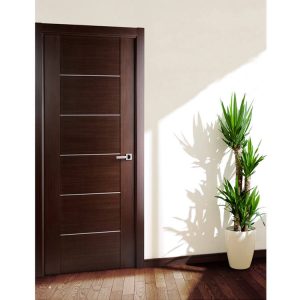
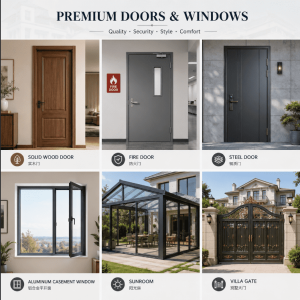
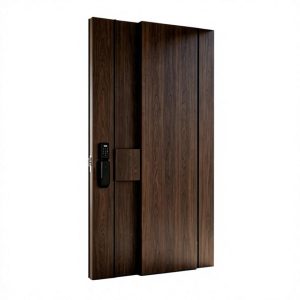
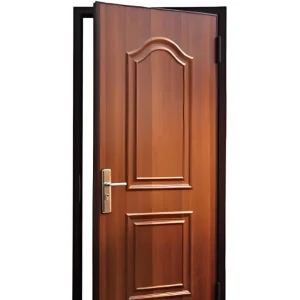
Solid wood doors remain a staple for residential and hospitality projects where appearance and acoustic performance matter. They are heavier, more expensive, and require more careful handling during transport. When sourcing solid wood in bulk, pay attention to moisture content and species stability. A door that arrives warped because it was stacked improperly during shipping is a cost you absorb, not the supplier.
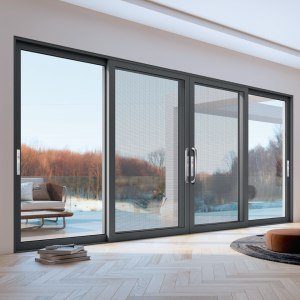
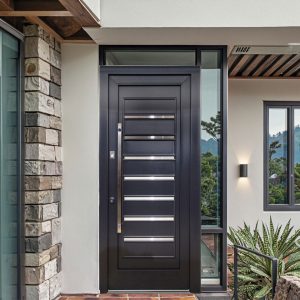
Thermal-break aluminum doors have become the default choice for exterior applications in commercial and high-end residential builds. The thermal break—a polyamide strip between the interior and exterior aluminum profiles—reduces heat transfer significantly compared to standard aluminum. For projects with strict energy codes, this is not a luxury; it is a compliance requirement. The frame depth, the type of gasket, and the glazing specification all affect the final U-factor.
System windows and doors refer to engineered product lines where the frame, hardware, and glazing are designed as a complete system rather than assembled from disparate parts. These typically offer better water tightness and air tightness because the components are tested together. For coastal or high-wind regions, this is worth prioritizing.
Casement and sliding doors cover the operational side of the range. Casement doors offer better sealing when closed, while sliding doors maximize opening width. The trade-off is straightforward: sliding doors are easier to operate and save space, but they generally have higher air leakage rates than casements because the sealing surfaces are more complex.
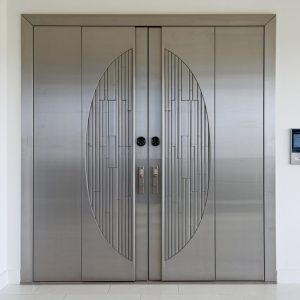
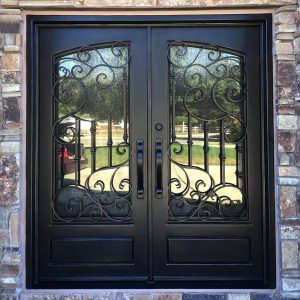
Aluminum entrance doors and custom villa doors round out the project-specific options. These are often manufactured to order rather than stocked, which brings us to the distinction between stock items and made-to-order items. Stock items are cheaper and faster. Made-to-order items give you control over dimensions, finishes, and hardware but require longer lead times.
Door Warehouse vs. Builders’ Merchant vs. Direct Factory: A Comparison
| Sourcing Option | Best For | Pricing | Lead Time | Customization | Key Trade-Off |
|---|---|---|---|---|---|
| Door Warehouse | Mid-size projects, standard specifications, fast replenishment | Volume discounts, no showroom overhead | Short to medium, stock items ship quickly | Limited to stocked variations | Limited customization, but good availability |
| Builders’ Merchant | Convenience, mixed material orders, emergency purchases | Higher per-unit cost, less negotiation room | Immediate to short | Very limited | Pay a premium for breadth of inventory and local availability |
| Online Retailer | Price comparison, standard sizes, small bulk orders | Competitive, transparent, but shipping can erode savings | Medium, depends on carrier | Minimal | No physical inspection, freight damage risk |
| Direct Factory | Large projects, custom specifications, OEM/ODM | Lowest per-unit cost, direct negotiation | Longer, but predictable with production planning | Full customization | Requires clear specifications, larger MOQs, and logistics coordination |
The decision framework comes down to three variables: volume, customization, and timeline.
If you need 50 standard steel doors next week, a warehouse or builders’ merchant wins on speed. If you need 200 custom-sized aluminum doors with specific thermal performance ratings for a villa project, the direct factory route is the only option that makes economic sense.
Warehouse vs. builders’ merchant: The warehouse wins on price for door-only orders. The merchant wins when you need doors plus other materials in a single delivery. The 10-15% price difference on doors often gets eaten by the cost of a separate delivery if you are also buying timber and insulation.
Direct factory vs. warehouse: The factory wins on price and customization. The warehouse wins on lead time and lower minimum order quantities. If your project can tolerate an 8-12 week production cycle, going direct-to-factory typically saves 20-30% compared to going through a distributor, because you are removing the middleman’s margin entirely.
How to Choose a Reliable Door Warehouse: Key Criteria
The term “warehouse” does not guarantee competence. A warehouse is only as good as its quality control and its ability to protect your project timeline. Here are the criteria that separate a reliable supplier from a storage unit with a loading dock.
Quality control and pre-shipment inspection. Ask what testing the supplier performs before products leave the facility. For exterior doors, the three tests that matter are air tightness, water tightness, and wind load resistance. These are not optional for exterior applications—they determine whether the door performs in real weather conditions. A supplier who cannot articulate their testing process for these parameters is a risk.
Compliance with local building codes. Building codes vary significantly by region. A door that meets European standards may not automatically comply with North American energy codes or wind-load requirements in hurricane zones. The supplier should be able to explain how their products map to your local code requirements, not just offer a generic “meets international standards” statement. Ask for specific test reports and certifications.
Logistics capability. Can the supplier handle both FCL (full container load) and LCL (less than container load) shipments? This matters more than you might think. For a small project, paying for a full container is wasteful. For a large project, splitting your order across multiple LCL shipments increases the risk of partial deliveries and damages. A supplier who manages both can match the shipping method to your actual order volume.
Documentation and customs support. If you are importing, the paperwork is half the battle. A reliable supplier provides packing lists, proforma invoices, and full customs documentation. Missing or incorrect paperwork causes port delays, storage fees, and missed installation deadlines. Verify that the supplier has experience with export documentation before committing.
Profile and hardware adjustment capability. This is the detail that separates a manufacturer from a trader. A trader sells what they have. A manufacturer can adjust profile structures and fittings to match local building codes and installation practices. If your project requires specific hardware configurations or frame dimensions that are not standard, you need a supplier with engineering flexibility.
Understanding Builders’ Doors: Standards and Specifications
A builders door is a door specified for construction projects rather than retail sale. The term covers a wide range of products, but the procurement logic is consistent: you are buying to a specification, not to a preference.
Material standards. For solid wood doors, the critical specifications are timber species, moisture content (typically 8-12% for interior use), and construction method (solid core vs. hollow core). For aluminum doors, the key parameters are alloy grade, profile wall thickness, and the quality of the thermal break. A reputable manufacturer should provide these specifications in writing.
Performance ratings. For exterior doors, the three ratings that matter are:
- Air tightness: measured in cubic meters per hour per square meter at a given pressure differential. Lower is better.
- Water tightness: classified by the pressure level at which water penetration occurs. Higher classes mean better resistance to driving rain.
- Wind load resistance: the maximum pressure the door can withstand without permanent deformation. Critical for high-rise and coastal buildings.
These ratings are not marketing claims—they are test results. Ask for the actual test reports, not just the claimed class.
Hardware and fittings. The hinges, locks, and handles on a builders door are not decorative. They determine security, durability, and ease of operation. For bulk orders, verify that the hardware is replaceable and sourced from known manufacturers. Proprietary hardware that can only be sourced from one supplier creates a maintenance liability for the building owner.
Energy efficiency. For exterior doors, check the U-factor (overall heat transfer coefficient) and, for glazed units, the SHGC (solar heat gain coefficient). Lower U-factors mean better insulation. The right values depend on your climate zone—a door that performs well in a temperate climate may be inadequate in a cold northern region or a hot desert climate.
Customization and OEM Options for Bulk Orders
Bulk purchasing does not have to mean accepting a standard product. Most serious manufacturers offer customization across four dimensions:
Size. Standard sizes cover most residential applications, but commercial projects and custom homes often require non-standard dimensions. A manufacturer can adjust the profile structure to accommodate larger or smaller openings. This is where a factory has a clear advantage over a warehouse that only stocks pre-made units.
Color and finish. Powder coating colors for aluminum, stain colors for wood, and laminate options are all customizable. The minimum order quantity for custom colors varies, so confirm this before committing. Some manufacturers offer a standard color palette with no MOQ premium, while custom colors may require a minimum quantity to justify the production setup.
Glass and glazing. Double glazing, triple glazing, low-E coatings, argon fill, tempered glass, laminated glass—the options are extensive. The right choice depends on the building’s location, orientation, and energy performance targets. A manufacturer can provide U-factor calculations for different glazing configurations, which is essential for projects with strict energy codes.
Hardware and accessories. Locking systems, handles, hinges, and even the color of the gaskets can be specified. For projects with security requirements, the hardware specification is often dictated by the project’s insurance or security consultant.
OEM and ODM. OEM (Original Equipment Manufacturing) means the manufacturer produces products to your specification, and you sell them under your brand. ODM (Original Design Manufacturing) means the manufacturer provides the design, and you brand it. For contractors and developers who want a consistent product across multiple projects, OEM arrangements provide quality control and brand consistency. The manufacturer handles the production, and you handle the specification.
The trade-off with customization is lead time and minimum order quantities. Standard products ship in weeks; custom products take longer. The key is to align your customization needs with your project timeline.
Logistics, Shipping, and Documentation: What to Expect
Door logistics are more complex than shipping boxes of components. Doors are large, heavy, and susceptible to damage. Here is what to plan for.
FCL vs. LCL. A full container load (FCL) is the most cost-effective option for large orders. You get the entire container, which means your doors are not mixed with other cargo, reducing the risk of damage. A less-than-container-load (LCL) shipment is for smaller orders—your goods share a container with others. LCL is more expensive per unit volume and carries a higher damage risk because your cargo is handled more times.
Packaging. Proper packaging is not optional. Doors should be wrapped, strapped, and protected with corner guards. Aluminum doors and windows need additional protection for the glass and the surface finish. Ask the supplier about their packaging standards—this is a reliable indicator of their overall quality control.
Documentation. For international shipments, you need:
- Packing list: details what is in each package, with dimensions and weights.
- Proforma invoice: the commercial invoice used for customs clearance.
- Bill of lading: the contract of carriage between you and the shipping line.
- Certificate of origin: required by some countries for tariff purposes.
A supplier with foreign trade experience will handle these documents correctly. Errors here cause delays and additional costs.
Lead times. Production lead times vary by product type and customization level. Standard stock items ship in days. Custom aluminum doors typically take 4-8 weeks. Large projects with specialized requirements can take longer. Always confirm the production schedule in writing and build in buffer time for customs clearance and inland transport.
Frequently Asked Questions About Buying Doors in Bulk
What is a door warehouse and how does it work?
A door warehouse is a specialized supplier that stocks doors in volume for builders, contractors, and construction projects. You order in bulk quantities, receive volume pricing, and coordinate delivery to your project site. Unlike retail showrooms, warehouses focus on inventory turnover and logistics efficiency rather than display and consultation.
What are the advantages of buying doors from a warehouse compared to a builders’ merchant?
The primary advantages are price and specialization. Warehouses offer lower per-unit costs because they operate without retail overhead and order in larger volumes. They also tend to have deeper knowledge of door-specific standards and faster replenishment for standard items. Builders’ merchants offer convenience for mixed-material orders but at a higher price for doors.
What types of doors are available from a door warehouse?
Most warehouses stock solid wood doors, thermal-break aluminum doors, system windows, casement doors, sliding doors, and aluminum entrance doors. The specific inventory depends on the supplier’s market focus. Some warehouses specialize in residential products, while others focus on commercial specifications.
How do I choose a reliable door warehouse for my construction project?
Evaluate four things: quality control processes (especially pre-shipment testing for air, water, and wind resistance), compliance with your local building codes, logistics capability (FCL and LCL shipping, packaging standards, customs documentation), and the ability to adjust profiles and hardware to match your project requirements.
What are builders doors and what standards should they meet?
Builders doors are doors specified for construction projects, purchased in bulk to a technical specification rather than as individual retail items. They should meet material standards (timber moisture content, aluminum alloy grade), performance ratings (air tightness, water tightness, wind load resistance), and applicable energy efficiency requirements for their intended location.
Can I customize doors when ordering in bulk from a warehouse?
It depends on whether you are buying from a stockist or a manufacturer. A stockist offers limited customization—typically color and hardware swaps on existing products. A manufacturer offers full customization across size, color, glass, and hardware. For significant customization, you need to go directly to a factory.
What shipping and documentation should I expect when importing doors?
For international shipments, expect to arrange FCL or LCL shipping, depending on your order volume. Documentation includes a packing list, proforma invoice, bill of lading, and potentially a certificate of origin. The supplier should provide these documents as part of their export service.
What is the typical lead time for bulk door orders?
Standard stock items ship within days. Custom aluminum doors typically require 4-8 weeks for production. Large projects with specialized specifications can take longer. Always confirm the production schedule in writing and factor in shipping time and customs clearance.
How We Meet These Standards as a Direct Manufacturer
When you compare sourcing options, the direct factory route becomes the most compelling choice for large projects or any order with significant customization. As a door and window manufacturer, this is how we approach the standards outlined above.
Our position is straightforward: we are a factory, not a trading company. We supply directly from our manufacturing facility, which means the middleman margin is removed from your cost structure. For a project ordering 50 or 500 doors, that difference is substantial. You are not paying for a distributor’s storage, marketing, or sales team—you are paying for the materials, the labor, and the production expertise.
On customization, we offer full flexibility across size, color, glass, and hardware. If your project requires a specific profile structure or hardware configuration to meet local building codes, we adjust the design rather than asking you to compromise. This is the practical difference between buying from a stockist and working with a manufacturer. Our engineers review your specifications, confirm the technical details, and produce exactly what your project requires.
Quality control is built into our process, not bolted on at the end. Every order undergoes pre-shipment inspection covering air tightness, water tightness, and wind resistance testing. These are not generic claims—they are test procedures that verify the product performs to its rated specifications. For international buyers, we provide packing lists, proforma invoices, and full customs documentation, and we handle both FCL and LCL shipments to match your order volume.
We also recognize that building codes vary by market. Our profile structures and fittings are adjustable to match the regulatory requirements of your target region. If you are importing doors for a project in a specific jurisdiction, we confirm the relevant standards before production begins, not after the shipment arrives.
If you are evaluating whether a direct factory relationship makes sense for your next project, the key question is whether your order volume and customization needs justify the longer production lead time. For standard, off-the-shelf requirements, a local warehouse may be faster. For anything custom, or for any project where per-unit cost is a deciding factor, the direct factory route is worth the planning.