Farmhouse Front Door Materials: Wood, Fiberglass, and More
The material determines the door’s lifespan, energy efficiency, maintenance schedule, and price. Here is how the four main options compare.
Solid Wood
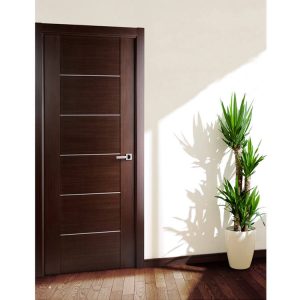
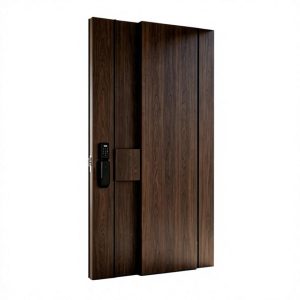
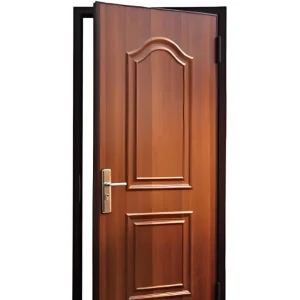
Wood is the traditional farmhouse material. It offers natural insulation, a warm appearance, and can be carved, routed, or left with a rough-sawn texture. Common species include mahogany, oak, knotty alder, and pine.
Trade-offs: Wood expands and contracts with humidity, which can cause warping or sticking. It requires refinishing every one to three years, depending on sun exposure. Exterior-grade finishes help, but a wood door is a long-term maintenance commitment. It is also the most expensive material, especially for exotic hardwoods.
Fiberglass
Fiberglass doors are engineered to replicate wood grain. They consist of a fiberglass skin over a polyurethane foam core. This construction provides an R-value (thermal resistance) typically higher than wood and significantly higher than steel.
Trade-offs: Fiberglass does not warp, rot, or dent. It can be painted, though the grain texture may show through after a few coats. The finish is more durable than wood but less forgiving than steel if you want a perfectly smooth, modern surface. It is moderately priced, usually between wood and steel. The main downside is that cheaper fiberglass doors can look artificial up close.
Steel
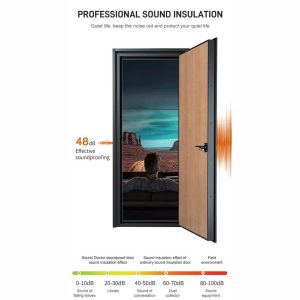
Steel doors offer the highest security and the lowest cost. They are typically filled with polyurethane foam for insulation. Modern steel doors can be embossed with wood-grain textures, but the pattern often looks uniform and less convincing than fiberglass.
Trade-offs: Steel dents easily. A dropped tool, a bicycle handle, or a strong kick can leave a permanent mark. If the paint is scratched down to the metal, rust will follow. Steel is also a poor insulator compared to fiberglass unless the core is thick, which makes the door heavier. It is the best choice for a tight budget or a rental property, but not for a home where the entry door is a design centerpiece.
Aluminum
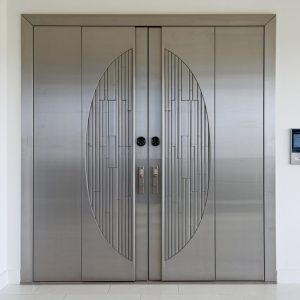
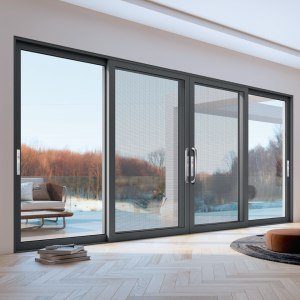
Aluminum is rarely used for solid residential entry doors because it conducts heat and cold readily. However, it excels in thermal-break aluminum systems used for custom villa doors and large-format entries. These use a polyamide strip to separate the interior and exterior frames, reducing heat transfer.
Trade-offs: Aluminum is corrosion-resistant, making it ideal for coastal homes where salt air destroys steel and damages wood finishes. It is also strong enough to support large glass panels, which is why many modern farmhouse doors with full-lite glass use aluminum frames. The cost is comparable to wood, and the aesthetic is more industrial than rustic.
Farmhouse Front Door Styles: Black, Modern, Sidelights, and Windows
The material is the engineering; the style is the personality. Farmhouse style splits into two broad camps: rustic/traditional and modern.
Rustic and Traditional
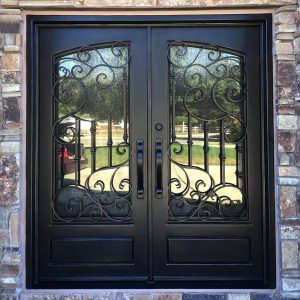
Rustic farmhouse doors feature natural wood, often with visible grain, wrought-iron hinges, and a barn-door aesthetic. They may include vertical plank detailing or a cross-buck pattern. These doors suit homes with stone exteriors, board-and-batten siding, or wrap-around porches.
Modern Farmhouse
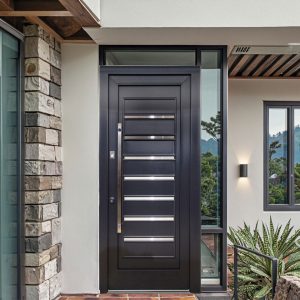
Modern farmhouse pairs clean lines with classic elements. The most recognizable feature is the black farmhouse front door. This is typically a fiberglass or steel door painted in a matte or satin black finish, often with a simple glass lite or a row of small windows at the top. The black color contrasts sharply with white or light-gray siding, creating the signature modern farmhouse look.
Black Farmhouse Front Door with Sidelights
A black farmhouse front door with sidelights is one of the most requested configurations. Sidelights are narrow vertical windows flanking the door. They flood the entryway with natural light and visually widen a narrow facade.
Is this a good choice? Yes, if your entryway has enough width. A door with two sidelights typically requires a rough opening of at least 56 inches. This configuration works best on a porch or a covered entry, as sidelights are a significant source of heat loss if directly exposed to the sun. They also reduce the wall space available for furniture or coat hooks inside the entry.
Farmhouse Front Door with Window
A farmhouse front door with window can range from a small oval lite to a full-length glass panel. For privacy, consider obscured glass or frosted film. For a traditional look, use divided lites (multiple small panes). For a modern farmhouse, a single large pane of clear glass with a black frame is the current trend.
Porch Farmhouse Front Door
If your door opens onto a porch, you have more flexibility with materials. A covered porch protects the door from direct rain and sun, extending the life of wood finishes. However, a porch does not protect against humidity or temperature swings. A wood door on a screened porch still needs regular maintenance.
Farmhouse Front Door Comparison Table
| Material | Price Range | Durability | Insulation (R-Value) | Maintenance | Best For |
|---|---|---|---|---|---|
| Solid Wood | Highest | Good, but prone to warping | Moderate (R-5 to R-7) | High — refinish every 1-3 years | Authentic rustic look, custom homes |
| Fiberglass | Medium-High | Excellent — no rot, dent, or warp | High (R-8 to R-12) | Low — repaint every 5-10 years | Most climates, low-maintenance buyers |
| Steel | Lowest | Good, but dents and rusts | Moderate (R-3 to R-6) | Low — touch up scratches promptly | Budget builds, security-focused buyers |
| Aluminum (thermal-break) | High | Excellent in coastal/salt air | High, depends on core | Low — anodized or powder-coated finish | Modern farmhouse with large glass, coastal homes |
How to Choose the Right Farmhouse Front Door
Step 1: Measure the Rough Opening
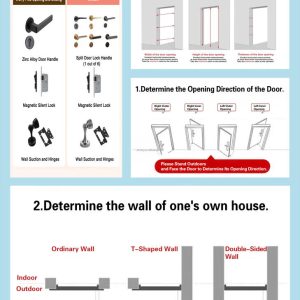
The rough opening is the framed hole in your wall, not the size of your existing door. Measure the width and height of the opening from stud to stud and from the floor to the header. A standard single door is 36 inches wide and 80 inches tall, but the rough opening is typically 38 by 82 inches to allow for shimming and leveling. If you are adding sidelights, add 12 to 16 inches per side.
Step 2: Match the Material to Your Climate
- Coastal areas: Choose fiberglass or thermal-break aluminum. Salt air corrodes steel and deteriorates wood finishes rapidly.
- Extreme cold: Fiberglass with a polyurethane core offers the highest R-value and prevents condensation on the interior surface.
- Hot, sunny climates: A wood or fiberglass door with a light-colored finish will resist UV damage better than a black door, which absorbs heat and can warp over time.
- Mild, temperate climates: Steel is acceptable, but fiberglass is still a better long-term investment.
Step 3: Consider the Door’s Orientation
A door facing west receives harsh afternoon sun. A black door in this position will get hot to the touch and may fade. If you want a black farmhouse door, ensure it is fiberglass (which handles UV better than wood) and consider a covered porch for shade.
Step 4: Evaluate Hardware and Accessories
The handle, hinges, and knocker define the farmhouse aesthetic. Wrought-iron or matte-black hardware suits rustic and modern styles alike. Backset (the distance from the door edge to the handle center) is typically 2-3/8 or 2-3/4 inches. Handing (left or right) must be specified when ordering a pre-hung door. If you are unsure, check your existing door’s hinge side.
Step 5: Check Local Building Codes and HOA Rules
Before ordering, verify:
- Fire rating: Some jurisdictions require a 20-minute fire-rated door for entryways attached to a garage.
- Energy codes: Your region may mandate a maximum U-factor (thermal transmittance) for exterior doors.
- HOA restrictions: Some neighborhoods specify acceptable door colors, materials, or glass configurations.
Frequently Asked Questions
What is the difference between wood and fiberglass farmhouse front doors?
Wood offers authentic grain and a warm, traditional look but requires refinishing every one to three years and is prone to warping in humid climates. Fiberglass mimics wood grain, offers a higher R-value, does not warp or rot, and only needs repainting every five to ten years. Fiberglass is also typically lighter and less expensive than solid hardwood.
Are black farmhouse front doors with sidelights a good choice?
Yes, for a modern farmhouse aesthetic, a black door with sidelights is a strong choice. It provides natural light and visual width. However, sidelights reduce privacy and increase heat transfer. Ensure the glass is double-paned with a low-E coating, and consider the orientation of the door before committing to a black finish.
Can I customize a farmhouse front door to fit my porch?
Yes. Most manufacturers, including factory-direct suppliers, offer full customization on size, glass configuration, and hardware. You can specify a non-standard width or height to fit an existing rough opening. If your porch has a low ceiling, you may want a door with a shorter top lite to avoid blocking the transom window.
What is the average cost of a farmhouse front door?
Costs vary significantly by material, size, and glass. As a general guideline: steel doors range from a few hundred to around a thousand dollars; fiberglass doors typically cost more, with premium models exceeding that; solid wood doors are the most expensive, with custom hardwood models costing several thousand dollars. Installation labor, if not DIY, adds several hundred dollars. Shipping for a factory-direct order depends on weight and destination.
How do I maintain a wooden farmhouse front door?
Clean it twice a year with a mild soap solution. Inspect the finish annually for cracks or peeling. Sand and repaint or re-stain the door every one to three years. Use a high-quality exterior-grade polyurethane or paint. Ensure the door’s bottom edge is sealed, as this is where water wicks in first. If the door sticks in humid months, sand the binding edge slightly.
What are the benefits of a fiberglass farmhouse front door?
Fiberglass doors resist dents, rot, and warping. They offer superior insulation compared to steel, reducing energy costs. They can be painted any color, including black, and the finish lasts for years. They are also lighter than wood, making installation easier.
Additional Considerations: Porch, Exterior, and Custom Options
Porch Farmhouse Front Door: Installation Pitfalls
If you are replacing a door on a covered porch, check the threshold height. The bottom of the door should sit above the porch floor by at least 3/4 inch to prevent water ingress during heavy rain. If the porch floor is uneven, use a sill pan or a custom aluminum threshold to create a level base. Do not rely on caulk alone to seal the bottom — it will fail within a season.
Exterior Farmhouse Front Door: Weatherproofing
A pre-hung door (the slab pre-mounted in a frame) is easier to install and seal than a slab-only door. When installing, use flashing tape around the rough opening to direct water away from the frame. Apply backer rod and sealant between the frame and the wall, not just on the exterior surface. This prevents air and water infiltration.
Wooden Farmhouse Front Door: Custom Wood Species
If you choose wood, the species matters more than the brand. Mahogany is dense, stable, and naturally rot-resistant, making it the best hardwood choice for exterior use. Knotty alder is a budget-friendly softwood with a rustic appearance, but it dents easily and needs a tough finish. White oak has a closed grain that resists moisture better than red oak. Avoid pine for exterior doors unless it is a protected, covered entry.
Custom and OEM Options for Farmhouse Front Doors
For construction projects or unique architectural requirements, a factory-direct manufacturer offers advantages over retail showrooms. You can specify the exact profile, adjust the frame structure to meet local building codes, and order in bulk for a project. This is where the buying process shifts from picking a stocked item to engineering a product.
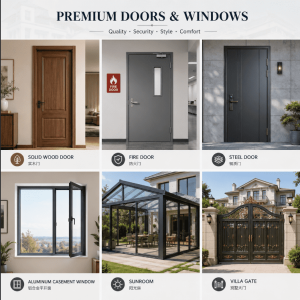
As a manufacturer, our approach at Jusen Door and Windows is to meet these standards directly. We supply solid wood, thermal-break aluminum, and system window doors from our factory, which means you avoid the middleman markup. We offer full customization on size, color, glass, and hardware. Before shipment, every unit goes through air-tightness, water-tightness, and wind-resistance testing. For international buyers, we provide complete customs documentation and handle both FCL and LCL shipments. If your project requires profiles or fittings adjusted to local building codes, we can adapt the structure during production.
If you are comparing options for a construction project or a custom home, the fastest way to get accurate pricing and lead times is to send your rough opening dimensions and a photo of your current entryway.