48-Inch Exterior Door: What You Need to Know
A 48-inch exterior door is a single door panel that is 48 inches wide, typically paired with an 80-inch height (48 x 80). It is a non-standard width. Most residential entry doors are 36 inches wide; 48 inches is significantly wider, which means it requires a larger rough opening, a reinforced frame, and heavier-duty hardware.
Buyers choose a 48-inch door for one of three reasons: to create a grander entrance, to accommodate accessibility needs (wheelchair or stretcher access), or to move large items like furniture and equipment through an opening without resorting to double doors. The trade-off is that a 48-inch single door is heavier than a standard door, which places more stress on hinges, the frame, and the surrounding wall structure. It is also not a stock item at most building supply retailers, so it generally requires a special order or custom manufacturing.
Types of 48-Inch Exterior Doors: Single, Split, and More
The term “48 exterior door” covers several configurations. Understanding the difference is the first decision point.
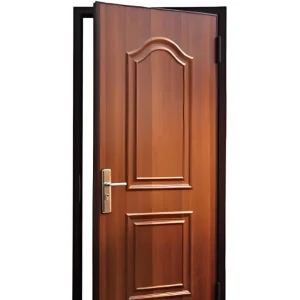
Single 48-inch door. One solid panel, typically hinged on one side. This is the most straightforward option if you need a wide opening and have the wall space for the door swing. The main concern is weight. A 48-inch steel or fiberglass door can weigh 150 to 200 pounds or more, depending on the core and glazing. Standard residential hinges (3.5-inch) are not sufficient; you will need heavy-duty hinges (4.5-inch or 5-inch) rated for the door’s weight, and the frame must be anchored securely to the wall studs.
Split exterior door (Dutch door). A single 48-inch-wide door that is divided horizontally into two independent halves that latch together. This is a niche option. It allows you to open the top half for ventilation while keeping the bottom half closed, which is useful in coastal or rural settings. The downside is added complexity: two sets of hinges, a center latching mechanism, and the need for the two halves to align perfectly. For a 48-inch width, a split door is less common than a standard single door, and the hardware cost is higher.
Double doors (two 24-inch panels). Often used as an alternative to a single 48-inch door. The total opening is the same, but the configuration is different. Double doors reduce the weight per panel (each is roughly 24 inches wide), which makes them easier to operate and puts less stress on the frame. However, they require a center meeting stile or an astragal, and one leaf is usually fixed (inactive) while the other is active. If you need to move large objects through the opening regularly, a single 48-inch door is simpler because you only open one panel. If you want the option of a wide-open entrance for occasional use, double doors are more practical.
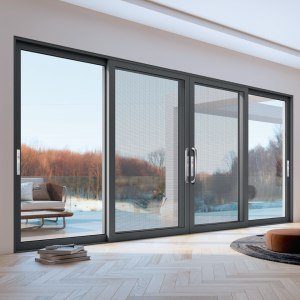
Sliding 48-inch door. A single 48-inch-wide panel that slides horizontally on a track rather than swinging. This is a good choice when interior or exterior swing space is limited. The trade-off is that the track and rollers must be rated for the door’s weight, and the threshold is typically higher than a hinged door, which can be a trip hazard. Sliding doors also tend to have slightly lower air and water infiltration performance than hinged doors because the seal at the meeting edges is harder to compress.
Custom 48-inch doors. If none of the standard configurations fit your opening, a custom manufacturer can build a door to your exact dimensions. This includes adjusting the height beyond the standard 80 inches, changing the jamb width to match your wall thickness, or adding custom glazing. Custom is the most expensive route, but it is the only way to get a precise fit for an existing or non-standard opening.
Material Comparison: Which 48-Inch Door Is Right for You?
The material determines the door’s weight, durability, insulation value, and maintenance level. For a 48-inch door, weight is a critical factor because it affects hardware selection and frame requirements.
Steel. Steel doors are the most common choice for exterior entrances in residential and light commercial applications. They offer the best security for the price and are relatively low maintenance. The core is typically polyurethane foam, which provides good insulation. The downsides are that steel dents easily (a hard impact leaves a permanent mark) and the exterior surface gets hot in direct sun, which can be an issue in warm climates. For a 48-inch door, steel is a practical option because it is lighter than solid wood of the same size.
Fiberglass. Fiberglass doors are engineered to mimic the look of wood without the maintenance. They do not dent, do not rust, and are excellent insulators. The surface can be painted or stained. Fiberglass is slightly more expensive than steel but significantly more durable over time. For a 48-inch door, fiberglass is often the best material choice because it combines low weight with high structural rigidity, which reduces the strain on hinges and frame.
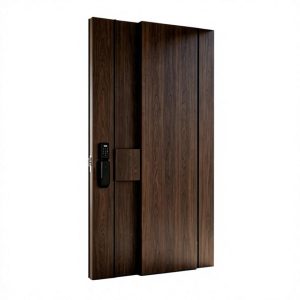
Wood. Solid wood doors offer the best aesthetics and can be custom-carved or detailed. They are also the heaviest option, which is a real concern at 48 inches wide. A solid wood door of that size can easily weigh 200 to 300 pounds, requiring heavy-duty hinges, a reinforced frame, and potentially a floor spring or pivot hinge to distribute the weight. Wood also requires regular refinishing to protect against moisture and UV damage. Wood is the right choice only if aesthetics are the top priority and you are prepared for the maintenance and hardware costs.
Aluminum. Aluminum doors are common in commercial applications and modern architecture. They are lightweight, strong, and resistant to corrosion, but they have poor thermal performance unless they use a thermal break (a plastic insert between the interior and exterior aluminum sections). For residential use, aluminum is less common than steel or fiberglass, but for a 48-inch door in a modern or commercial setting, it is a valid option. Look for thermally broken profiles if energy efficiency matters to you.
48 x 80 Exterior Doors: Sizing and Installation Tips
The nominal size of a door (48 x 80) is not the actual size of the door slab. A 48-inch door slab is actually about 47.5 inches wide and 79.5 inches tall. The difference accounts for the gap between the door and the frame, which is needed for the door to swing freely.
The rough opening is the framed opening in the wall into which the door unit (door slab plus frame) is installed. For a 48-inch door, the rough opening width is typically 49.5 to 50 inches, depending on the manufacturer and the jamb width. The rough opening height is typically 81.5 to 82.5 inches. These dimensions are not universal. Always check the manufacturer’s spec sheet for the specific door unit you plan to buy.
The jamb width must match your wall thickness. Standard wall thicknesses are 4-9/16 inches (for 2×4 framing with drywall and siding) and 6-9/16 inches (for 2×6 framing). If your wall is thicker, you will need a custom jamb extension.
Installation of a 48-inch door is not a DIY project for most homeowners. The door is heavy, and the frame must be perfectly plumb and square. The header above the door must be sized to carry the load of the wall above the opening. For a 48-inch opening, the header is typically a double 2×10 or an engineered beam, depending on the load. If you are retrofitting a 48-inch door into an existing wall, you will need to cut the siding, remove the existing framing, install a new header, and re-frame the opening. This is structural work that requires a building permit in most jurisdictions.
One common retrofit scenario is replacing a 36-inch door with a 48-inch door. This requires widening the opening by 12 inches, which means moving or adding studs, extending the header, and patching the siding and interior drywall. The cost of the structural work often exceeds the cost of the door itself.
Comparison Table: 48-Inch Exterior Door Options
| Type | Material | Pros | Cons | Price Range (USD) |
|---|---|---|---|---|
| Single, prehung | Steel | Secure, affordable, low maintenance | Dents easily, can feel heavy to operate | $400 – $1,200 |
| Single, prehung | Fiberglass | Durable, energy-efficient, wood look without maintenance | More expensive than steel | $800 – $2,000 |
| Single, custom | Wood | Best aesthetics, fully customizable | Heavy, requires maintenance, expensive hardware | $1,500 – $4,000+ |
| Split (Dutch) | Wood or Fiberglass | Top half opens for ventilation | Complex hardware, higher cost, alignment issues | $1,200 – $3,000 |
| Double doors | Steel or Fiberglass | Easier operation, flexible opening width | Requires center astragal, more moving parts | $1,000 – $2,500 |
| Sliding | Aluminum or Fiberglass | Saves swing space, modern look | Higher threshold, slightly lower weather seal | $1,500 – $3,500 |
Prices are estimates for the door unit only, excluding installation, and vary significantly by brand, glazing, and hardware.
How to Choose a Reliable Manufacturer
When you buy a 48-inch door, you are not buying a stock item. You are commissioning a product that must be built to specific dimensions, tested for performance, and shipped without damage. The manufacturer you choose determines whether the door fits, performs, and lasts.
Check for performance testing. A wide door is more susceptible to air and water infiltration than a standard door because the seal length is longer. Ask the manufacturer for test reports on air-tightness, water-tightness, and wind resistance. These tests are conducted according to standards like ASTM E283 (air leakage), ASTM E547 (water penetration), and ASTM E330 (wind load). A manufacturer that cannot provide these reports is not a reliable supplier for a non-standard door.
Verify the profile structure. For aluminum doors, the profile must have a thermal break. For steel and fiberglass doors, the frame must be reinforced to handle the weight. Ask about the frame construction and the hinge reinforcement. A 48-inch door needs hinges that are rated for the door’s weight, and the frame must have solid blocking at the hinge locations.
Confirm customization capability. Your opening may not match a standard 48 x 80 size. A reliable manufacturer should be able to adjust the width, height, jamb width, and threshold type to match your rough opening. They should also be able to accommodate local building codes, such as egress requirements or hurricane wind-load ratings, by adjusting the profile structure and fittings.
Evaluate logistics. A 48-inch door is large and heavy. Shipping costs can be significant, especially for international orders. A manufacturer with export experience should be able to provide proper packing (wooden crates or heavy-duty cardboard with corner protectors), a packing list, and the necessary customs documentation. They should also offer both full container load (FCL) and less-than-container-load (LCL) shipping options, depending on your order volume.
Here is how we meet these standards. As a factory-based manufacturer, we build 48-inch exterior doors to order, which means we can adjust the size, glass, color, and hardware to match your specific opening and local building codes. Every door is tested for air-tightness, water-tightness, and wind resistance before shipment, and we provide the test reports along with the packing list and customs documents. For large orders, we can ship FCL directly from our factory; for smaller orders, LCL is available. If you are working with a non-standard opening or need a door that meets a specific performance rating, Contact Our Team with your rough opening dimensions and we will confirm what is possible.
Frequently Asked Questions About 48-Inch Exterior Doors
What is the rough opening for a 48-inch exterior door?
The rough opening is typically 49.5 to 50 inches wide and 81.5 to 82.5 inches high, but it varies by manufacturer and jamb width. Always check the door unit’s spec sheet before framing.
Are 48-inch exterior doors standard or custom?
They are non-standard. While some manufacturers offer 48-inch doors as a catalog item, they are not stocked at retail. They are built to order, which means you should expect a lead time of 2 to 6 weeks.
What is the difference between a 48-inch single door and double doors?
A single 48-inch door is one panel that swings on heavy-duty hinges. Double doors are two panels (usually 24 inches each) with a center astragal. A single door is simpler to operate and better for frequent use. Double doors are easier to handle per panel and allow you to open only one leaf when full width is not needed.
What materials are best for a 48-inch exterior door?
Fiberglass is the best all-around choice for a 48-inch door because it is lightweight, durable, and energy-efficient. Steel is a more affordable option with similar insulation, but it dents. Wood is the heaviest and requires the most maintenance, but it offers the best aesthetics.
How much does a 48-inch exterior door cost?
Expect to pay between $400 and $4,000 for the door unit alone, depending on material, glazing, and whether it is custom. Installation costs are additional and can be $500 to $1,500 or more, especially if the opening needs to be widened.
Can I customize a 48-inch exterior door to fit my opening?
Yes. Customization is standard for this size. You can adjust the width and height, choose the jamb width to match your wall, select the glass and color, and specify hardware. Just provide your rough opening dimensions to the manufacturer.
Can a 48-inch door meet egress code requirements?
A 48-inch door can meet egress requirements because it is wider than the minimum 32-inch clear opening. However, the clear opening is measured with the door open 90 degrees, and the hardware must not reduce the clear width below the code minimum. Check your local building code for the exact requirement.
Do I need a special frame for a 48-inch door?
Yes. The frame must be reinforced to handle the door’s weight, and the hinges must be heavy-duty (4.5-inch or larger, rated for 150 pounds or more per pair). The frame must also be anchored securely to the wall framing.