Sliding Door Window Replacement: What It Involves
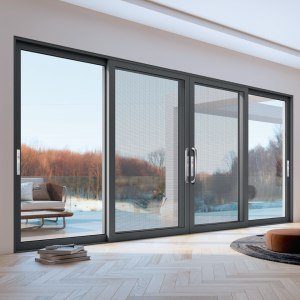
A sliding door window replacement means swapping out the glass panels, the frames, or the entire sliding glass door unit. In most cases, the trigger is a failed seal, cracked glass, or a frame that no longer insulates properly. The scope of work ranges from replacing a single insulated glass unit (IGU) to installing a completely new door system with new tracks and hardware.
The most common scenario is replacing the glass only. Sliding doors typically have two panels: one fixed and one operable. Each panel is a separate glass unit. When the seal fails, you get foggy glass and lost energy efficiency. When the glass cracks, you need immediate replacement for safety and security.
Sliding Door Window Replacement Cost: What to Expect
Pricing for sliding door window replacement varies significantly based on three factors: what you are replacing, the glass specification, and the frame material.
Glass-only replacement
If the frame is in good condition, replacing just the glass panel is the most economical route. For a standard 5/16″ tempered glass panel, expect to pay between $200 and $400 per panel including installation. For insulated double-pane units with low-E coating, the range moves to $350 to $800 per panel.
Panel replacement (glass + frame)
When the frame is damaged or you want to upgrade the entire panel assembly, costs rise. A complete sliding panel with frame, rollers, and hardware typically runs $500 to $1,200 per panel. This option is common when the existing frame has corrosion, warping, or poor weather sealing.
Full unit replacement
Replacing the entire sliding door system—both panels, the frame, and the track—is the most expensive option. Full unit costs range from $1,200 to $3,500 depending on size, material, and glass specification. This is the right choice when the existing door has structural issues, or when you want to upgrade to a more energy-efficient system.
Cost factors that matter
- Glass type: Tempered glass is required by code for doors. Laminated glass adds security. Low-E coatings and argon gas fill add energy performance and cost.
- Size: Larger panels require thicker glass and heavier frames, which increases both material and shipping costs.
- Frame material: Aluminum is generally the most economical; vinyl and wood cost more but offer different aesthetic and thermal properties.
- Customization: Non-standard sizes, colored frames, or specialized hardware add cost.
- Installation: Professional installation adds labor costs but ensures proper sealing and operation.
Key Specifications: Glass, Frames, and Sizing
Understanding specifications is essential for getting accurate quotes and avoiding costly mistakes.
Glass types for sliding doors
| Glass Type | Thickness | Key Properties | Best Use |
|---|---|---|---|
| Tempered | 5/16″ (8mm) | Safety glass, shatters into small pieces | Required for door panels by most building codes |
| Laminated | 5/16″ to 1/2″ | Holds together when broken, sound dampening | Security, noise reduction |
| Low-E coated | 5/16″ to 1/2″ | Reflects heat, reduces UV damage | Energy efficiency |
| Double-pane IGU | 1″ to 1-1/4″ | Two panes with air or argon gap | Insulation, condensation resistance |
Frame materials compared
- Aluminum: Lightweight, durable, and corrosion-resistant. Thermal-break aluminum frames incorporate a polyamide barrier to reduce heat transfer. This is the most common choice for commercial and high-traffic applications.
- Vinyl (PVC): Excellent thermal performance, low maintenance, and lower cost. Less structural rigidity than aluminum for very large panels.
- Wood: Classic appearance and good insulation, but requires regular maintenance and is susceptible to moisture damage.
- Aluminum-clad wood: Combines wood interiors with aluminum exteriors for durability and aesthetics. Premium cost.
Energy efficiency ratings
Look for U-factor and Solar Heat Gain Coefficient (SHGC) ratings. Lower U-factor means better insulation. For most climates, a U-factor of 0.30 or lower is recommended for sliding doors. Low-E glass with argon gas fill typically achieves U-factors between 0.25 and 0.35.
How to Measure for Replacement Sliding Glass Door Panels
Accurate measurement is the difference between a smooth installation and a costly reorder. Here is the correct method:
- Measure the width: Measure the glass opening from the inside edge of the left frame to the inside edge of the right frame. Take measurements at the top, middle, and bottom. Use the smallest measurement.
- Measure the height: Measure from the inside edge of the top frame to the inside edge of the bottom frame. Take measurements on the left, center, and right. Use the smallest measurement.
- Check for square: Measure both diagonals. If they differ by more than 1/8″, the frame is out of square and needs adjustment before ordering new glass.
- Determine glass thickness: Remove the interior trim or glazing bead to expose the glass edge. Measure the thickness of the existing glass unit.
- Note the panel configuration: Identify which panel is fixed and which is operable. This matters because the operable panel has rollers and a handle.
Common mistakes include measuring the entire door frame instead of the glass opening, and failing to account for the glazing bead thickness. When in doubt, provide the manufacturer with the full frame dimensions as well as the glass opening dimensions.
Replacement Options: Panels vs. Full Units
When to replace just the glass
- The frame is structurally sound and free of corrosion
- The glass is cracked, foggy, or has a broken seal
- The existing door operates smoothly and seals properly
- You want to upgrade to more energy-efficient glass without changing the frame
When to replace the full unit
- The frame is warped, corroded, or damaged
- The rollers and track are worn beyond repair
- You want to change the door configuration or size
- The existing door has poor air and water tightness
DIY vs. professional installation
Replacing a small glass panel in a well-maintained frame is a manageable DIY project for someone with basic tools and experience. However, consider professional installation when:
- The glass panel is large (over 15 square feet) and heavy
- The door is part of a structural wall or load-bearing system
- The frame needs repair or adjustment
- The door is under warranty—DIY replacement may void it
- Local building codes require permit and inspection
Professional installation typically takes 2 to 4 hours per door and includes proper disposal of old glass, which is important because tempered glass cannot go in regular trash.
How to Choose the Right Replacement Panels
Durability and weather resistance
For exterior doors, the frame and glass must withstand wind, rain, and temperature extremes. Thermal-break aluminum frames with proper weatherstripping provide the best combination of durability and insulation. Check the air-tightness and water-tightness ratings when evaluating options.
Security considerations
Sliding doors are a common entry point for burglars. Laminated glass provides significantly better security than tempered glass because it holds together when broken. Consider laminated glass for the fixed panel and a secure locking mechanism for the operable panel.
Aesthetics and customization
Frame color, glass tint, and hardware finishes should match the building’s design. Most manufacturers offer a range of standard colors and finishes. Custom colors are available but typically add cost and lead time.
Building codes and permits
Tempered glass is required for door panels in most jurisdictions. Some areas require laminated glass for doors within a certain distance of pools or at specific heights. Check local building codes before ordering. Permits are typically required for full unit replacement but may not be needed for glass-only replacement. Confirm with your local building department.
Why Work with a Factory Manufacturer?
When you need replacement panels in volume—for a multifamily building, hotel, or construction project—working directly with a manufacturer changes the procurement equation. Here is how we meet the standards serious buyers expect.
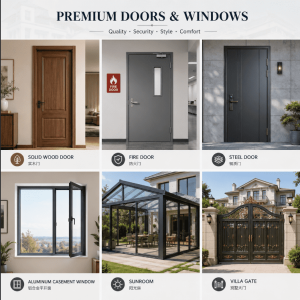
As a factory manufacturer, our approach to sliding door window replacement is built around direct supply and full customization. We produce thermal-break aluminum doors and windows, system windows, and custom villa doors and windows. Because we sell directly from the factory, there is no middleman markup on the panels or frames you order.
Our manufacturing process supports full customization on size, color, glass specification, and hardware accessories. This matters when you are replacing panels in existing frames with non-standard dimensions, or when you need to match a specific architectural style. We can also adjust the profile structure and fittings to match local building codes in your target market.
Quality control is built into our process. Every order undergoes pre-shipment inspection, including air-tightness, water-tightness, and wind resistance testing. For buyers managing construction projects, we provide complete export documentation including packing lists, proforma invoices, and customs paperwork. We ship both FCL and LCL, with direct delivery from our factory in China.
For buyers comparing suppliers, the key criteria are: does the manufacturer test its products to relevant standards, can it accommodate custom specifications, and can it provide the documentation needed for your project? These are the standards we meet.
Frequently Asked Questions
What is the average cost range for sliding door window replacement?
Glass-only replacement typically costs $200 to $800 per panel. Full panel replacement runs $500 to $1,200. Complete door unit replacement is $1,200 to $3,500. Final pricing depends on size, glass type, frame material, and whether installation is included.
What are the differences between replacing just the glass panel and replacing the entire sliding door unit?
Replacing just the glass keeps the existing frame and is more economical. Replacing the entire unit includes a new frame, track, and hardware. Full unit replacement is necessary when the frame is damaged, or when you want to upgrade the door’s overall performance and appearance.
What glass types are recommended for sliding doors?
Tempered glass is the minimum safety requirement for door panels. Low-E coated double-pane glass with argon gas fill is recommended for energy efficiency. Laminated glass is recommended for security applications or noise reduction.
How do I measure for replacement sliding glass door panels?
Measure the glass opening from inside edge to inside edge, both width and height, at three points each. Use the smallest measurement. Verify the glass thickness and note which panel is fixed versus operable.
What are the typical lead times and MOQs when ordering from a manufacturer?
Lead times and minimum order quantities vary with the manufacturer and the complexity of the order. Custom-sized glass panels generally require longer lead times than standard sizes. For project-specific requirements, contact the manufacturer directly to confirm current lead times and MOQ terms.
What should I look for in a reliable sliding door replacement supplier?
Evaluate the supplier’s quality control procedures, including testing for air-tightness, water-tightness, and wind resistance. Confirm they can meet your customization requirements and provide proper export documentation. For international orders, verify their shipping capabilities for both FCL and LCL shipments.