Best 36×80 Storm Door Choices at a Glance
If you need a 36×80 storm door, the best options are full-view aluminum models for maximum light and durability, self-storing units for year-round ventilation flexibility, and retractable-screen models for an unobstructed view when the screen is not in use. For energy efficiency, look for low-E glass with a U-factor of 0.30 or lower. For a classic aesthetic, a cedar screen door 36×80 offers natural warmth but requires more maintenance. Black storm doors 36×80 are a popular choice because dark finishes absorb heat in winter and hide dirt well, though they can get hot in direct summer sun. The right choice depends on your climate, door orientation, and whether ventilation or insulation matters more to you.
Types of 36×80 Storm Doors: Materials, Glass, and Screens
A 36×80 storm door is a pre-hung unit that fits a standard 36-inch by 80-inch entry door opening. The actual door slab is slightly smaller—typically 35.5 inches by 79.5 inches—to allow for clearance within the frame. Understanding the material, glass, and screen options is the first step in comparing what is available.
Material Comparison
Aluminum is the most common material for storm doors. It resists corrosion, handles temperature swings without warping, and requires almost no maintenance. Extruded aluminum frames are stronger than roll-formed ones; check the wall thickness if you are buying online. Aluminum is the best choice for coastal areas or regions with heavy rain and snow.
Steel offers superior impact resistance and security. A steel 36×80 storm door feels solid and is harder to force open. The trade-off is weight—steel doors are heavier and require a sturdy frame and hinges—and the risk of rust if the paint is scratched. Steel works well in high-traffic homes or areas prone to severe weather.
Wood storm doors, including cedar screen doors, provide a traditional look that aluminum cannot match. Cedar is naturally rot-resistant and takes stain well. The downsides are weight, maintenance (repainting or refinishing every few years), and the need to protect the wood from moisture. A cedar screen door 36×80 is a good fit for covered porches where the door is not directly exposed to rain.
Fiberglass is less common in storm doors but offers excellent insulation and resistance to dents and corrosion. It can mimic wood grain textures. Fiberglass is lightweight and stable, but it is also the most expensive material and has a more limited selection of styles.
Glass Options
Full-view glass uses a single large pane that covers the entire door. It maximizes natural light and provides the clearest view of the outside. Full-view doors are the best choice for front entries where appearance matters. They are also the easiest to clean.
Self-storing glass features a glass insert that slides up and down within the door frame, with a screen behind it. You can lower the glass in winter and raise it in summer to expose the screen. This design eliminates the need to swap panels seasonally and is the most practical option for most buyers.
Retractable screens roll up into a housing at the top of the door when not in use. This gives you a full-view glass door with the option of a screen that disappears. Retractable screens are convenient but add moving parts that can fail over time, and they are typically the most expensive option.
Screen Options
Standard screens are made from fiberglass or aluminum mesh. Fiberglass is more flexible and does not crease or dent; aluminum is stiffer but can dent. For pet owners, look for pet-resistant screen mesh that is thicker and more tear-resistant.
Cedar screen doors are a distinct category. They are typically full wood doors with a screen insert, rather than a combination storm-and-screen unit. They offer ventilation and a classic aesthetic but do not provide the insulation or weather protection of a glass storm door. Cedar screen doors are best for temperate climates where you want airflow without needing winter protection.
Comparison Table: Top 36×80 Storm Door Options
| Material | Glass Type | Color Options | Price Range | Best For |
|---|---|---|---|---|
| Aluminum | Full-view | White, black, bronze, brown | $150–$400 | Durability and low maintenance |
| Aluminum | Self-storing | White, black, bronze | $200–$450 | Year-round ventilation flexibility |
| Aluminum | Retractable | White, black, bronze | $300–$600 | Unobstructed views with screen option |
| Steel | Full-view | White, black | $250–$500 | Security and impact resistance |
| Wood (cedar) | Screen only | Natural wood, stainable | $200–$500 | Traditional aesthetics and airflow |
| Fiberglass | Full-view | White, black, custom colors | $400–$800 | Insulation and corrosion resistance |
Price ranges vary with brand, glass quality, and hardware. Expect to pay more for low-E glass, reinforced frames, and premium hinges.
How to Choose the Right 36×80 Storm Door for Your Needs
Measure Correctly Before You Buy
The nominal 36×80 size does not equal the actual door dimensions. Measure the width and height of the existing door opening from the inside of the brick mold or frame. The rough opening for a 36×80 storm door is typically 37.5 to 38 inches wide by 81.5 to 82 inches tall, but this varies by manufacturer. Always check the specific rough opening requirements in the product specifications before ordering. Common mistakes include measuring the door slab instead of the frame, ignoring out-of-square openings, and forgetting to account for threshold height.
Match the Door to Your Climate
In cold climates, prioritize a door with low-E glass and a low U-factor. The U-factor measures heat transfer; lower is better for insulation. Look for ENERGY STAR certification, which sets performance criteria by climate zone. In hot climates, consider the Solar Heat Gain Coefficient (SHGC), which measures how much solar heat passes through the glass. A lower SHGC keeps interiors cooler.
For homes in hurricane or high-wind zones, check that the door meets local impact-resistance requirements. Many manufacturers offer reinforced models rated for wind-borne debris.
Decide on Ventilation Needs
If you open your front door for fresh air, a self-storing or retractable screen model is worth the extra cost. If you rarely open the door, a full-view glass unit is simpler and less expensive. A cedar screen door 36×80 is a viable choice only if you have a separate storm door or live in a mild climate, because it offers no insulation.
Evaluate Hardware and Installation
Look for adjustable hinges and a pneumatic closer that allows you to control the closing speed. A door that slams shut will wear out quickly. Check that the handle and lock are compatible with your existing door and that the unit includes a door sweep to seal the bottom gap.
Installation is a DIY-friendly project if your opening is square and level, but it requires a helper and basic tools. If your opening is out of square or the threshold is uneven, professional installation is worth the cost. Improper installation voids most warranties, so follow the manufacturer’s instructions exactly.
Frequently Asked Questions About 36×80 Storm Doors
What is the difference between a 36×80 storm door with glass and one with a screen?
A glass storm door provides insulation and weather protection while allowing light in. A screen door provides ventilation but no insulation. Some models combine both, with self-storing or retractable screens that let you switch between glass and screen as needed.
Are black storm doors 36×80 a good choice for energy efficiency?
The color of the frame has a minor effect on energy efficiency. Dark colors absorb heat, which can slightly increase the surface temperature of the frame but does not significantly change the overall U-factor of the door. The glass type matters far more. Black is a good choice if you want a modern look and do not mind the door becoming warm to the touch in direct sun.
What are the benefits of a cedar screen door 36×80?
Cedar screen doors offer natural beauty, good airflow, and rot resistance. They are a strong choice for covered entries in mild climates. The trade-offs are maintenance—staining or sealing every few years—and the lack of insulation or weather protection.
How do I measure for a 36×80 storm door?
Measure the width and height of the opening from the inside of the frame, at three points each, and use the smallest measurement. Verify the rough opening size required by the manufacturer you choose. A 36×80 nominal door fits an opening approximately 37.5 to 38 inches wide and 81.5 to 82 inches tall, but always confirm with the product spec sheet.
What is the average cost of a 36×80 storm door?
Expect to pay between $150 and $800 for the door itself, depending on material, glass type, and brand. Aluminum full-view models are at the low end; fiberglass and retractable-screen models are at the high end. Add $100 to $300 for professional installation if you do not install it yourself.
What maintenance do 36×80 storm doors require?
Aluminum and fiberglass doors need minimal maintenance—periodic cleaning of the glass, frame, and tracks, plus lubrication of hinges and closers. Steel doors require touching up any scratches to prevent rust. Wood doors need refinishing every two to three years. Check the weatherstripping and door sweep annually and replace them when they show wear.
Additional Considerations: Glass, Black Finishes, and Cedar Screens
When comparing 36×80 storm doors with glass, pay attention to the type of glass. Single-pane glass is the baseline; double-pane and low-E glass provide better insulation. Tempered glass is required by code in many areas and is safer if the glass breaks. For south- or west-facing doors, low-E glass with a moderate SHGC reduces heat gain without sacrificing too much natural light.
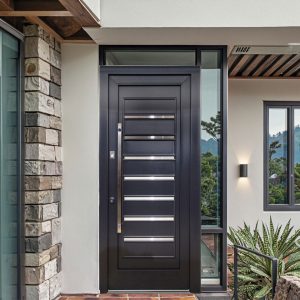
Black storm doors 36×80 are a design trend that is likely to stay. The dark finish creates a strong visual contrast against light-colored siding and works well with modern and traditional architecture. If you choose black, be aware that the finish will fade over time with direct sun exposure. Powder-coated finishes hold up better than painted ones.
Cedar screen doors 36×80 are worth considering if you want a screen door that looks like a piece of furniture rather than an aluminum utility item. They are available in solid wood or with composite materials that reduce maintenance. The best application is a covered porch or a door that faces north, where the wood is protected from direct rain and sun.
How We Meet These Standards: A Manufacturer’s Perspective
As a manufacturer of doors and windows, we understand that the specifications on a spec sheet do not tell the whole story. Here is how we approach the standards that matter for 36×80 storm doors.
We build to the actual opening, not just the nominal size. Our 36×80 units are manufactured with the precise clearances needed for a smooth fit, and we can adjust the profile structure and fittings to match the local building codes of your target market. If your project involves non-standard openings or existing frames that are out of square, we can customize the door dimensions during production rather than forcing you to adapt on site.
We test what we ship. Every unit undergoes pre-shipment inspection for air-tightness, water-tightness, and wind resistance. These are the performance metrics that determine whether a storm door actually protects your entry from the elements, and they are the same criteria you should use to evaluate any manufacturer.
We support both single-door buyers and bulk projects. Whether you need one 36×80 storm door for a home renovation or a container load for a construction project, we supply directly from our factory. That means no middleman markup on the unit price, and it means you can specify the glass type, color, and hardware that match your requirements rather than choosing from a limited catalog. For trade buyers, we provide full customs documentation and handle both FCL and LCL shipments.
If you are comparing manufacturers, ask how they handle warranty claims, whether their stated dimensions include installation tolerances, and whether they can provide performance test data for the specific model you are considering. Those answers will tell you more than any marketing copy.
Contact our team to discuss your requirements or request a quote for your project.