What Are Rustic Cabin Doors?
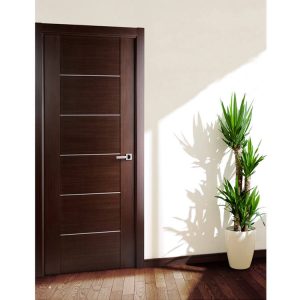
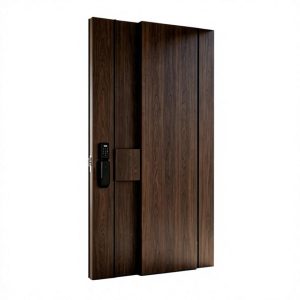
Rustic cabin doors are solid wood or wood-look doors designed for cabins, lodges, and rustic-style homes. They feature natural textures, log or plank designs, and are available in swing, sliding, or swing-and-slide configurations. Unlike standard interior doors, rustic cabin doors prioritize a handcrafted aesthetic—visible grain, knots, and varied coloring—over the uniform finish of mass-produced options. They serve both interior and exterior applications, from bedroom and bathroom entries to main entrance doors.
The defining characteristic is the material and construction. True rustic doors use solid wood—often pine, cedar, oak, or fir—cut in plank or log styles. The finish is typically matte, oiled, or lightly stained to preserve the natural look, rather than painted with glossy coatings. This is a functional choice as much as an aesthetic one: the porous nature of these woods allows them to breathe, which is important in uninsulated or seasonally occupied cabins where humidity fluctuates significantly.
Rustic Cabin Door Types: Swing, Sliding, and More
The three primary configurations for rustic cabin doors are swing, sliding, and swing-and-slide. Each serves a different spatial and functional purpose.
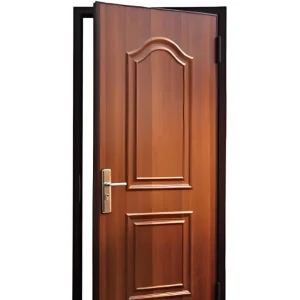
Swing doors are the most common. They attach to the frame with hinges on one side and open inward or outward. For rustic applications, these are typically heavier than standard interior doors because of the solid wood construction. A solid pine slab door, for example, can weigh 60–100 pounds depending on thickness and size. This weight affects hinge selection, frame reinforcement, and installation effort.
Sliding doors (often called barn doors) mount on a track above the doorway and slide parallel to the wall. They are the best choice when floor space is tight or when a wide opening is needed without the arc of a swing door. The rustic aesthetic suits this style well—the exposed track and rollers are often finished in black iron or bronze to match the cabin look. However, sliding doors do not seal as tightly as swing doors. They are not recommended for exterior use or for rooms where sound privacy or temperature control matters.
Swing-and-slide doors combine both mechanisms. The door swings open like a conventional door but also slides sideways on a track. This is useful for large openings—like a wall between a living area and a deck—where you want the option of a fully open passage. The hardware is more complex and expensive, and the track system requires precise installation to operate smoothly with a heavy wood door.
Beyond configuration, you will also choose between slab doors (just the door, no frame) and pre-hung doors (door mounted in a frame with hinges already attached). Pre-hung units simplify installation, especially for exterior applications where proper sealing and weatherproofing are critical.
Standard Sizes and Dimensions
Standard rustic cabin door sizes follow the same conventions as regular residential doors, with slight variations depending on the region and application.
For interior swing doors, the most common widths are 28, 30, 32, and 36 inches. The standard height is 80 inches (6 feet 8 inches). For exterior doors, 36 inches wide by 80 inches tall is the minimum in most areas, with many modern builds using 42-inch-wide doors for a grander entrance.
Sliding doors are typically wider because they need to cover the opening plus provide adequate overlap on each side. A common rule is to make the door 4–6 inches wider than the opening. For a 36-inch opening, the sliding door should be 40–42 inches wide.
| Door Type | Common Widths (inches) | Standard Height (inches) | Thickness (inches) |
|---|---|---|---|
| Interior swing (slab) | 28, 30, 32, 36 | 80 | 1 3/8 |
| Interior swing (pre-hung) | 28, 30, 32, 36 | 80 | 1 3/8 |
| Exterior swing | 36, 42, 48 | 80, 96 | 1 3/4 |
| Sliding barn door | 40, 42, 48, 60 | 80, 84, 96 | 1 3/8 – 1 3/4 |
| Swing-and-slide | 48, 60, 72, 96 | 80, 96 | 1 3/4 |
Custom sizes are widely available from manufacturers. If you have a non-standard opening—common in cabins with log or timber framing—you can order doors to your exact dimensions. Expect a lead time of 2–6 weeks for custom work, and always measure the rough opening (the framed hole in the wall) rather than the finished doorway.
Choosing the Right Rustic Cabin Door for Your Project
Selecting the right door requires matching the wood species, construction style, and configuration to your specific conditions. The most important factors are location (interior vs. exterior), climate, and the architectural style of the cabin.
Wood selection is the first decision. The table below compares the most common species used for rustic cabin doors.
| Wood Species | Relative Cost | Durability | Best Suited For |
|---|---|---|---|
| Pine | Low | Moderate; soft, prone to dents | Interior doors, budget projects |
| Cedar | Moderate | High; naturally rot-resistant | Exterior doors, humid climates |
| Oak | High | Very high; hard and dense | Interior and exterior, high-traffic areas |
| Fir | Moderate | High; stable and strong | Interior doors, large plank designs |
| Reclaimed Barn Wood | High | Varies; depends on source | Interior doors, unique character |
Moisture and climate are critical considerations for cabin environments. Cabins often experience significant seasonal humidity swings—dry in winter, humid in summer—especially if they are not continuously heated or cooled. Solid wood responds to these changes by expanding and contracting. A door that fits perfectly in summer may stick in winter, or develop gaps in summer.
To mitigate this, look for doors made from quarter-sawn or engineered wood (plywood core with wood veneer). These constructions are more dimensionally stable than plain-sawn solid wood. For exterior doors, the wood must be sealed on all six sides—including the top and bottom edges—to prevent moisture absorption. Cedar and oak are the best choices for exterior use because of their natural resistance to rot and insects.
Match the door style to the cabin architecture. For a traditional log cabin, a door made from solid logs or thick planks with visible bark edges suits the aesthetic. For a timber-frame cabin, a plank-and-batten door with black iron hardware complements the structural look. For a modern rustic home, a cleaner slab door with a natural finish and minimal hardware works better. The door should feel like it belongs to the structure, not like it was added afterward.
Installation and Hardware Essentials
Heavy solid wood doors require careful attention to hardware and installation. The most common mistake is underestimating the weight and using hardware rated for standard hollow-core doors.
Hinges: For a solid wood swing door weighing over 60 pounds, use at least three hinges per door, each rated for the specific weight. TIP: Use 4-inch or 5-inch hinges for heavier doors. Choose hinges in black iron, bronze, or oil-rubbed finishes to maintain the rustic aesthetic. Ball-bearing hinges are recommended because they handle heavy loads more smoothly and do not squeak over time.
Frames: The door frame must be structurally sound. In a cabin with log walls, the frame needs to be built to accommodate the settling of the logs, which can shift door alignment. For standard framed walls, ensure the rough opening is square and plumb before installation. A heavy door will bind and stick if the frame is out of square by even a quarter-inch.
Sliding hardware: For barn doors, the track system must be rated for the door weight. A solid wood sliding door can weigh 100–150 pounds, so the track, rollers, and wall brackets must be heavy-duty. Mount the track into structural framing—studs or a header—not just drywall. The track should be at least 6 inches wider than the door on each side to allow full clearance.
DIY vs. professional installation: Installing a slab door requires routing for hinges, drilling for the lockset, and precise fitting to the frame—doable for an experienced woodworker but challenging for a novice. Pre-hung doors are easier; they come assembled and can be shimmed and screwed into place. For exterior doors, professional installation is strongly recommended because proper flashing, sealing, and weatherproofing are essential for performance and warranty validity.
Related Considerations: Wood Swing Doors and Sliding Options
When buyers search for rustic cabin doors, they often encounter two related terms: swing door wood and swing and sliding door. Understanding how these fit into the broader category helps clarify your options.
A swing door wood refers to any wooden door mounted on hinges. This is the default choice for most interior rooms and all exterior entrances. The term matters in procurement because it distinguishes solid wood construction from hollow-core or composite alternatives. If a supplier lists a “wood swing door,” confirm whether it is solid wood or a veneer over a hollow core. For rustic applications, solid wood is almost always required—the weight, texture, and acoustic properties are part of the experience.
A swing and sliding door is a hybrid system that offers flexibility for large openings. The hardware is more complex, and the cost is correspondingly higher—typically 30–50% more than a standard swing door of the same size. These are best suited for openings of 48 inches or wider where you want the ability to fully open the space. For most cabin applications, a standard swing door or a simple barn door will serve the purpose at a lower cost and with less installation complexity.
When comparing swing vs. sliding, consider the trade-offs:
- Swing doors seal better, provide better sound insulation, and are required for exterior use in most building codes.
- Sliding doors save floor space, work well for wide openings, and are easier to install in tight spaces.
- Swing-and-slide doors offer maximum flexibility but at higher cost and complexity.
Frequently Asked Questions
What are the standard sizes for rustic cabin doors?
Standard interior rustic cabin doors are 28, 30, 32, or 36 inches wide by 80 inches tall. Exterior doors are typically 36 inches wide by 80 inches tall, with 42-inch and 48-inch widths available for grander entrances. Sliding barn doors are made 4–6 inches wider than the opening they cover. Custom sizes are available from most manufacturers for non-standard openings.
What is the difference between swing and sliding rustic cabin doors?
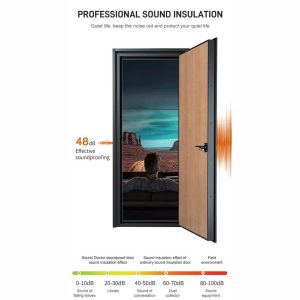
Swing doors mount on hinges and open in an arc. They provide a tight seal, good sound insulation, and are required for exterior applications. Sliding doors mount on a track and slide parallel to the wall. They save floor space and work well for wide openings but do not seal as tightly and are not recommended for exterior use.
What wood types are best for rustic log cabin doors?
Cedar and oak are the best choices for exterior doors due to their natural rot resistance and durability. Pine is the most economical option for interior doors but is soft and prone to dents. Fir offers a good balance of strength and cost. Reclaimed barn wood provides unique character but requires careful inspection for structural integrity and potential lead paint.
Can rustic cabin doors be customized to non-standard sizes?
Yes. Most manufacturers offer custom sizing to match non-standard openings, which are common in cabins with log or timber framing. Custom doors typically require a lead time of 2–6 weeks. Always measure the rough opening, not the finished doorway, and account for the door frame thickness.
What hardware is recommended for heavy wood swing doors?
Use at least three ball-bearing hinges per door, rated for the door’s weight. For doors over 60 pounds, use 4-inch or 5-inch hinges. Choose black iron, bronze, or oil-rubbed finishes to match the rustic aesthetic. The door frame must be square and plumb; a heavy door will bind and stick if the frame is out of alignment.
How do I maintain a rustic wood door?
Periodically inspect the finish and reapply oil or sealant as needed, especially on exterior doors. Seal all six sides of the door—including top and bottom edges—to prevent moisture absorption. Clean with a damp cloth and mild soap; avoid harsh chemical cleaners that strip the finish. Check hinges and hardware annually and tighten as needed.
How much do rustic cabin doors cost?
Costs vary widely based on wood species, size, and configuration. Pine slab doors are the most economical, while custom oak or reclaimed barn wood doors with heavy-duty hardware are significantly more expensive. Pre-hung units cost more than slabs but simplify installation. For accurate pricing, request quotes from manufacturers with your specific dimensions and wood preferences.
How We Meet These Standards as a Manufacturer
As a manufacturer of rustic cabin doors and other wood and aluminum products, we understand that the specifications above translate into real procurement decisions. Here is how our approach aligns with the standards discussed.
We supply directly from our factory, which means you work with the producer rather than a middleman. This affects both pricing and communication. When you need a custom size—say, a 41-inch-wide door for an unusual opening—you are not limited to a catalog of standard dimensions. We build to your measurements, with the wood species and finish you specify.
For exterior doors, we address the moisture and durability concerns outlined earlier through construction and pre-shipment inspection. Our quality control includes testing for air-tightness, water-tightness, and wind resistance, which are the performance characteristics that matter for exterior applications. We also adjust profile structures and fittings to match local building codes in your target market, so you are not left adapting a product to meet regional requirements.
If you are procuring for a construction project or need consistent supply across multiple units, we support OEM and ODM arrangements. We provide packing lists, proforma invoices, and full customs documentation for international shipments, and we handle both FCL and LCL logistics from our China factory.
If you are evaluating suppliers for a cabin project or a development with rustic door requirements, we can provide specifications and pricing based on your door sizes and wood preferences.