Core Conclusion: Choosing the Right Door Light Configuration
In door terminology, a “light” is simply a glass pane set within the door slab. The configuration of these lights—whether one full pane, a half panel, or a grid of smaller panes—directly controls three competing priorities: natural light transmission, visual privacy, and architectural style. Full light doors maximize daylight but offer zero privacy; half light doors balance the two; multi-light doors like 9-light or 5-light configurations prioritize tradition and visual rhythm over sheer brightness. For most buyers, the right choice depends on door location: exterior entries need security and insulation, while interior doors can prioritize light flow. This guide breaks down each configuration, its trade-offs, and how to match them to your project requirements.
Door Light Types Explained: Full, Half, Quarter, and Side Lights
The terminology around door lights can be confusing because it mixes geometry with glass area. Understanding these four base types clarifies everything else.
Full Light Door
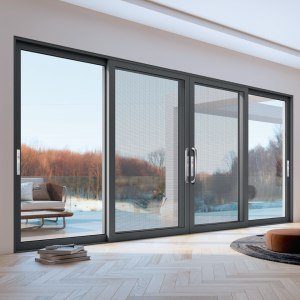
A full light door features one large glass pane occupying nearly the entire slab, typically framed by a slim stile and rail border. This configuration offers the highest visible glass area, often exceeding 80% of the door surface. Full light doors are the standard choice for commercial storefronts, patio entries, and any interior application where daylight penetration is the primary goal. The trade-off is obvious: complete visual exposure. Privacy requires frosted, textured, or tinted glass.
Half Light Door
A half light door divides the slab horizontally, with glass occupying the upper portion (usually 40–50%) and a solid panel below. This is the most common residential exterior configuration because it floods an entryway with natural light while the solid lower half provides privacy, protects against kicks and impacts, and hides the lower portion of the room from outside view. Half light doors are also more energy-efficient than full light versions, as the solid lower section offers better insulation.
Quarter Light Door
A quarter light door places a single glass pane in the upper quarter of the slab, with the remaining three-quarters solid. This configuration is often chosen for security-sensitive entries—front doors in urban settings, or doors facing public thoroughfares—where you want some daylight but minimal visibility into the home. Quarter light doors are also popular in period-style renovations where the original door had a small window.
Side Light Door
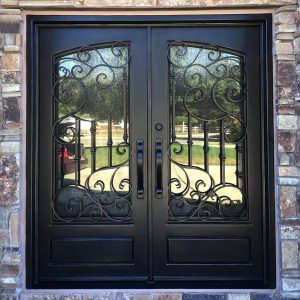
A sidelight is not a configuration of the door itself but a fixed glass panel installed beside the door frame. Sidelights are typically narrow—12 to 24 inches wide—and run the full height of the door. They serve a different purpose than door lights: they widen the visual opening of an entryway, make a narrow entrance feel grander, and allow light to enter without expanding the door’s own glass area. Sidelights are almost always paired with a solid or half light door, giving you the daylight benefits of a full light door while keeping the actual door secure and private.
[Placeholder: Image of full light, half light, quarter light, and sidelight configurations side by side]
Multi-Light Doors: 5-Light, 9-Light, and Beyond
Multi-light doors divide the glass area into a grid of smaller panes using muntins (vertical/horizontal dividers) or grilles. The number refers to the total pane count—a 9-light door has nine separate glass sections, typically arranged in a 3×3 grid.
9-Light Door
The 9-light configuration is the most recognized traditional style, associated with Colonial, Craftsman, and farmhouse architecture. The 3×3 grid creates a strong geometric pattern that reads as formal and established. From a practical standpoint, the many dividers add structural rigidity to the door, allowing a thinner overall frame. However, each muntin blocks a small strip of light, so a 9-light door transmits noticeably less daylight than a single full light of the same size—roughly 20–30% less depending on frame thickness.
5-Light Door
The 5-light configuration typically uses one large central pane flanked by four smaller panes, or a 2×2 grid with a larger bottom section. This style offers a compromise: the central glass area is large enough to provide decent light transmission, while the surrounding smaller panes add visual interest. The 5-light is common in contemporary Craftsman and transitional designs. It reads as less formal than a 9-light but more designed than a plain half light.
Single Light Door vs. Multi-Light
A single light door (also called a one-light door) has one uninterrupted glass pane, whether full height or half height. Compared to a 9-light door of the same overall glass area, the single light transmits more daylight (no muntin shadows), is easier to clean (one continuous surface), and offers a cleaner, more modern aesthetic. The 9-light, however, provides a traditional look that many buyers specifically want for period homes or HOA-regulated neighborhoods. The choice is stylistic, not functional—there is no meaningful difference in insulation value between the two when using the same glazing.
[Placeholder: Image of a 5-light door and a 9-light door in residential settings]
Door Light Color and Finish: Brown and Other Options
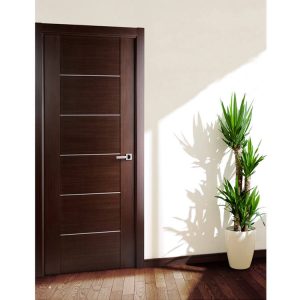
The term “door light brown” refers to the frame and finish color surrounding the glass panes, not the glass itself. Brown finishes—ranging from light honey oak to deep espresso—are among the most popular choices for both wood and aluminum doors because they complement a wide range of exterior materials: brick, stone, stucco, and wood siding.
When specifying a brown finish, consider the undertone. Warm browns (reddish or orange undertones) pair well with brick and terracotta. Cool browns (gray or taupe undertones) suit modern facades with gray stone or metal accents. The finish is applied to the door frame, muntins, and any matching sidelight frames, so color consistency across all elements matters.
For aluminum doors, brown is typically applied as a powder coat finish, which is durable and fade-resistant. For wood doors, brown is achieved through stain, which allows the grain to show through, or paint, which covers it. Stain is preferred for high-end residential work because it highlights the material; paint is more uniform and better for matching exact RAL or NCS color codes across a project.
Comparison Table: Door Light Configurations at a Glance
| Configuration | Light Count | Privacy Level | Light Transmission | Typical Style | Best Use Case |
|---|---|---|---|---|---|
| Full Light | 1 large pane | None (requires frosted/tinted glass) | Highest (80%+ of slab) | Modern, Commercial, Minimalist | Storefronts, patios, interior partitions |
| Half Light | 1 pane (upper half) | Moderate (lower half solid) | Medium-High | Traditional, Transitional | Residential front doors, side entries |
| Quarter Light | 1 pane (upper quarter) | High (75% solid) | Low-Medium | Period, Security-conscious | Urban front doors, street-facing entries |
| Side Light | 0 (fixed panel beside door) | N/A (fixed, often frosted) | High (adds width of light) | Grand, Formal | Entryways paired with solid or half light doors |
| 5-Light | 5 panes (1 large + 4 small) | Moderate-High | Medium | Craftsman, Transitional | Residential entries seeking detail |
| 9-Light | 9 panes (3×3 grid) | Moderate-High | Medium-Low | Colonial, Farmhouse, Traditional | Period homes, formal entries |
Buying Guide: How to Select the Best Light Door for Your Project
Choosing a door light configuration is not just an aesthetic decision. The following factors should drive your specification.
Privacy and Sightlines
Determine the viewing angle from outside. A full light door at street level offers direct sightlines into the interior. Half light doors obscure the lower portion but still reveal the upper room. If privacy is critical, choose a quarter light or specify privacy glazing (frosted, acid-etched, or patterned glass) on any configuration. Note that privacy glass reduces light transmission by 10–20% depending on the opacity level.
Energy Efficiency and Glazing
The glass type matters more than the configuration. For exterior doors, specify double-glazed units (two panes with an argon-filled gap) with a low-emissivity (Low-E) coating. These units achieve U-factors around 1.0–1.2 W/m²K, comparable to a solid insulated door. A full light door with high-performance glazing can outperform a half light door with single glazing. Check your local building code—many jurisdictions now require specific U-factor or SHGC (Solar Heat Gain Coefficient) ratings for exterior doors.
Security and Impact Resistance
Multi-light doors with many muntins are inherently more resistant to forced entry than a single large pane, simply because the glass sections are smaller and harder to break through. For ground-floor exterior doors, consider laminated or tempered glass. Laminated glass (two panes bonded with a PVB interlayer) holds together when broken, providing a significant security upgrade. Tempered glass shatters into small, blunt pieces on impact, reducing injury risk.
Material and Frame Thickness
The door material determines how thick the frame can be around the glass. Aluminum doors can have slim sightlines (as narrow as 20mm) because the material is strong. Wood doors require thicker stiles and rails (typically 100–150mm) to maintain structural integrity. If you want a full light door with maximum glass area, aluminum is the better choice. If you prioritize a traditional look with thick, substantial framing, wood or a wood-clad aluminum profile is preferable.
Building Codes and Egress
For doors that serve as required exits, verify that the glass configuration does not violate egress requirements. Most codes require that a door opening have a clear width and height when the door is open—the glass configuration itself rarely affects this, but the frame must not reduce the clear opening. Additionally, some jurisdictions restrict the amount of glass in fire-rated door assemblies. Always confirm with local code before ordering.
Decision Matrix
- Choose a full light door if: daylight is the priority, the door faces a private area (backyard, courtyard), or it’s an interior partition.
- Choose a half light door if: you need a balance of light and privacy for a residential entry.
- Choose a quarter light door if: security is a primary concern and you want minimal visibility.
- Choose a 9-light or 5-light door if: the architectural style demands it, or you want the visual rhythm of divided panes.
- Add sidelights if: you want to widen the entryway and increase light without expanding the door’s glass area.
FAQ: Door Light Questions Answered
What does ‘light’ mean in a door?
A light is a glass pane set within the door slab. The term comes from the historical use of windows (“lights”) to let daylight into a building. In modern door terminology, it refers specifically to the glazed sections of the door.
What is the difference between a full light door and a half light door?
A full light door has one large glass pane covering nearly the entire slab, offering maximum light transmission and zero privacy. A half light door has glass only in the upper portion (typically 40–50%), with a solid lower half that provides privacy, impact resistance, and better insulation.
What are the advantages of a 9-light door over a single light door?
The 9-light door offers a traditional, formal aesthetic that suits period architecture. The muntins provide structural rigidity, allowing a thinner frame. The main disadvantage is reduced light transmission—the dividers block roughly 20–30% of the light compared to a single pane of the same size.
How does a side light door affect entryway design?
A sidelight is a fixed glass panel beside the door frame, not part of the door itself. It widens the visual opening of the entryway, makes it feel grander, and allows light to enter without expanding the door’s own glass area. Sidelights are typically paired with solid or half light doors.
What are the privacy and energy efficiency trade-offs of different light configurations?
More glass means more light but less privacy and potentially lower insulation. Full light doors offer the least privacy; quarter light doors offer the most. Energy efficiency depends more on glazing type (double glazing, Low-E coating) than on configuration. A full light door with high-performance glazing can be more efficient than a half light door with single glazing.
Can I customize the number of lights and the color of the door, such as brown?
Yes. Most manufacturers offer full customization of light configurations, including the number of panes, their arrangement, and the frame finish. Brown finishes are available in a wide range of undertones, from light honey to deep espresso, applied as powder coat for aluminum or stain/paint for wood.
Additional Considerations: Customization and Supplier Selection
When sourcing light doors for a commercial project or development, the configuration is only one variable. The following factors determine whether your supplier can deliver what you specify.
Profile Adjustability and Local Code Compliance
Door and light configurations must meet local building codes, which vary significantly by market. A supplier that offers adjustable profile structures and fittings can adapt the door to meet regional requirements for wind resistance, energy efficiency, and egress. This is particularly important for aluminum doors, where the frame profile thickness and thermal break design directly affect performance ratings.
Glass Options and Performance Testing
The glass specification is as important as the light configuration. A serious supplier should offer options for double glazing, Low-E coatings, laminated safety glass, and tempered glass. Critically, they should be able to document performance through pre-shipment testing for air-tightness, water-tightness, and wind resistance. These tests verify that the assembled door—frame, glass, and hardware—meets the rated performance, not just the component specs.
OEM and Customization Capability
For construction projects, you often need doors in non-standard sizes or with specific light patterns. A manufacturer with in-house engineering can accommodate custom dimensions, adjust the muntin layout, and match the finish to your project’s color palette. This is where direct factory supply matters—a manufacturer that controls its own production can make these adjustments without coordination delays.
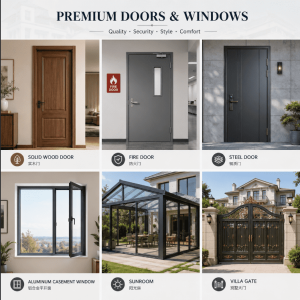
Here is how we meet these standards. As a factory-based manufacturer, Jusen Door and Windows produces solid wood doors, thermal-break aluminum doors and windows, and system windows with full customization on size, color, glass, and hardware. Our adjustable profile structure and fittings allow us to match local building codes across different markets, and our pre-shipment inspections cover air-tightness, water-tightness, and wind resistance. We support OEM and ODM projects, private label work, and bulk supply for construction contracts. Because we sell direct from the factory, you work with the production team directly—no middleman markup, and full access to packing lists, proforma invoices, and customs documentation for international shipping. We handle both FCL and LCL shipments, so whether you need one custom villa door or a container load for a development, the same engineering and quality control standards apply.
If you are evaluating suppliers for a project that requires specific light configurations, custom finishes like brown powder coat, or documented performance testing, contact our team with your specifications. We can confirm whether your requirements are achievable and provide a detailed quotation.