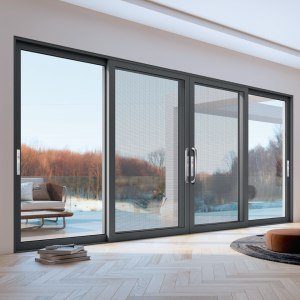
Vinyl patio doors are popular for residential applications because the material can provide low-maintenance surfaces and a range of frame configurations. The right choice depends on the opening, climate, glazing and whether the project is new construction or replacement.
Why choose vinyl patio doors?
Vinyl frames are resistant to routine moisture exposure and generally do not require the same refinishing process as exposed wood. Performance still depends on the specific frame design, reinforcement and glazing package.
Compare the complete system rather than treating “vinyl” as a performance rating.
Common vinyl patio door configurations
Vinyl patio doors can be supplied as sliding, hinged or other configurations depending on the manufacturer.
A 72 × 76 reference describes a particular nominal size, but the actual frame and rough opening must be verified from the product documentation.
A 36-inch patio door may refer to a narrower panel or unit depending on the supplier's sizing convention. Never order from width alone.
Retrofit patio doors
Retrofit replacement can reduce the amount of surrounding construction work when the existing opening and frame conditions are suitable.
Before selecting a retrofit system, inspect:
- Existing frame condition
- Opening dimensions
- Sill and drainage
- Interior and exterior trim
- Wall thickness
- Water damage
- Existing flashing
If the existing frame is damaged or the opening is not suitable, a full-frame replacement may be more appropriate.
Glass and energy performance
For exterior patio doors, compare glazing performance as well as frame material. Depending on the climate, low-E insulated glass, solar-control glass or other glazing options may be appropriate.
Ask for the manufacturer's tested performance data rather than assuming that every vinyl patio door has the same energy characteristics.
B2B sourcing checklist
For a project or OEM order, specify:
- Overall dimensions
- Operating configuration
- Frame profile
- Reinforcement
- Glass specification
- Screen
- Hardware
- Finish
- Sill/drainage design
- Rough-opening requirement
- Packaging
Final takeaway
Vinyl is a material choice, not a complete specification. For a successful patio-door order, match the vinyl frame system to the actual opening, glazing requirement and installation condition.
Vinyl versus other patio-door frame materials
Vinyl is often selected for its low-maintenance exterior, but it is not automatically the best frame for every project.
Aluminum can provide slim profiles and strong frame construction. Wood can offer a natural interior appearance but generally requires more finish maintenance. Composite systems may combine characteristics of several materials.
The correct comparison should include thermal performance, profile dimensions, finish, maintenance and cost.
Retrofit details
A retrofit patio door can be attractive when the existing opening and frame are suitable. Before choosing a retrofit product, check whether the existing sill, flashing and water-management details can be retained.
A replacement that leaves a damaged sill or compromised flashing in place may not solve the underlying problem.
72 × 76 and other non-standard dimensions
A nominal 72 × 76 patio door should be verified against the supplier's dimensional drawing. Non-standard dimensions can be available, but availability and rough-opening requirements vary.
For a 36-inch patio door, confirm whether the dimension refers to a panel or complete unit.
Finish and color
Vinyl patio doors can be supplied in different frame colors and finishes depending on the manufacturer. For a project with multiple openings, approve a sample so the color and surface appearance remain consistent.
Final takeaway
Vinyl patio doors are a practical option when their maintenance and performance characteristics fit the project. The strongest specification compares the complete system rather than choosing vinyl on price alone.
Climate and exposure
Vinyl patio-door selection should reflect local exposure. High sun, temperature swings, moisture and coastal conditions can change the importance of frame construction and glazing.
Ask the supplier which configurations are recommended for the intended environment rather than assuming all vinyl profiles are interchangeable.
Installation quality
Even a well-designed patio door can perform poorly if the opening is out of square or the sill is incorrectly installed. Follow the manufacturer's installation sequence and flashing requirements.
Final buyer advice
Compare vinyl systems on complete performance and compatibility with the opening. A low purchase price is not useful if the retrofit requires extensive modification or creates drainage problems.