Last updated: September 16, 2026
A modern interior door does more than close off a room. It shapes sightlines, softens noise, adds texture, and gives every space a cleaner, more intentional finish. Whether you want modern white oak interior doors, smooth white interior doors modern enough for a minimalist home, or custom interior doors built around an exact opening, the right choice starts with material, profile, finish, and hardware.
Which modern interior door is right for your space?
The right modern interior door is the one that fits your room’s architecture, daily use, and design language without feeling like an afterthought. A bedroom may need privacy and warmth, a home office may need better sound control, and a hallway may need a quiet, flush design that keeps the whole floor feeling open. Start with how the door will be used, then choose the style, finish, and construction that support that purpose.
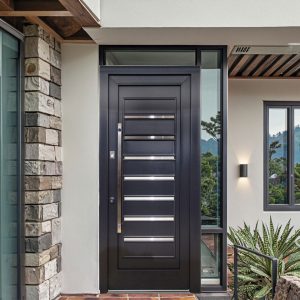
If your home leans bright and minimal, white interior doors modernize the space without adding visual weight. If you want natural texture, modern white oak interior doors bring warmth while keeping clean lines. For a sharper architectural look, modern european interior doors often emphasize flat panels, concealed hinges, precise reveals, and sleek hardware.

A clean, modern upgrade for every room
Modern interior doors are designed around simplicity, proportion, and detail. Instead of ornate raised panels or heavy trim, they use flat surfaces, slim profiles, vertical lines, natural veneers, or carefully chosen paint finishes. The result is a door that supports the room rather than competing with it.
This makes them especially useful when you are remodeling one level of a home, finishing a new build, or replacing mismatched doors installed over time. A consistent door style can make bedrooms, closets, bathrooms, pantries, and offices feel connected. Even when each room has a different function, the same modern profile creates a calmer visual rhythm from one space to the next.
Popular interior door ideas for modern homes include:
- Flush slab doors for a minimal, gallery-like look.
- White oak veneer doors for warmth, grain, and natural character.
- Painted white doors for bright rooms, narrow halls, and Scandinavian-inspired spaces.
- Glass-panel doors for offices, dining rooms, or areas that need borrowed light.
- Mid century modern doors interior designs with subtle wood tones, simple grooves, or understated geometric details.
- Modern European-style doors with clean edges, concealed hardware options, and refined proportions.
- Custom interior doors for unusual sizes, coordinated finishes, or a more tailored architectural result.
Materials and finishes that define the look
The material and finish determine how the door feels in the room. A flat painted door can almost disappear into a wall, while a wood veneer door becomes part of the design story. Both can look modern, but they create very different moods.
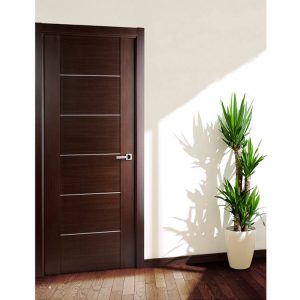
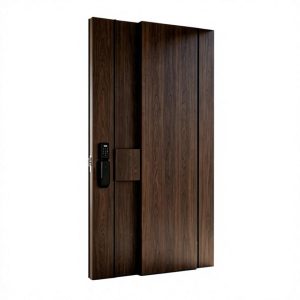
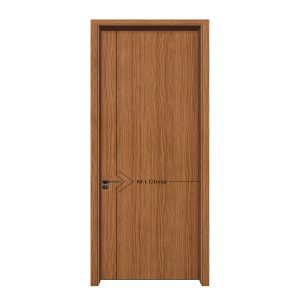
White oak is a strong choice when you want warmth without a rustic look. Modern white oak interior doors typically work well with light floors, neutral walls, black hardware, brushed metal, stone, and soft natural textiles. The grain adds movement, while the simple slab or narrow-stile profile keeps the result current.
White painted finishes are ideal when you want brightness and flexibility. White interior doors modernize older spaces quickly because they reduce contrast and make trim, walls, and cabinetry feel more unified. They also pair well with matte black, satin nickel, brass, or minimal lever hardware.
Walnut, ash, and other wood tones can create a richer statement. These work especially well in mid century modern doors interior projects, where the door may echo wood furniture, built-ins, or flooring. The key is restraint: simple profiles keep the wood from feeling heavy.
Glass and mixed-material doors are useful where light matters. A frosted or reeded glass insert can help a home office, laundry room, or pantry feel connected without fully exposing the space. Clear glass works best where privacy is not the priority.
Modern door styles for real-life spaces
A beautiful door still has to work with the room. Before choosing a finish, think about swing direction, traffic flow, privacy, cleaning needs, and how the door looks from both sides. The best modern interior doors feel natural in daily use, not just impressive in a product photo.
For bedrooms, choose a solid-feeling door with a calm finish and comfortable hardware. White oak, painted white, or a muted neutral finish can all work, depending on the trim and flooring. If the room opens to a busy hallway, a more substantial construction may feel better than a lightweight hollow option.
For bathrooms, privacy and durability matter. Painted finishes and stable engineered cores are common choices because bathrooms experience changing humidity. A simple slab design is easy to clean and avoids grooves that collect dust.
For home offices, consider glass, solid-core construction, or a more tailored custom option. If you take calls or need visual separation, a solid door is practical. If you want the room to share light with a hallway, a glass-panel modern european interior doors style may be a better fit.
For closets and utility rooms, consistency is often more important than drama. Matching closet doors to nearby room doors makes small spaces feel less cluttered. A flush white door or simple wood veneer can make even practical areas feel finished.
For living and dining spaces, the door can become a design feature. Double doors, taller openings, glass panels, or a white oak finish can elevate the transition between rooms while keeping the overall look clean.
Product features that make a modern door feel premium
Small details separate an ordinary replacement door from a polished modern upgrade. The face of the door matters, but so do the edges, hinges, hardware, frame, and how the finish meets surrounding trim.
Look for features such as:
- Clean slab or low-profile designs that support a contemporary interior.
- Quality surface finishes in painted, stained, or veneer options.
- Coordinated frames and casing for a more complete installation.
- Hardware compatibility with modern levers, magnetic latches, privacy locks, or passage sets.
- Stable construction suited to daily use in bedrooms, bathrooms, offices, and closets.
- Custom sizing options for non-standard openings, remodels, and design-led projects.
- Optional glass or specialty panels where light, privacy, or visual interest is needed.
- Finish flexibility so the door can coordinate with floors, cabinetry, walls, and trim.
These features are not only aesthetic. A stable, well-fitted door closes more confidently, aligns better with the frame, and helps the room feel complete. When the profile, finish, and hardware are selected together, the door becomes part of the architecture instead of a separate accessory.

Custom interior doors for a tailored result
Custom interior doors are worth considering when standard options do not match your openings, design goals, or finish requirements. Older homes often have irregular dimensions, while new builds may call for taller doors, cleaner jamb details, or a consistent look across many rooms. Customization helps solve those issues without forcing the design to compromise.
A custom approach can include size, thickness, core type, finish, panel layout, glass style, hinge preparation, and hardware preparation. It can also help when you need several door types to coordinate, such as solid bedroom doors, glass office doors, and closet doors in the same finish family.
Custom does not have to mean ornate. In modern design, customization often means getting the proportions exactly right. A taller slab, a cleaner reveal, or a finish matched to nearby cabinetry can have more impact than decorative detailing.
A practical way to choose your door package
Choosing from dozens of interior door ideas can feel overwhelming, so it helps to narrow decisions in the right order. Start with function, then style, then details. This keeps the project focused and prevents expensive design changes later.
Use this checklist before ordering:
- Identify each room’s purpose. Decide which doors need privacy, light transfer, durability, or quiet operation.
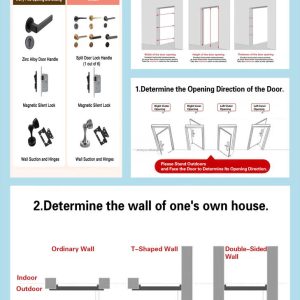
- Confirm the opening details. Measure width, height, wall thickness, swing direction, and whether the frame also needs replacement.
- Choose a design family. Decide between flush modern, modern European, white oak, painted white, glass-panel, or mid century modern doors interior styling.
- Select the finish. Coordinate with flooring, baseboards, wall color, cabinetry, and hardware.
- Choose hardware early. Levers, hinges, locks, and pulls can change the final look dramatically.
- Decide between standard and custom. Use standard sizes when they fit the design; choose custom interior doors when proportions or details matter.
- Plan installation timing. Doors are easier to coordinate before trim, paint touch-ups, and flooring transitions are finalized.
A simple example: if you are updating a hallway with four bedrooms and a bathroom, you may choose white interior doors modern enough to brighten the corridor, then use matching matte black levers for contrast. If the primary suite has wood furniture and warmer flooring, modern white oak interior doors might add a more elevated feel while still coordinating with the rest of the home.
Pricing and quote considerations
Interior door pricing varies because the final cost depends on the size, material, construction, finish, frame requirements, hardware, and whether the door is standard or custom. A simple painted slab door is usually approached differently than a full modern european interior doors package with specialty hardware, glass, or custom dimensions. Installation needs can also affect the project, especially if openings are uneven or existing frames must be replaced.
Rather than treating all modern interior doors as interchangeable, compare complete packages. A lower-priced door may not include the frame, casing, hardware preparation, finish, or installation support you need. A more complete door solution can be easier to plan because the key components are selected together.
When requesting pricing, be ready to share:
- Number of doors needed.
- Approximate or exact opening sizes.
- Preferred style and finish.
- Whether frames, casing, and hardware are included.
- New construction or remodel conditions.
- Desired installation timeline.
- Any special requirements, such as glass, privacy locks, taller heights, or matching finishes.
This information helps create a more accurate quote and reduces guesswork. If you are still comparing options, start with your top two finishes or styles and ask how each affects the final package.
Specifications to consider before you order
The best door choice depends on more than the visible face. Specifications influence fit, feel, sound, durability, and installation. You do not need to know every technical detail at the beginning, but knowing what to ask about will make the process smoother.
Key specifications include:
- Door size: Standard or custom width and height.
- Door thickness: Selected to match the frame, hardware, and overall use.
- Core construction: Chosen based on feel, sound control, and budget.
- Surface material: Painted finish, wood veneer, laminate, glass, or another selected surface.
- Frame type: Existing frame reuse, new jamb, casing package, or frameless-style look where available.
- Swing and handing: Left-hand or right-hand operation based on room layout.
- Hardware prep: Bore, latch, hinge locations, pulls, privacy locks, or passage function.
- Finish coordination: Door face, edge finish, frame color, casing, and hardware tone.
If you are replacing one door, matching existing conditions may be the priority. If you are replacing many doors, this is a chance to standardize the entire interior and create a more cohesive home.
Design inspiration for modern homes
Modern interior doors can be quiet or bold, depending on how you use them. In a small apartment, flush white doors can make walls feel longer and ceilings feel higher. In a larger home, white oak doors can add warmth so open spaces do not feel stark.
For a mid-century-inspired home, choose wood tones, slim vertical details, and simple lever hardware. Avoid overly decorative panels, and let the grain or proportion do the work. For a European-inspired interior, consider taller-looking proportions, flat panels, crisp edges, concealed or minimal hardware, and a restrained finish palette.
For a family home, durability and cleaning may guide the decision. Smooth painted doors are practical in busy hallways, while wood veneer can bring character to main living areas or a primary suite. For a design-forward renovation, custom interior doors can align with cabinetry, wall paneling, or built-ins for a more architectural result.

Start with the door that changes the room
A modern interior door is a daily-use detail with a surprisingly large effect on how your home looks and feels. The right choice can brighten a hallway, warm up a bedroom, frame a home office, or make a remodel feel complete. Choose the style that supports your space, then refine the finish, hardware, and specifications until the door feels intentional from both sides.
If you are ready to compare modern interior doors, begin with the rooms you use most and the openings that are most visible. Gather your measurements, note the finishes already in the home, and decide whether standard or custom interior doors will deliver the cleanest result. From there, request a quote for the door package that fits your design, function, and installation needs.