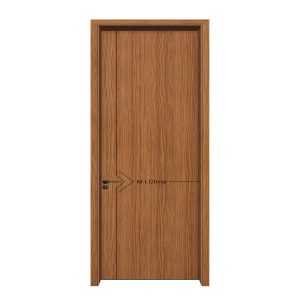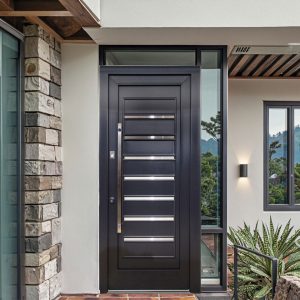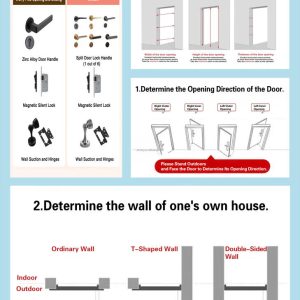
A 32 × 80 interior door is a common choice when the project calls for a 32-inch nominal door width and an 80-inch nominal height. But the label does not by itself tell you the rough opening, frame size, or whether a slab or prehung unit is the right choice. Those details determine whether the door will actually fit.
What does 32 × 80 mean for an interior door?
The first number describes the nominal door width and the second describes nominal height. A 32 × 80 door slab is therefore approximately 32 inches wide and 80 inches tall. The finished frame and rough opening are larger.
That distinction matters when replacing an existing door. A 32 × 80 slab can be the right replacement size while the complete prehung assembly requires a larger opening.
32 × 80 vs. nearby interior door sizes
| Nominal size | Typical use | What to verify |
|---|---|---|
| 28 × 80 | Smaller rooms, closets, bathrooms | Clear passage and frame condition |
| 30 × 80 | Bedrooms and general interior use | Existing slab or prehung dimensions |
| 32 × 80 | Bedrooms, offices and general rooms | Rough opening and handing |
| 36 × 80 | Wider passage or accessibility-oriented layouts | Available wall space and hardware |
The important point is not to choose by nominal size alone. Measure the existing slab, frame and opening before ordering.
32 × 80 slab door or prehung door?
Choose a slab when the existing jamb is reusable and correctly sized, or when the project uses a custom frame. A prehung door is usually more convenient when the frame is being replaced as well.
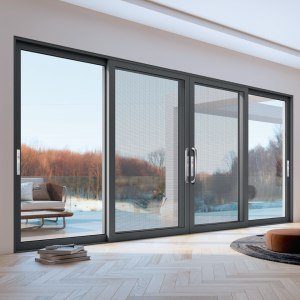
A 32 × 80 interior glass door can also use the same nominal size, but the glass configuration, stile width and total door weight should be checked before selecting hinges and hardware.
How to measure for a 32-inch interior door
Measure the existing door slab first if you are replacing only the door. Record width, height and thickness.
If replacing the complete unit, measure the rough opening at several points. Check width at the top, middle and bottom, then check height at both sides. Also record jamb depth, swing direction and hinge locations.
If the opening is not square, do not assume a nominal 32 × 80 replacement will solve the problem. The frame and installation conditions may need adjustment.
When a 32 × 80 door is the right choice
A 32 × 80 interior door makes sense when the existing opening and surrounding trim support that nominal size. It is especially useful for bedrooms, offices and other standard interior rooms.
For projects with unusual wall thicknesses, nonstandard openings or large quantities, specify the complete door-and-frame dimensions rather than relying only on the product label.
Buying checklist
Before ordering a 32 × 80 interior door, confirm:
- Slab or prehung construction
- Actual slab width and height
- Door thickness
- Jamb depth
- Left- or right-hand swing
- Hinge quantity and locations
- Glass or solid configuration
- Finish and hardware requirements
- Rough-opening dimensions if buying a complete unit
For OEM or project sourcing, supplying a dimensioned opening drawing is usually more useful than sending only “32 × 80.”
FAQ
Is a 32 × 80 door exactly 32 by 80 inches?
Usually the designation refers to nominal dimensions. Always verify the manufacturer's actual slab and unit dimensions.
Can a 32 × 80 door be used with a glass panel?
Yes. Glass configuration is independent of the nominal size, subject to the manufacturer's construction and weight limits.
Is 32 × 80 the same as a 32-inch rough opening?
No. The rough opening must accommodate the frame and installation tolerances, so it is larger than the nominal slab size.
Should I buy a slab or prehung door?
Use a slab when the existing frame is suitable. Use prehung when the jamb/frame is also being replaced or a complete factory-assembled unit is preferred.
Common ordering mistakes
The most common mistake with a 32 × 80 interior door is treating the nominal size as the complete installed dimension. A project may specify a 32 × 80 slab but require a different frame size, jamb depth or rough opening.
Another mistake is overlooking the existing hardware. If the replacement slab must reuse the existing hinges and lockset, hinge spacing and bore location should be recorded before ordering.
For glass versions, confirm whether the glass is clear, privacy, laminated or another specification. The visual opening can also affect privacy and the apparent width of the stiles and rails.
For manufacturers and project buyers
A useful purchase specification should identify the nominal size plus the actual required dimensions, material, finish, handing, hardware preparation and packaging. If multiple sizes are involved, use a door schedule rather than describing every unit only as “32 × 80.”
For OEM production, provide drawings for unusual frames or glass configurations. This allows the factory to confirm tolerances before production rather than discovering a mismatch during installation.
Final takeaway
32 × 80 is a useful starting point, not a complete specification. The correct purchase decision comes from matching the nominal size with the actual slab, frame and opening conditions.