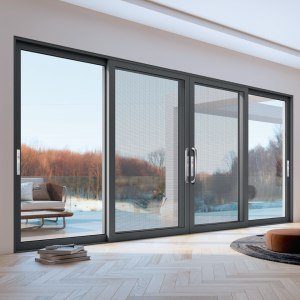
Exterior door window blinds are commonly integrated into a glass insert so that the blind sits between glass panes or within a sealed glazing assembly. This configuration can provide privacy and light control without leaving loose blinds exposed on the interior side of the door. The right product depends on the door construction, glass unit, operating mechanism and required maintenance.
What Are Blinds Between the Glass?
Built-in blinds are placed inside a sealed glass unit or protected glazing assembly. The exact construction varies by manufacturer. The main advantage is that the blind is less exposed to dust, handling and accidental damage than a conventional interior blind mounted on the room side.
Ask the supplier to identify whether the blind is truly between the glass and how it is operated.
Why Put Blinds in an Exterior Door?
The main reasons are privacy and light control. A front, side or back door with glass can provide daylight but also create visibility into the room. Integrated blinds let the user change the visual openness without installing a separate blind over the door.
Common Exterior Door Configurations
Built-in blinds can appear in fiberglass, steel, wood and other exterior door systems. They may be used with half-lite, three-quarter-lite or other glass-insert configurations.
The important specification is the complete insert: glass dimensions, frame, blind mechanism, glazing construction and compatibility with the door slab.
What to Compare
| Feature | What to check |
|---|---|
| Glass insert size | Confirm actual visible and overall dimensions |
| Blind position | Verify that it is integrated/protected within the glazing assembly |
| Operating mechanism | Check how the slats or shade are adjusted |
| Privacy | Compare glass and blind positions |
| Cleaning | Ask how the glass and mechanism are maintained |
| Door compatibility | Confirm the insert fits the slab and frame |
| Replacement | Check whether the glass insert can be serviced or replaced |
Built-In Blinds vs External Blinds
External blinds are easier to replace independently but remain exposed to the room environment. Integrated blinds create a cleaner appearance and reduce exposed components. The better option depends on whether serviceability or a protected, low-clutter appearance is the priority.
Glass and Energy Performance
A blind does not automatically determine the thermal performance of the entire door. Look at the glazing unit, frame, door construction and weather seals together. If the project has specific energy-performance requirements, request the relevant product documentation rather than relying on the presence of an insulated-looking glass insert.
Installation and Replacement Considerations
When replacing an exterior door with built-in blinds, confirm whether the blind insert is part of the slab or a replaceable glazing unit. Measure the existing opening and the existing glass insert carefully. A replacement insert needs to match the frame, glazing pocket and door construction.
Bottom Line
Exterior door window blinds are useful when daylight, privacy and a clean appearance need to coexist. Focus on the complete glass insert and operating mechanism rather than treating the blind as an independent accessory.
For custom door projects, Jusen can discuss aluminum door systems with glazing configurations where integrated or project-specific glass solutions are required.