Single front doors with glass combine a conventional one-leaf entry with a glazed area for daylight and visual appeal. The main decisions are glass location and type, door material, privacy level, frame construction and overall entry size.
Common Glass Configurations
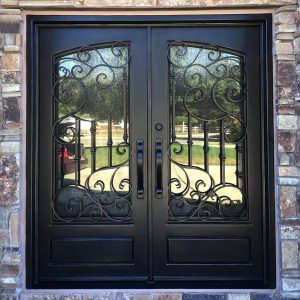
Glass may occupy most of the slab, the upper portion, a narrow vertical panel or a decorative oval/arched insert. Larger glass areas create more daylight but also make privacy and glazing performance more important.
Clear, Frosted and Decorative Glass
Clear glass offers the strongest visual connection. Frosted or textured glass reduces visibility while admitting light. Decorative and patterned glass can become the focal point of the entrance. Choose based on the view from both sides, especially after dark.
Wood, Fiberglass, Steel and Aluminum
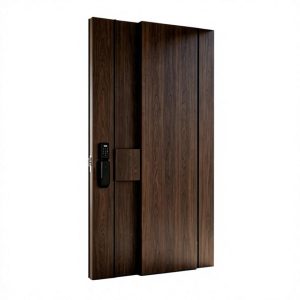
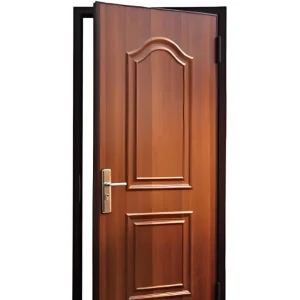
Wood works well for traditional designs and can be stained or painted. Fiberglass is popular where low maintenance matters. Steel provides a strong, durable entry option. Aluminum is useful for contemporary and commercial systems with slim profiles.
Oval and Specialty Glass Inserts
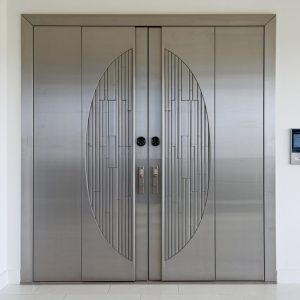
Oval, round-top and other specialty inserts can create a distinctive entry appearance. Verify replacement availability, glass dimensions and the complete frame/insert construction before ordering.
What to Check Before Buying
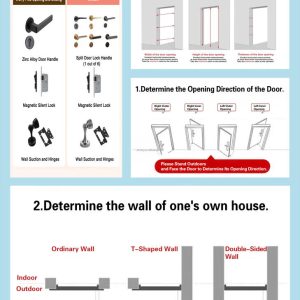
Confirm door size, rough opening, frame depth, handing, threshold, glass specification, privacy level, lock preparation, finish and whether the quote includes the frame and installation components.
For Project and OEM Sourcing
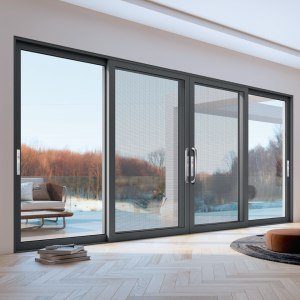
For modern project entrances, Jusen can supply custom aluminum single-door systems with specified glazing layouts, frame dimensions and OEM/ODM configurations.
FAQ
Q: Are single front doors with glass secure?
A: They can be. Security depends on the complete door, frame, lock, hinges, glass specification and installation rather than the presence of glass alone.
Q: Is frosted glass better for a front door?
A: It is often better where privacy is important. Clear glass is better when visibility and daylight are the priority.
Q: Can a single front door have an oval glass insert?
A: Yes. Oval and other specialty inserts are common design options, but exact sizes and replacement availability vary by system.
Q: Should I choose wood or fiberglass?
A: Choose wood when natural material and refinishing matter most; choose fiberglass when lower maintenance and dimensional stability are higher priorities.
Glass Area: Full, Partial and Decorative Inserts
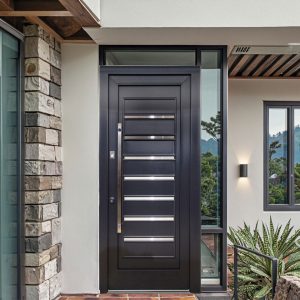
A full-lite single entry door emphasizes daylight and visibility. A half-lite or upper-glass design provides more privacy and a more traditional appearance. Narrow vertical glass can create a contemporary look without turning the entire slab into a glazed surface. Oval and decorative inserts are useful when the glass itself is intended to be an architectural focal point.
Privacy by Glass Type
| Glass | Visibility | Typical design use |
|---|---|---|
| Clear | High | Daylight and views |
| Frosted | Low | Privacy-focused entries |
| Reeded/textured | Low to medium | Modern decorative entries |
| Decorative patterned | Varies | Traditional or statement entrances |
Matching the Door to the Frame
A single front door is a complete system. The frame depth should suit the wall construction, the threshold should suit the exposure, and the hardware preparation should match the selected lockset. If the existing frame is sound, a replacement slab may be possible; if it is damaged or out of square, a complete prehung replacement may be more practical.
Best Use Cases
Single front doors with glass work well when the entry needs daylight without the extra wall width required by sidelights or double doors. They are also a practical choice for narrower façades where a large paired entrance would overpower the architecture.
Common Mistakes With Single Front Doors With Glass
Do not assume all glass inserts provide the same privacy or exterior performance. Also verify whether the existing frame can accept a replacement slab or insert before ordering. For new construction, specify the door, frame and threshold together rather than treating the slab as a standalone product.
Bottom Line
Choose the glass first according to privacy and daylight needs, then match the door material, frame and entry dimensions to the application.