Content Menu
● 1. What Is a Glass Single Front Door?
● 2. Types of Glass Used in Single Front Doors
● 3. Frame Materials: Aluminum, Steel, and Wood
● 4. Factors to Consider When Choosing Glass for Front Doors
● 5. Glass Front Door Costs: A B2B Pricing Breakdown
● 6. Maintenance and Care for Glass Front Doors
● 7. Choosing the Right Glass: A Decision Guide
● 8. How to Evaluate Glass Single Front Door Suppliers
● 9. Sourcing Glass Single Front Doors from a Factory-Direct Manufacturer
● 10. Frequently Asked Questions
● 11. Production Process: From Raw Material to Finished Door
● 12. Quality Control: Multi-Stage Inspection
14 min read
When an overseas buyer places their first container order for glass single front doors, the question they ask is rarely about price. It is about whether the factory can replicate the sample quality at scale. I have sat in enough meeting rooms to know that the conversation shifts quickly once samples are approved. The real work begins when you ask about lead times, test reports, and how the supplier handles a defective batch mid-production.
This guide is written for importers, contractors, and project managers who need to evaluate glass single front door suppliers with a clear head. It covers the technical specifications that matter, the procurement pitfalls that cost money, and the specific questions you should ask before signing an RFQ.
What Is a Glass Single Front Door?
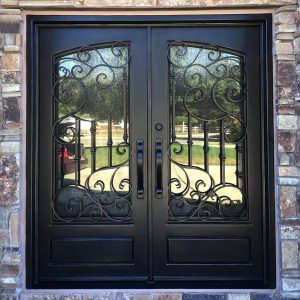
A glass single front door is a single-leaf entry door where the primary panel is glass, supported by a frame typically made of aluminum, steel, or solid wood. It differs from a door with a glass insert — the entire panel is the glazing element, not just a decorative window.
In RFQs, buyers use several terms interchangeably: “glass front door,” “single glass entry door,” and “glass single front door.” They mean the same product category, but specification errors happen when buyers assume the supplier interprets these terms identically. A glass single front door can be full-glass (the entire panel is glazed) or half-glass (a solid bottom section with a glass top lite). Clarify the configuration before requesting a quote.
The market demand has grown steadily over the past decade. Architectural trends favor natural light and open-plan aesthetics. Energy-efficient glazing options — double-glazed Low-E units, argon gas fills, and thermal-break frames — have made glass doors viable in climates ranging from Scandinavian winters to Gulf summers. For B2B buyers, this means the product is no longer a niche request. It is a standard specification in residential villas, boutique commercial spaces, and hospitality projects.
Types of Glass Used in Single Front Doors
Tempered Glass — The Industry Baseline
Safety glazing standards in most developed markets require tempered glass in door panels. Standards such as ANSI Z97.1 in the United States and EN 12150 in Europe set the performance criteria. Tempered glass is heat-treated to achieve surface compression, making it four to five times stronger than annealed glass of the same thickness. When it breaks, it crumbles into small, blunt pieces rather than sharp shards.
For door applications, the typical thickness range is 6mm to 12mm. Buyers should verify that the supplier uses fully tempered glass, not heat-strengthened glass. Heat-strengthened glass is stronger than annealed but does not meet the safety glazing requirements for door panels in most jurisdictions. This is a specification detail that gets overlooked in RFQs — and it causes compliance issues at the project site.
Laminated Glass — Security and Acoustic Performance
Laminated glass consists of two or more glass layers bonded with a polyvinyl butyral (PVB) interlayer. When shattered, the glass fragments adhere to the interlayer, holding the panel together. This makes it significantly harder to breach than tempered glass alone.
The acoustic performance is also superior. A 6.38mm laminated glass panel reduces sound transmission by approximately 34 decibels compared to a single pane of the same thickness. For front doors facing busy streets or in hospitality settings, this matters. The cost premium is roughly 20–30% over tempered glass alone, which is a reasonable trade-off for the security and acoustic benefits.
Low-E Coated Glass — Energy Efficiency
Low-emissivity (Low-E) glass has a microscopic metallic coating that reflects infrared radiation while allowing visible light to pass through. The coating reduces heat transfer through the glass, improving the door’s overall thermal performance.
There are two types: hard-coat and soft-coat. Hard-coat Low-E is more durable and suitable for cold climates, as it allows some solar heat gain. Soft-coat Low-E performs better in warm climates by reflecting more solar radiation. When specifying double-glazed units, the Low-E coating is typically applied to the inner pane surface. The U-value of a double-glazed unit with Low-E coating and argon fill can reach 0.3 W/m²K, compared to approximately 1.0 W/m²K for a single-glazed panel.
Frosted, Tinted, and Decorative Glass
Privacy requirements often dictate the glass choice for front doors facing the street. Frosted or obscured glass provides privacy without sacrificing natural light. Acid-etched or sandblasted finishes are common, and patterns range from subtle textures to bold geometric designs.
Tinted glass — bronze, gray, or green — offers solar control and a distinct visual identity. For hospitality and custom residential projects, decorative options include digital printing, ceramic frit patterns, and sandwiched fabrics between laminated layers. These options extend lead times by 7–14 days, so plan your RFQ schedule accordingly.
Double-Glazed vs. Single-Glazed Units
The decision between double-glazed insulated glass units (IGUs) and single-glazed panels depends on the project’s climate and budget. Double-glazed units consist of two panes separated by a spacer and filled with inert gas — typically argon or krypton. The gas fill reduces heat transfer, and the spacer can be “warm-edge” to minimize thermal bridging at the glass edge.
For front doors in most developed markets, double-glazed is the standard specification. Single-glazed is acceptable only in mild climates, interior applications, or budget-driven projects where energy codes do not mandate higher performance.
Frame Materials: Aluminum, Steel, and Wood
Thermal-Break Aluminum Frames
Thermal-break aluminum is the modern standard for glass single front doors. The frame consists of two aluminum extrusions separated by a polyamide thermal barrier. This barrier interrupts the thermal bridge between the interior and exterior surfaces, significantly improving insulation performance.
Powder coating allows any RAL color, and wood-grain foil finishes replicate the look of timber without the maintenance. Thermal-break aluminum frames are widely used in European and North American projects, and reputable suppliers can adjust their profile systems to accommodate local hardware standards.
Solid Wood Frames
Solid wood frames offer classic aesthetics and natural insulation properties. Oak, mahogany, and sapele are common choices. The downsides are maintenance — repainting or staining every 3–5 years — and potential warping in humid climates if the wood is not properly sealed.
A hybrid option combines a wood exterior with aluminum cladding. The aluminum protects the wood from weather exposure while the interior retains the natural wood appearance. Not all suppliers offer this, so ask specifically if it is within their production capability.
Steel Frames
Steel frames provide maximum structural rigidity with slim sightlines. The narrow profiles allow more glass area, which is why steel is popular in minimalist and industrial-style architecture. The thermal performance of steel is poor without thermal breaks, so cold-climate projects require insulated steel frames or a steel-aluminum hybrid.
Fabrication complexity makes steel frames more expensive than aluminum. Custom slim-profile steel doors can cost 30–50% more than equivalent thermal-break aluminum doors.
Factors to Consider When Choosing Glass for Front Doors
Climate and Orientation
South-facing doors in warm climates need Low-E coating to reduce solar heat gain. Cold climates require double-glazed units with argon fill and warm-edge spacers. Coastal areas demand corrosion-resistant hardware and frames, and the glass must be tempered to withstand wind-load pressures.
Security and Building Codes
Local codes specify tempered glass requirements, egress width, and fire ratings where applicable. Forced-entry resistance depends on laminated glass combined with multi-point locking systems. Verify that the door assembly meets the relevant ASTM or EN standards for your target market before placing an order.
Aesthetic Alignment
Match glass transparency with privacy needs. Frosted patterns work well for street-facing doors; clear glass suits courtyard-facing entries. Hardware finish — brushed nickel, matte black, or bronze — should be confirmed against the supplier’s hardware catalog.
Maintenance and Longevity
Tempered and laminated glass require minimal maintenance. Frames need periodic gasket replacement, and wood requires repainting every few years. A full-glass door is heavier than a standard panel door, so hinges and locks must be rated for the weight.
Glass Front Door Costs: A B2B Pricing Breakdown
What Drives the Price?
Four factors determine the cost of a glass single front door:
- Glass type — Tempered is the baseline. Laminated adds 20–30%. Low-E/IGU adds 15–25% over laminated.
- Frame material — Aluminum is mid-range. Wood is higher. Steel is highest for custom slim profiles.
- Size and configuration — Larger doors or those with side-lites increase material and shipping costs.
- Hardware quality — Multi-point locks, premium hinges, and smart locks add 10–15% to total cost.
Indicative Price Ranges (FOB, per unit)
| Configuration | Price Range (USD) |
|---|---|
| Entry-level: aluminum frame, tempered glass, standard hardware | $300–$500 |
| Mid-range: thermal-break aluminum, double-glazed Low-E, quality hardware | $500–$900 |
| High-end: wood or steel frame, laminated glass, premium hardware | $900–$1,500+ |
These are indicative ranges for a standard single door approximately 900mm × 2100mm. Custom sizes and complex glass patterns increase costs.
Hidden Costs
Export-grade packaging for glass doors is non-negotiable — confirm the supplier includes it in the quote. Shipping glass doors is fragile cargo; FCL is recommended over LCL for bulk orders. Customs duties vary by market, so confirm HS codes before finalizing the purchase order. For contractors, installation labor for glass doors is higher than standard doors because precise leveling and sealing are required.
Maintenance and Care for Glass Front Doors
A routine maintenance checklist helps end-users preserve the door’s performance:
- Clean glass with non-abrasive cleaner; avoid ammonia-based products on coated glass.
- Inspect gaskets and weatherstripping every six months; replace if cracked or compressed.
- Lubricate hinges and locks with silicone-based lubricant twice a year.
- Ensure weep holes in the frame are clear to prevent water accumulation.
Common issues include condensation between panes — which indicates a failed IGU seal, typically covered by a 5–10 year warranty — and scratches on glass. Protective film should be removed within 30 days of installation to avoid bonding. Powder-coated aluminum can fade over time; choose UV-stable coatings for exterior applications.
Choosing the Right Glass: A Decision Guide
| Priority | Recommended Glass | Recommended Frame |
|---|---|---|
| Energy efficiency | Double-glazed Low-E with argon | Thermal-break aluminum |
| Security | Laminated (6.38mm+) | Steel or reinforced aluminum |
| Privacy | Frosted or patterned tempered | Any |
| Budget | Tempered single-glazed | Standard aluminum |
| Aesthetics | Clear tempered with minimal frame | Steel slim-profile |
Choose double-glazed Low-E if the project is in a climate with significant heating or cooling demands. Choose laminated glass if security is the primary concern. Choose frosted glass for street-facing doors where privacy outweighs the visual appeal of clear glass. Budget-driven projects can start with tempered single-glazing and upgrade later.
How to Evaluate Glass Single Front Door Suppliers
Questions to Ask Before Ordering
- Can you provide test reports for air-tightness, water-tightness, and wind load resistance?
- What is your standard lead time for custom sizes and glass configurations?
- Do you offer hardware from recognized brands (e.g., Hoppe, GU, or equivalent)?
- Can you adjust the profile structure to meet our local building codes?
- What is your MOQ for a container load (FCL) versus LCL?
Red Flags to Watch For
Avoid suppliers who cannot provide test reports, who quote significantly below market rates without explanation, or who cannot clearly articulate their quality control process. A supplier who is vague about lead times or who refuses to adjust profiles for local codes is not a reliable long-term partner.
When to Consult a Supplier Early
Consult a supplier before finalizing the RFQ if your project involves non-standard sizes — for example, oversized single doors over 1200mm wide — or if you are unsure about local code compliance for glazing safety. Early consultation avoids re-engineering costs for non-compliant products and reduces shipping delays by confirming packaging and container load plans.
Sourcing Glass Single Front Doors from a Factory-Direct Manufacturer
The industry reality is that most importers buy through trading companies, which add a 10–20% markup to the factory price. Factory-direct sourcing eliminates this layer, directly improving your landed cost. Jusen Door and Windows Manufacturing Co., Ltd. is a factory that supplies glass single front doors and related products — thermal-break aluminum doors, system windows, casement doors, and custom villa doors — directly to B2B buyers. When you source from us, you are paying for the product and manufacturing cost, not intermediary commissions.
As a manufacturer, we provide OEM and ODM services. We can adjust our profile structures and fittings to match the local building codes of your target market. Whether you need a specific RAL color, a particular glass configuration, or branded hardware, we accommodate it within our production cycle. Our factory conducts strict pre-shipment inspections on every order, covering air-tightness, water-tightness, and wind resistance. This reduces the risk of on-site failures and costly returns.
With our experience in foreign trade, we handle FCL and LCL shipments, delivering directly from our China factory. We prepare all necessary customs documentation, including packing lists, proforma invoices, and certificates of origin, to ensure smooth clearance at your port.
If you are an importer looking for a reliable long-term manufacturing partner, or a contractor sourcing for a specific project with custom requirements, Contact Our Team to discuss your specifications and get a detailed quotation.
Frequently Asked Questions
What is a glass door in front of a front door called?
A glass door installed in front of a main entry door is commonly called a “storm door” in North America or a “security door” in other regions. A glass single front door is different — it is the primary entry door itself, where the door panel is predominantly glass. The former is a secondary protective layer; the latter is the main entrance.
How much does a glass front door cost?
For B2B buyers, the FOB price of a standard glass single front door with an aluminum frame and tempered glass typically ranges from $300 to $500 per unit. Mid-range options with thermal-break frames and double-glazed Low-E glass cost $500–$900. High-end configurations with wood or steel frames and laminated glass can exceed $1,500 per unit. Volume orders usually qualify for better unit pricing.
What is a glass front door?
A glass front door is an entry door where the primary material is glass, supported by a frame typically made of aluminum, steel, or wood. It allows natural light into the building while providing security and insulation. The glass is usually tempered or laminated for safety, and the frame is engineered to support the weight and provide structural integrity.
Is it okay to have a glass front door?
Yes, provided it is specified correctly. Tempered or laminated glass is required by most building codes for safety. For energy efficiency, double-glazed Low-E glass is recommended. For security, laminated glass combined with multi-point locking systems offers strong resistance. The key is choosing the right glass and frame combination for your climate and security requirements.
What is the MOQ for a custom glass single front door order?
MOQ varies by supplier. Factory-direct manufacturers often tie MOQ to container load — typically 20–40 units for a 20ft container, depending on door size and packaging. Some suppliers offer LCL options for smaller trial orders, but unit pricing will be higher. Request MOQ details during your initial RFQ.
How long is the lead time for a bulk order of glass single front doors?
Standard sizes with common glass options typically ship within 20–30 days of order confirmation. Custom sizes, special glass patterns, or unique hardware may require 35–50 days. Always confirm lead times before placing an order, especially for project-based deadlines.
Can the supplier match local building codes in my country?
Reputable manufacturers can adjust profile structures and fittings to meet the building codes of your target market. This includes thermal performance ratings, wind load resistance, and safety glazing standards. Provide your local code requirements during the RFQ process so the supplier can confirm compliance.
Production Process: From Raw Material to Finished Door
Understanding how a glass single front door is manufactured helps you evaluate supplier claims. The process begins with aluminum extrusion — billets are heated and forced through dies to create the profile shapes. The extrusions are then cut to length, and thermal-break polyamide strips are inserted between the interior and exterior aluminum sections.
Glass fabrication happens in parallel. The glass is cut to size, edged, and washed before tempering in a furnace at approximately 700°C, followed by rapid cooling. For laminated glass, the layers are bonded under heat and pressure in an autoclave. For IGUs, the spacer frame is assembled, filled with desiccant, and sealed with butyl and polysulfide or silicone.
The frame is assembled first, with corner joints welded or mechanically fastened. Gaskets are installed to hold the glass panel, and the glass is set with setting blocks to distribute weight. Hardware — hinges, locks, and handles — is mounted last. Final inspection covers dimensions, glass integrity, hardware function, and sealing.
Quality Control: Multi-Stage Inspection
A reliable supplier conducts inspections at multiple stages. Incoming raw materials — aluminum profiles, glass, gaskets, and hardware — should be verified against specifications. In-process checks monitor extrusion dimensions, glass tolerances, and assembly accuracy. Pre-shipment inspection is the final gate: air-tightness, water-tightness, and wind resistance tests are performed according to relevant standards.
The air-tightness test measures the air leakage rate through the closed door assembly under differential pressure. Water-tightness testing sprays water at increasing pressure levels while the door is subjected to wind pressure. Wind resistance testing evaluates the door’s structural performance under load.
Certifications and Industry Standards
Glass single front doors are evaluated against several standards depending on the target market. In Europe, EN 14351-1 covers the performance requirements for windows and pedestrian doorsets. In North America, ASTM E283 (air leakage), ASTM E547 (water penetration), and ASTM E330 (wind load) are common test methods. Safety glazing is governed by ANSI Z97.1 and CPSC 16 CFR 1201 in the US, and EN 12150 for tempered glass in Europe.
Buyers should ask suppliers which standards their products are tested against. A supplier who can provide third-party test reports demonstrates a higher level of quality assurance than one who only offers in-house testing.
References
- ANSI Z97.1 — American National Standard for Safety Glazing Materials Used in Buildings. https://webstore.ansi.org/standards/ansiz97
- EN 12150 — Glass in Building. Thermally Toughened Soda Lime Silicate Safety Glass. https://www.en-standard.eu/bs-en-12150-1-2019-glass-in-building-thermally-toughened-soda-lime-silicate-safety-glass-definition-and-description/
- EN 14351-1 — Windows and Pedestrian Doorsets. Product Standard, Performance Characteristics. https://www.en-standard.eu/bs-en-14351-1-2006-a2-2016-windows-and-doors-product-standard-performance-characteristics/
- ASTM E283 — Standard Test Method for Determining Rate of Air Leakage Through Exterior Windows, Skylights, and Doors. https://www.astm.org/e0283-19.html
- ASTM E547 — Standard Test Method for Water Penetration of Exterior Windows, Skylights, and Doors by Cyclic Static Air Pressure Difference. https://www.astm.org/e0547-00r16.html
https://doorwoodendoors.com/contact-us/” style=”display:inline-block;padding:12px 24px;background:#2563eb;color:#fff;text-decoration:none;border-radius:6px;font-weight:600″>Get a Free Quote