Content Menu
● 1. 1. What Is an Exterior Door with Sidelites and What Configurations Exist?
● 2. 2. How Do Glass and Glazing Affect Sidelite Performance?
● 3. 3. What Are the Structural and Weather Performance Requirements for Sidelites?
● 4. 4. What Customization Options Are Available for Exterior Doors with Sidelites?
● 5. 5. What Certifications and Standards Apply to Sidelite Doors?
● 6. 6. What Are the Cost Drivers for Exterior Doors with Sidelites?
● 7. 7. How to Evaluate an Exterior Door with Sidelites Supplier
● 8. 8. Production Process: From Raw Material to Finished Sidelite Door
● 10. 10. Common Questions About Sourcing Exterior Doors with Sidelites
● 11. 11. Decision Guide: How to Choose Between Sourcing Options
13 min read
1. What Is an Exterior Door with Sidelites and What Configurations Exist?
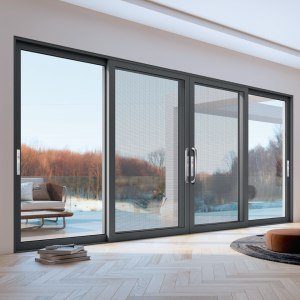
An exterior door with sidelites is a door unit flanked by one or two narrow glass panels on either side. These panels, called sidelites, are typically fixed and non-operable, designed to let natural light into the entryway while maintaining security and energy efficiency.
1.1 Common Configurations
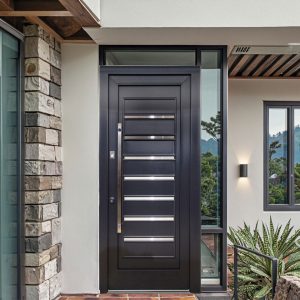
- Single door + one sidelite (left or right): The most common configuration for residential and light commercial projects. The sidelite is usually placed on the side opposite the door hinges for better visibility.
- Single door + two sidelites (both sides): Creates a symmetrical entrance, common in high-end villas, banks, and boutique hotels. Requires a wider structural opening.
- Double doors with sidelites: Used for wide commercial entrances. Requires reinforced framing, center meeting stiles, and multi-point locking on both leaves.
- Sidelite dimensions: Standard widths range from 12 to 18 inches, matching the door height. Custom widths are possible but require structural engineering review.
1.2 Material Options Comparison
| Material | Strength | Thermal Performance | Maintenance | Cost Index | Best For |
|---|---|---|---|---|---|
| Thermal-break Aluminum | High | Good (with thermal break) | Low | 2.0–2.5x uPVC | Modern architecture, large glass areas |
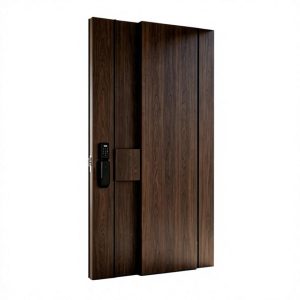
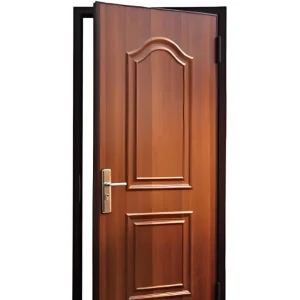
| Solid Wood | Medium | Good (engineered core) | High | 3.0–4.0x uPVC | Premium residential, heritage projects |
| Steel | Very High | Depends on core insulation | Medium | 2.5–3.0x uPVC | Security-sensitive projects |
| uPVC | Medium | Good | Very Low | 1.0x (baseline) | Budget projects, mild climates |
| Clad Wood | High | Excellent | Medium | 4.0–5.0x uPVC | Luxury, coastal environments |
1.3 Opening Mechanisms for Sidelites
Most sidelites are fixed — they do not open. This reduces hardware costs and maintains the structural integrity of the frame. Operable sidelites (casement or awning style) add ventilation but increase unit cost by 15–25% due to additional hinges, weatherstripping, and locking hardware. For most commercial applications, fixed sidelites are the standard choice.
—
2. How Do Glass and Glazing Affect Sidelite Performance?
The glass package determines the energy efficiency, safety, and acoustic performance of an exterior door with sidelites. Buyers must specify the right glazing for their climate and building code requirements.
2.1 Insulated Glass Units (IGUs)
- Double glazing: Two panes separated by a spacer, filled with argon or krypton gas. This is the baseline for most modern exterior doors with sidelites.
- Triple glazing: Three panes for extreme cold climates. Adds significant weight — a 36″ x 80″ sidelite with triple glazing can weigh 40–50% more than double glazing. Frame reinforcement is required.
- Low-E coatings: A microscopically thin metallic layer applied to the glass surface that reflects infrared heat while transmitting visible light. Low-E coatings are essential for meeting modern energy codes.
- Warm-edge spacers: Replace traditional aluminum spacers with stainless steel or polymer materials to reduce heat loss at the glass edge. This prevents condensation and improves overall U-value by 5–10%.
2.2 Safety and Security Glass
Building codes in most jurisdictions require tempered glass in sidelites located within 24 inches of a door. Tempered glass breaks into small, blunt pieces rather than sharp shards. For ground-floor sidelites, laminated glass provides additional security — it holds together when broken, making forced entry significantly more difficult.
Impact-resistant glass, typically required in hurricane-prone regions like Florida or the Gulf Coast, uses a PVB or SGP interlayer and must pass missile impact tests per Miami-Dade or Florida Building Code standards.
2.3 Key Glass Performance Metrics
- U-value (thermal transmittance): Lower is better. Range for exterior door with sidelites: 0.8–1.6 W/m²K depending on glazing and frame.
- SHGC (Solar Heat Gain Coefficient): Indicates how much solar radiation passes through the glass. For hot climates, lower SHGC (0.25–0.30) is preferred; for cold climates, higher SHGC (0.40–0.50) helps with passive heating.
- Sound Transmission Class (STC): For urban projects, laminated glass with asymmetric pane thickness achieves STC ratings of 35–40, reducing outside noise significantly.
- Condensation Resistance Factor (CRF): Measures the frame and glass edge performance in humid conditions. Higher CRF means less condensation.
—
3. What Are the Structural and Weather Performance Requirements for Sidelites?
Sidelites create larger glass spans and increase the total weight of the door unit. Structural engineering is not optional — it is the difference between a door that lasts 20 years and one that leaks or sags within five.
3.1 Frame Reinforcement
The vertical mullion between the door and sidelite is the most critical structural member. It must be reinforced with either thicker aluminum profiles or a steel insert to prevent deflection under wind load. Industry standard deflection limit is L/175 (span divided by 175) for door and sidelite assemblies.
Corner joints matter just as much. Screw-port or crimped corners provide significantly higher joint strength than simple mechanical fasteners. Before ordering, ask the supplier for their corner joint design and any joint strength test data.
3.2 Water and Air Tightness
The interface between the door and sidelite is a common leak point. EPDM or silicone gaskets must be present at all glass-to-frame and frame-to-frame interfaces. Thermal-break aluminum systems use multi-labyrinth sealing (multiple interlocking gasket chambers) to block water and air.
Hidden drainage channels in the frame bottom evacuate water that enters the system without allowing air infiltration. These channels must be verified during inspection — clogged or poorly designed drainage is a leading cause of premature seal failure.
3.3 Hardware Requirements
- Multi-point locking: 3–5 locking points for the main door. Sidelites, if operable, require their own locking mechanism.
- Hinges: Heavy-duty stainless steel or zinc alloy hinges rated for the total unit weight. A 36″ x 80″ door with two sidelites can exceed 150 kg; standard residential hinges are not adequate.
- Thresholds: Thermally broken aluminum thresholds with adjustable height for site leveling. For commercial projects, verify ADA compliance for threshold height (max 1/2 inch).
—
4. What Customization Options Are Available for Exterior Doors with Sidelites?
B2B buyers rarely order purely standard units. Custom sizes, colors, and configurations are the norm for construction projects. Understanding the limits of customization prevents project delays and budget overruns.
4.1 Size and Configuration Flexibility
Most manufacturers offer standard sizes (e.g., 36″ x 80″ door with 12″ sidelites) but can produce custom widths and heights. Lead times for custom sizes typically extend by 1–2 weeks due to additional engineering review.
Adding a transom window above the door and sidelites increases natural light and architectural interest. This requires additional framing and is best planned during the initial order, not as a retrofit.
Outswing doors save interior space but require more robust weatherstripping and are subject to wind load. Inswing doors are more common in cold climates because they are less prone to ice buildup at the threshold.
4.2 Color and Finish Options
- Aluminum: Powder coating in any RAL color, anodizing, or wood-grain foil. Powder coating durability depends on coating thickness — 60–80 microns is the industry standard for exterior applications.
- Wood: Natural varnish, stain, or painted finishes. Factory-applied UV-resistant finishes extend lifespan.
- Dual-color frames: Different colors inside vs. outside. Popular for matching interior décor while meeting exterior HOA requirements.
4.3 Hardware and Accessory Options
Handle sets, hinges, locks, and security upgrades are all customizable. Smart locks and keypad entry are increasingly common for commercial and high-end residential projects. Between-glass grilles (muntins) provide a traditional look without the maintenance of true divided lites, and at a fraction of the cost.
—
5. What Certifications and Standards Apply to Sidelite Doors?
Buyers must verify that products meet local building codes and performance standards. This is not a formality — failure to comply can result in failed inspections and costly rework.
5.1 Key Certifications
- AAMA/WDMA/CSA certification: North American standard for window and door performance.
- CE marking: Required for European markets; indicates compliance with EN standards.
- NFRC label: Provides U-factor, SHGC, and VT ratings for energy code compliance in the US.
- Miami-Dade NOA: Notice of Acceptance for impact-resistant units, required in hurricane-prone regions.
5.2 Verification of Test Reports
Request test reports from recognized third-party labs (Intertek, UL, SGS, TUV). These reports validate air, water, and structural performance. Material certifications should also be reviewed: aluminum profiles should meet 6063-T5 or T6 alloy specifications, and glass should have ANSI Z97.1 or EN 12150 certification.
5.3 Building Code Considerations
- Egress requirements: Sidelites adjacent to doors must meet specific glazing safety standards (e.g., 24-inch rule for tempered glass in the US).
- Energy codes: IECC, ASHRAE 90.1, or local equivalents dictate maximum U-values for door assemblies.
- ADA compliance: Threshold heights, clear opening widths, and hardware operability must meet accessibility guidelines.
—
6. What Are the Cost Drivers for Exterior Doors with Sidelites?
Realistic cost expectations are essential for budgeting and negotiation. The price of an exterior door with sidelites varies significantly based on materials, glass, and hardware.
6.1 Price Breakdown by Component
- Frame material: Thermal-break aluminum costs 15–30% more than standard aluminum. Solid wood is 2–3x the cost of aluminum.
- Glass: Double glazing with Low-E adds 20–35% over single glazing. Laminated glass adds another 10–15%.
- Hardware: Multi-point locks and premium handles represent 10–20% of total unit cost.
- Labor and overhead: Factory assembly, quality control, and export packaging account for 15–25%.
6.2 Economies of Scale
Most factory-direct suppliers offer tiered pricing at 10, 50, 100, and 500 units. A 20ft container holds approximately 40–60 units; a 40ft container holds 80–120 units, depending on size and packaging. Ordering door units with matching windows in the same container reduces per-unit shipping cost.
6.3 Hidden Costs to Plan For
- Custom tooling: Non-standard profiles or colors may require mold or extrusion dies (one-time cost).
- Packaging: Export-grade packaging (wooden crates, foam, corner guards) adds 3–5% to cost.
- Inspection fees: Third-party pre-shipment inspection (SGS, BV, TUV) is typically $300–$800 per batch.
—
7. How to Evaluate an Exterior Door with Sidelites Supplier
Selecting the right manufacturing partner is the most consequential decision in the sourcing process. A structured evaluation framework protects your project from avoidable risks.
7.1 Key Evaluation Criteria
- Production capacity: Ask about monthly output, number of production lines, and maximum order size. A supplier with a capacity of 2,000 units per month is better positioned to handle your 500-unit order than one with a capacity of 500 units per month.
- Quality control process: In-process inspection, pre-shipment checks, and test equipment. Ask for their air-tightness, water-tightness, and wind resistance test procedures.
- Export experience: Documentation capability (packing list, proforma invoice, customs documents) and familiarity with target market codes.
- Communication: Response time, technical competence of sales engineers, and CAD/drawing capabilities.
- References: Request contactable clients in similar markets or project types.
7.2 Red Flags to Avoid
- Unrealistic pricing: Material cost alone sets a floor. Prices 30%+ below market average usually indicate inferior materials or hidden costs.
- Vague specifications: Suppliers unwilling to provide detailed profile drawings or test reports.
- Inflexible payment terms: 100% advance payment without options for L/C or balance against documents is risky.
- No customization capability: If the supplier only offers fixed sizes, your project flexibility is limited.
7.3 Questions to Ask Before Ordering
- Can you provide test reports for air-tightness, water-tightness, and wind resistance?
- What is your standard lead time for custom sizes and colors?
- What is your MOQ for standard and custom configurations?
- How do you handle after-sales quality issues?
- Can you ship FCL and LCL, and what is your typical packaging standard?
- Do you provide OEM/ODM services for hardware and profiles?
- What is your production capacity per month?
—
8. Production Process: From Raw Material to Finished Sidelite Door
Understanding the manufacturing process helps buyers distinguish between factories with genuine engineering capability and those that simply assemble imported components.
8.1 Profile Cutting and Machining
Aluminum profiles are cut to length using CNC saws with precision tolerances of ±0.5mm. For thermal-break profiles, the polyamide strips are inserted and crimped before cutting. Drainage holes and hardware slots are machined using CNC machining centers, ensuring consistent positioning across all units.
8.2 Surface Treatment and Coating
The surface treatment process is critical for both aesthetics and corrosion resistance. The standard sequence is: degreasing → etching → anodizing or powder coating. Powder coating is applied electrostatically and cured at 180–200°C. Coating thickness of 60–80 microns is the industry standard; some factories offer PVDF coatings (fluoropolymer) for superior UV resistance, especially in coastal environments.
8.3 Glass Fabrication
Glass for sidelites is cut, edged, and tempered before assembly. Insulated glass units are assembled in a controlled environment (humidity below 50%) to prevent condensation inside the sealed unit. Desiccant-filled spacers absorb residual moisture, and the unit is sealed with a two-part structural silicone or polyisobutylene.
8.4 Assembly and Pre-Shipment Testing
The frame is assembled with screw-port joints, and hardware is installed. The glass is set with setting blocks and gaskets. Before packaging, each unit undergoes a water spray test and visual inspection. Reputable factories perform random air-tightness and wind resistance tests on production samples.
—
9. How Jusen Door and Windows Manufacturing Co., Ltd. Supports B2B Sourcing of Exterior Doors with Sidelites
Our approach to exterior doors with sidelites is built around the needs of B2B buyers: consistent quality, transparent specifications, and reliable logistics.
9.1 Factory-Direct Supply with Full Customization
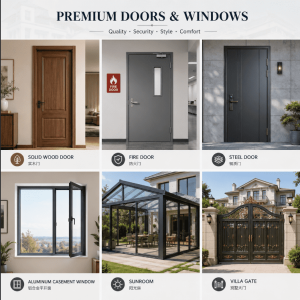
We manufacture thermal-break aluminum, solid wood, and aluminum-wood hybrid door systems. We supply directly from our factory — no middleman markup — and offer full customization on size, color, glass configuration, and hardware accessories. Our engineers work from your architectural drawings or spec sheets to produce units that meet your local building codes.
The production line handles both OEM and ODM requirements. For buyers needing private label, we can apply your brand to the packaging and documentation. For complex projects, our engineers can adjust profile structures and fittings to match the specific requirements of your target market — whether that is hurricane codes in Florida or energy efficiency standards in Europe.
9.2 Quality Control with Pre-Shipment Testing
A door with sidelites is a structural component, not just a decorative addition. Every batch undergoes strict pre-shipment inspection, including air-tightness, water-tightness, and wind resistance tests. These tests are performed in accordance with industry standards and the results are documented and provided to you. For international buyers, we provide complete export documentation — packing lists, proforma invoices, and full customs paperwork — ensuring smooth clearance at your destination port.
9.3 Logistics and Compliance Support
With years of foreign trade experience, we ship both FCL and LCL directly from our factory in China. We understand that different markets have different requirements, and our adjustable profile structures and fittings can be modified to match local regulations. Whether you need 20 units for a villa project or 500 units for a residential development, our production planning ensures consistent quality and on-time delivery.
—
10. Common Questions About Sourcing Exterior Doors with Sidelites
What is the typical lead time for a bulk order?
Standard configurations typically require 3–4 weeks for production. Fully custom units with special glass or hardware may take 5–7 weeks. Ocean shipping from China to major ports (Los Angeles, Rotterdam, Dubai) takes an additional 2–5 weeks depending on the route.
Can sidelites be added to an existing door frame?
Retrofitting sidelites into an existing frame requires structural modification, new framing members, and potentially a new threshold — often costing more than replacing the entire unit. For new construction or full door replacement, factory-integrated sidelites are the recommended approach.
What is the minimum order quantity (MOQ)?
MOQs vary by manufacturer. Some factories accept orders as small as 10–20 units; others require a full container load (40–120 units). Custom colors or special glass may require a higher MOQ due to material procurement requirements.
How do I ensure the sidelite unit meets local energy codes?
Request U-value and SHGC ratings from the supplier and verify they meet your local energy code. Look for Low-E coatings, warm-edge spacers, and argon gas fill. For cold climates, consider triple glazing or a higher-performance frame system with a thermal break.
What warranty should I expect?
Typical warranties cover 5–10 years on frame materials and finishes, and 3–5 years on hardware and glass seals. Laminated glass may carry a separate warranty against interlayer failure. Always request warranty terms in writing.
—
11. Decision Guide: How to Choose Between Sourcing Options
Choose factory-direct sourcing if:
- You need large volumes (100+ units)
- You require custom sizes, colors, or glass configurations
- You have import experience or a customs broker
- Your project timeline allows for 6–10 weeks total lead time
- You want to eliminate distributor margins (typically 10–20%)
Choose a distributor or importer if:
- You need fewer than 20 units
- You need delivery within 2–3 weeks
- You prefer local warranty support
- You are new to importing and want to minimize risk
A hybrid approach works for mixed projects: source stock items from a local distributor and custom items directly from the factory. Use annual volume as leverage in negotiations with either channel.
—
When you are ready to discuss your specific requirements — whether you need a standard configuration or a fully custom design — our team can provide detailed specifications, test reports, and pricing tailored to your project volume.
—
References
[1] American Architectural Manufacturers Association. (2023). AAMA/WDMA/CSA 101/I.S.2/A440-17. https://aamanet.org/
[2] National Fenestration Rating Council. (2024). NFRC Label Certification. https://nfrc.org/
[3] International Code Council. (2021). International Energy Conservation Code. https://www.iccsafe.org/
[4] ASTM International. (2024). ASTM E283, E330, E547 Standards. https://www.astm.org/
[5] Florida Building Commission. (2023). Florida Building Code, 8th Edition. https://www.floridabuilding.org/