Content Menu
● 1. Why Brown is the New Standard in Exterior Door Aesthetics (and Why Our Factory Leads the Trend)
● 2. Our Supply Capability: From Thermal-Break Aluminum to Solid Wood Brown Doors
● 3. Engineered for Performance: The Technical Specs Behind Our Brown Doors
● 4. The Fulfillment Advantage: How We Handle Bulk Orders and Global Logistics
● 5. Pricing Without Middlemen: The Financial Benefit of Direct Sourcing
● 6. How to Partner with Us: OEM, ODM, and Private Label Solutions
11 min read
The request usually arrives with a photo attached. A rendering of a modern farmhouse, or a luxury villa elevation with a warm bronze-brown entrance as the focal point. The buyer asks, “Can you match this?” The real question underneath is different: Can you match this across 500 units, in different batches, without the color drifting between production runs?
Our answer starts on the factory floor, not in a sales presentation.
Brown exterior doors are not a single color—they range from dark espresso to golden chestnut, from matte bronze to wood-grain finishes that mimic American White Oak or European Walnut. We produce them in aluminum alloy, solid wood, and hybrid constructions. This article covers how we manufacture them, test them, and ship them to your project site without the headaches that come from dealing with trading companies.
Why Brown is the New Standard in Exterior Door Aesthetics (and Why Our Factory Leads the Trend)
The shift away from stark black and sterile white began around 2018. Architects started specifying earth tones—bronze, bronze-brown, dark walnut, and warm chestnut—because these colors age better visually. A black door shows dust within a week. A brown door hides it. More importantly, brown exterior doors create a visual anchor that complements stone, brick, and wood siding rather than fighting with them.
We have been manufacturing these finishes for over a decade. During that time, we learned that color consistency is the single biggest pain point for B2B buyers. A sample looks perfect. The production batch arrives with a slightly reddish tinge or a green undertone that was not in the approved sample. This happens when factories use different pigment suppliers across production runs. We do not.
Color Consistency Across Large Orders
Our powder coating line uses the same supplier for every batch, and we calibrate the spray booth temperature before each run. For aluminum doors, we match RAL codes or Pantone references you provide. For wood doors, we keep stain samples from the original approval and re-mix against those physical references—not against a digital photograph.
Here is the standard we hold ourselves to: if you approve a sample, the production units will not differ by more than a Delta E of 1.5. This is a measurable color difference that most human eyes cannot detect. We verify this using a spectrophotometer on three doors from each production batch before packaging.
Materials That Hold the Color
Not every brown is created equal. A polyester powder coat will fade within three years in direct sunlight. We use PVDF (polyvinylidene fluoride) coatings on our aluminum thermal-break doors for exterior applications. This is the same coating class used on curtain wall systems in high-rise buildings. It resists UV degradation and chalk fading for 20+ years.
For our solid wood line, we use a multi-layer staining process: a wood conditioner, then a dye-based stain, then a protective clear coat with UV inhibitors. This is not the quick single-pass spray that cheaper factories use. It takes longer. It costs more. It also means the wood door does not turn gray after one summer in the sun.
Our Supply Capability: From Thermal-Break Aluminum to Solid Wood Brown Doors
We are not a trading company. Our factory operates dedicated production lines for aluminum doors and windows, solid wood doors, and system windows. This matters to you because it means we control the entire manufacturing process—extrusion, cutting, assembly, finishing, and quality control—under one roof.
When you source brown exterior doors from us, you are not relying on a middleman who sub-contracts to three different factories and hopes the colors match. You are working with the people who actually make the product.
Aluminum Alloy Entrance Doors
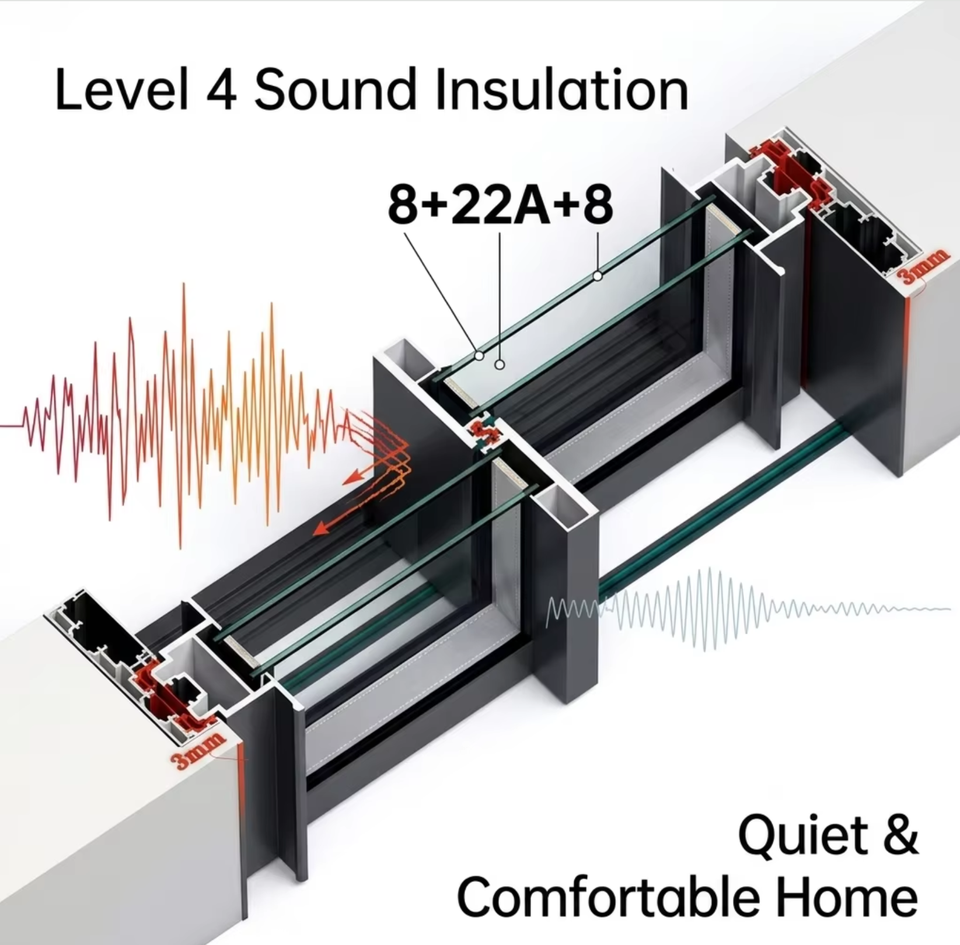
Our aluminum line uses thermal-break profiles—polyamide strips separate the interior and exterior aluminum sections. This breaks the thermal bridge, reducing heat transfer. For brown exterior doors, we offer two finishes: powder coating in any RAL brown tone, or wood-grain transfer film that replicates natural timber grain.
The wood-grain film is not a sticker. It is a sublimation process where the grain pattern is baked into the powder coat base. The result is a surface that looks like oak or walnut but has the corrosion resistance of aluminum. This is popular for coastal projects where salt air destroys real wood doors within two years. We have supplied these to developers in Miami, Dubai, and Singapore who prioritize durability over natural material authenticity.
Solid Wood & Custom Villa Doors
For luxury residential projects, our solid wood line uses engineered wood construction—a solid timber core with veneer faces. This is more stable than solid timber planks, which tend to warp when the interior and exterior temperatures differ significantly. We offer brown stains in 12 standard shades, plus custom matching for your architect’s specification.
Our custom villa doors often include sidelights, transoms, and carved panel details. We manufacture these to your drawings, including non-standard sizes up to 1200mm wide and 3000mm tall.
Casement and Sliding Door Integration
Rarely does an exterior door stand alone. We manufacture matching casement windows, sliding doors, and even sunrooms that use the same profile system and color finish. This ensures your entire building envelope is visually cohesive—no mismatched tones between your entrance door and your patio sliding doors. For a recent hotel project in Vietnam, we supplied the entrance doors, balcony sliding doors, and window system all in the same dark bronze-brown finish.
Engineered for Performance: The Technical Specs Behind Our Brown Doors
A brown door must look good. It must also perform under pressure—wind loads, rain, thermal expansion, and daily use. This is where our pre-shipment inspection protocol sets us apart from factories that only do a visual check before loading the container.
Air-Tightness and Water-Tightness Testing
Every batch of aluminum doors undergoes testing on our in-house rig. We measure air-tightness by pressurizing the door assembly and measuring the leakage rate. Water-tightness is tested by spraying water at controlled pressure while applying negative pressure to the interior side—simulating wind-driven rain.
For a standard residential door, we achieve Class 6 air-tightness and Class 7A water-tightness under the European EN 12207 and EN 12208 standards. This means the door seals effectively against drafts and prevents water ingress even in heavy storms. We do not test one sample from the batch. We test one door from every production lot of 50 units.
Wind Resistance and Structural Stability
Our aluminum profiles use a multi-chamber design with steel reinforcement inserts where required. For high-rise applications or hurricane-prone regions, we can increase the profile wall thickness from the standard 1.4mm to 2.0mm. This is not a cosmetic change—it increases the door’s wind load resistance by approximately 40%.
For our wooden doors, we use a mortise-and-tenon joint construction rather than simple screw-fastened joints. This is a traditional joinery method that creates a stronger frame than modern assembly techniques. The tenon extends through the frame and is secured with a wooden dowel, creating a mechanical lock that resists racking and warping.
Hardware Integration
The brown finish is half the story. The hardware—hinges, handles, locks, and closing mechanisms—must match both the aesthetic and the performance requirements. We offer full customization on hardware accessories. Our standard range includes matte black, bronze, brushed nickel, and antique brass finishes.
For commercial projects, we install multi-point locking systems with anti-pry features. For residential projects, we offer smart locks with fingerprint, RFID, and app-based access. All hardware is tested for 100,000 cycles of operation before we approve it for production. This is equivalent to roughly 20 years of normal residential use.
The Fulfillment Advantage: How We Handle Bulk Orders and Global Logistics
Supply chain reliability is the difference between a successful project and a stalled one. We have shipped to over 30 countries, and our logistics team handles the complexities of international freight daily.
A common concern from first-time buyers is whether their order will arrive intact and on time. We address this through our packaging and documentation processes.
FCL & LCL Shipping Options
For full container loads, we load your brown exterior doors into 20-foot or 40-foot containers using custom-designed wooden crates. Each door is wrapped in protective film, then placed in a crate with foam padding at all pressure points. This prevents transit damage from impact or vibration.
For less-than-container loads, we consolidate your order with other shipments heading to your region. This allows you to order smaller quantities—as few as 10 doors—without paying full container freight costs. Our team coordinates the consolidation schedule to minimize transit time.
Complete Customs Documentation
Foreign trade paperwork can derail a project if handled poorly. We provide a packing list, proforma invoice, commercial invoice, bill of lading, and certificate of origin for every shipment. For markets requiring additional documentation—such as a fumigation certificate for wooden packaging or a certificate of conformity for aluminum profiles—our team prepares these in advance.
This is not a service we outsource. Our export department handles this in-house, which means we can respond to customs queries within 24 hours rather than waiting for a third-party agent to reply.
Adjustable Profiles for Local Compliance
Building codes vary significantly between markets. A door that passes inspection in Germany may not meet the energy code in Canada or the hurricane rating in Florida. Our profile structure and fittings are adjustable to match local requirements.
For example, we can increase the thermal-break width to meet stricter U-value requirements. We can add impact-resistant glass for hurricane zones. We can adjust the frame depth to accommodate thicker wall assemblies. When you contact us, provide your local building code requirements, and our engineering team will confirm whether our standard product meets them or if adjustments are needed.
Pricing Without Middlemen: The Financial Benefit of Direct Sourcing
You are reading this article because you want a competitive price. We understand that. As a factory, our pricing structure does not include the 15-30% markup that trading companies add.
Competitive Pricing Structure
Our price per unit reflects our actual production cost plus a reasonable margin. This allows you to maintain better margins when reselling in your local market. When you compare our quotes with those from suppliers who claim to be “manufacturers” but are actually trading houses, you will notice a significant difference—typically 10-20% lower for equivalent specifications.
We can offer this because we control our supply chain. We purchase aluminum billets and wood panels in bulk. We operate our own powder coating line rather than outsourcing finishing. This vertical integration reduces our costs, and we pass those savings to you.
The True Cost of Quality
A cheaper door that fails inspection costs you more than a quality door. Consider the cost of replacing a defective door: the price of the new door, the shipping cost, the installation labor, and the project delay. Our strict pre-shipment inspection reduces the risk of defects reaching your site.
We test for air-tightness, water-tightness, and wind resistance before shipping. We photograph every door before packaging and send you the photos for approval. If a door does not meet our standards, it is re-manufactured before the container is loaded—not after you discover the problem at your site.
How to Partner with Us: OEM, ODM, and Private Label Solutions
Your project requirements are unique. We offer three partnership models to accommodate different business needs.
Custom Size and Design
We manufacture brown exterior doors in non-standard sizes to fit unique architectural openings. Provide your opening dimensions, and our technical team will design the door frame and panel configuration to match. We produce custom shapes, including arched tops and angled frames, using CNC machining for precision.
Private Label Opportunities
If you want to sell our doors under your own brand, we offer private label manufacturing. This includes your logo on the door hardware, your brand name on the packaging, and your company name on the warranty card. We do this without requiring a minimum order quantity that locks you into a large inventory.
The Engineering Support
Our technical team assists with drawings, specifications, and technical data for tender bids or project approvals. If you are bidding on a construction project that requires specific performance certifications, we provide the test reports and documentation you need. We also offer on-site installation guidance via video calls for complex projects.
Project Applications & Success Scenarios
Brown exterior doors are used across a range of project types. Understanding where they fit best helps you position them to your customers.
Residential Developments
For apartment complexes and housing developments, brown aluminum doors offer durability and low maintenance. The thermal-break profile improves energy efficiency, which is increasingly required by building codes. We supply these in bulk with consistent color across all units.
Commercial Spaces
For office buildings and storefronts, brown anodized or powder-coated doors provide a professional appearance. The powder coat resists scratching and fading, maintaining the aesthetic for years. We also offer automatic door operators for high-traffic entries.
Luxury Villa Projects
For high-end villas, solid wood brown doors with custom carving and premium hardware create a statement entrance. These doors are manufactured to order with a lead time of 4-6 weeks. The natural wood grain provides a warmth that aluminum cannot replicate.
Conclusion & Call to Action
We have covered the key factors in sourcing brown exterior doors: color consistency, material performance, logistics, and pricing. As a direct factory, we offer competitive pricing without middlemen, strict quality control with pre-shipment testing, and flexible logistics with FCL and LCL options.
The most important factor is whether we can meet your specific project requirements. That is a conversation, not a brochure. When you are ready to discuss your project, our team will provide a detailed quote based on your specifications, including drawings, lead times, and shipping costs.
—
References
- https://www.en-standard.eu/bs-en-12207-2017-windows-and-doors-air-permeability-classification/“>EN 12207:2017 – Windows and doors – Air permeability – Classification
- https://www.en-standard.eu/bs-en-12208-2017-windows-and-doors-watertightness-classification/“>EN 12208:2017 – Windows and doors – Watertightness – Classification
- https://aamanet.org/Technical-Documents/Detail/6“>PVDF Coating Performance in Architectural Applications – AAMA 2605
- https://sensing.konicaminolta.us/us/blog/understanding-color-differences/“>Delta E Color Difference Explained – Konica Minolta
- https://www.european-aluminium.eu/resource-hub/thermal-break-technology/“>Thermal Break Technology in Aluminum Windows – European Aluminium