Content Menu
● 1. Double Door Configurations: Understanding Active and Inactive Panels
● 2. Material Selection for Double Doors: Wood, Aluminum, or Composite?
● 3. Hardware and Automation for Double Doors
● 4. Manufacturing Process: How We Ensure Double Door Stability
● 5. Sourcing Double Doors for Projects: OEM, ODM, and Bulk Supply
● Conclusion: Partner with JuSen for Your Next Double Door Project
15 min read
The last time we packed a pair of 8-foot solid mahogany double doors for a villa project in Dubai, the crate weighed over 400 kilograms. The client had specified a custom carve pattern that matched the existing stonework of the facade. Our carpenters spent 14 days on that pair alone, not because they were slow, but because every millimeter of the relief had to align perfectly across both slabs. That is the reality of double doors. They are not two single doors placed side by side. They are a single architectural statement split in two, and the engineering that keeps them aligned, stable, and secure under daily use is where most projects go wrong.
We are Jusen Doors & Windows Manufacturing Co., Ltd., a factory that has spent over 20 years processing solid wood and manufacturing aluminum window and door systems. Our clients are contractors, interior designers, retail dealers, and villa developers who need double doors that perform as well as they look. This guide covers the configuration, materials, hardware, and manufacturing details you need to specify double doors correctly — and what to demand from your factory partner.
Double Door Configurations: Understanding Active and Inactive Panels
When you specify a double door, the first decision is not about wood species or glass type. It is about how the two panels will operate. Most double doors use an active/inactive pair configuration. One door is fixed in place with flush bolts at the top and bottom. The other door is the operational panel, fitted with the main locking mechanism and handle. This setup is standard for entry doors because it allows a full-width opening when needed while keeping the daily traffic flow through a single panel.
The hardware implications are significant. The inactive panel needs flush bolts that extend into the header and threshold. If those bolts are not aligned perfectly with the receiver plates, the door will rattle in the wind and the security rating drops to zero. Our in-house engineering team produces detailed shop drawings for every double door project, usually within 24 hours of receiving your specifications. Those drawings show the exact placement of flush bolts, hinges, and strike plates so that your installation crew does not have to improvise on site.
French Doors vs. Double Entry Doors
The term “French doors” gets thrown around loosely, but in manufacturing terms, it describes a specific product. French doors are full-light units — the entire slab is glass, divided by narrow stiles and rails. They are common for patios, balconies, and interior room dividers where the goal is maximum light transmission. Double entry doors, on the other hand, are typically solid wood or a combination of wood and glass panels. They are the front doors of luxury villas and high-end commercial buildings, and they carry a different set of engineering requirements because they are exposed to the elements.
We manufacture both types, but the production process differs. For French doors, the aluminum or wood frame must be rigid enough to prevent glass from flexing and cracking. For double entry doors, the concern is wood movement across the wide slab. Our range includes interior wooden doors with customizable lite patterns — the glass cutouts — so you can specify a Prairie-style grid for a mid-century modern home or a single large pane for a minimalist facade. The lite pattern is not decorative. It affects the structural integrity of the door, and our engineers will flag it if your design compromises the frame’s stability.
Custom Sizing and Egress Requirements
Standard double door widths typically range from 60 to 72 inches total. But that is a starting point, not a limit. We regularly produce double doors up to 72 inches wide by 96 inches high for grand entrances, and we have shipped wider units for commercial projects where the architect demanded a 10-foot opening. The challenge with custom sizing is not just cutting the wood. It is engineering the frame, hinges, and locking hardware to handle the increased weight and wind load.
Building codes complicate the picture. In most jurisdictions, egress doors must allow a minimum clear opening width — often 32 inches — when one panel is open. That means the active panel of a 60-inch double door must be wider than the inactive panel, which affects the visual symmetry. Our design team can work around this by adjusting stile widths and hardware placement, but it is a conversation you need to have early. A door that looks perfect in a rendering but fails inspection is a costly mistake.
Material Selection for Double Doors: Wood, Aluminum, or Composite?
The material you choose determines the door’s lifespan, maintenance requirements, and aesthetic character. There is no single right answer. The right material depends on your project’s climate, architectural style, and budget.
Solid Wood Double Doors for High-End Projects
Solid wood remains the default choice for luxury residential double doors. Species like oak, mahogany, sapele, and walnut offer the grain depth and tactile warmth that aluminum simply cannot replicate. But solid wood is also the most demanding material to work with. Large-format doors made from a single timber slab are prone to warping, twisting, and splitting as the wood responds to humidity changes. That is why we do not recommend solid slabs for anything wider than 36 inches per panel. Instead, we use engineered stile-and-rail construction with laminated cores. This provides the appearance of solid wood while minimizing movement across the wide span.
The difference comes down to our wood drying workshops. We control moisture content meticulously — typically down to 8–12% depending on the destination climate — before the wood ever touches a CNC router. Inadequate drying is the leading cause of double door failures, and it is a quality control step that many general suppliers overlook because it requires time and kiln capacity. If the wood is not dried properly, the door will warp within months of installation.
Aluminum Double Doors for Modern and Commercial Use
Aluminum double doors have gained serious ground in modern architecture because they offer slim sightlines and maximum glass area. A well-engineered aluminum system can support large glass panes while keeping the frame profile narrow — sometimes down to 2 inches. This is impossible with wood, which needs thicker profiles for structural rigidity. For commercial projects, aluminum also offers superior corrosion resistance and lower maintenance over the building’s lifespan.
Our aluminum workshops produce double door systems that are lightweight, corrosion-resistant, and suitable for everything from office entrances to high-rise balcony doors. We use thermal break technology — polyamide strips that separate the interior and exterior aluminum profiles — to improve insulation performance. For a modern villa with floor-to-ceiling glass, an aluminum double door with slim sightlines often outperforms wood in both energy efficiency and structural stability.
Combining Materials: Wood-Clad and Hybrid Solutions
The best of both worlds is a hybrid door. We manufacture wood-clad double doors where the interior face is solid wood and the exterior face is aluminum cladding. You get the warmth and acoustic properties of wood on the inside, and the weather resistance and low maintenance of aluminum on the outside. This is a premium product, and it is where our ODM capabilities shine. We can engineer hybrid profiles that would be difficult for a single-material manufacturer to produce, because we operate both wood and aluminum workshops in-house.
There is a trade-off worth noting. Hybrid doors are heavier than pure aluminum units, and the wood interior still requires periodic refinishing. If your client expects a zero-maintenance exterior with a wood interior, this is the right choice. If they want a fully maintenance-free product, a thermal break aluminum door is more practical. Wooden doors are not always the cheapest option either — for high-humidity coastal projects, buyers should prioritize corrosion-resistant aluminum over the aesthetic appeal of wood.
Hardware and Automation for Double Doors
The hardware is where double doors either perform flawlessly for decades or fail within two years. A double door has two panels, two sets of hinges, two locking mechanisms, and the alignment between them must be perfect. Poor hardware selection leads to sagging, rattling, and premature wear.
Multi-Point Locking Systems and Security
A single-point lock is not adequate for a double door. The active panel needs a multi-point locking system that engages at the top, bottom, and center of the door edge. This distributes the clamping force across the entire height, preventing the door from bowing and improving the security rating. For the inactive panel, flush bolts must be heavy-duty enough to handle the weight of the door without bending.
We supply supporting hardware accessories alongside our doors. Our frames are machined to accept heavy-duty multi-point locks from European manufacturers like Hoppe and GU. We do not leave hardware selection to chance. Our engineering team calculates the door’s weight and recommends the appropriate locking mechanism class. A 120-kilogram solid wood door requires a different lock than a 40-kilogram aluminum door, and specifying the wrong one voids the warranty and creates a safety risk.
Hinges, Pivots, and Floor Springs
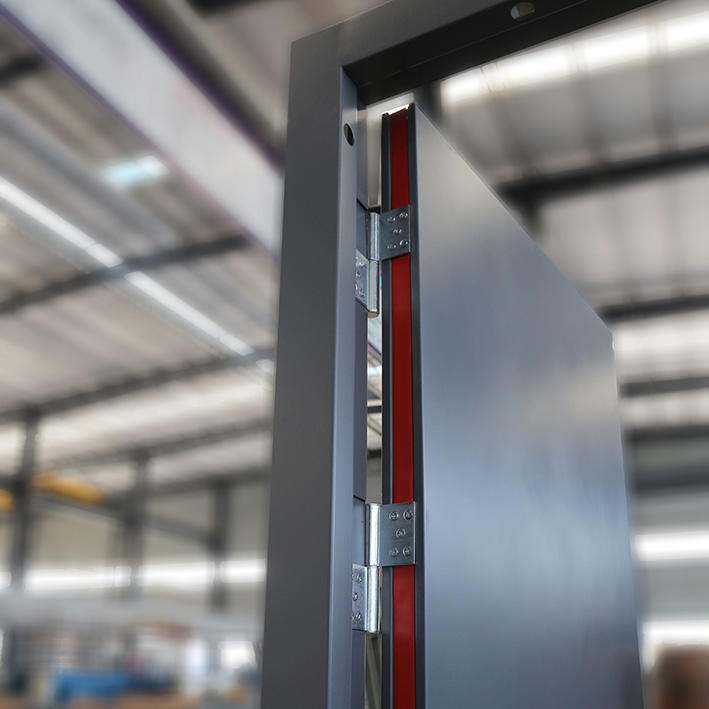
Standard butt hinges are not always sufficient for double doors. The weight distribution across two wide panels creates enormous stress on the hinge points. For solid wood double doors exceeding 60 kilograms per panel, we recommend pivot systems or heavy-duty ball-bearing hinges with at least three points of contact per panel. Pivot systems distribute the weight more evenly because they bear the load at the top and bottom of the door, rather than on the side edge.
Floor springs are another option, commonly used in commercial applications where the door must self-close. Our engineering team calculates the door’s final weight — including glass, hardware, and finish — and specifies the appropriate floor spring size. Installing a floor spring rated for 80 kilograms on a 120-kilogram door is a recipe for premature failure and a safety hazard.
Integration with Smart Home Systems
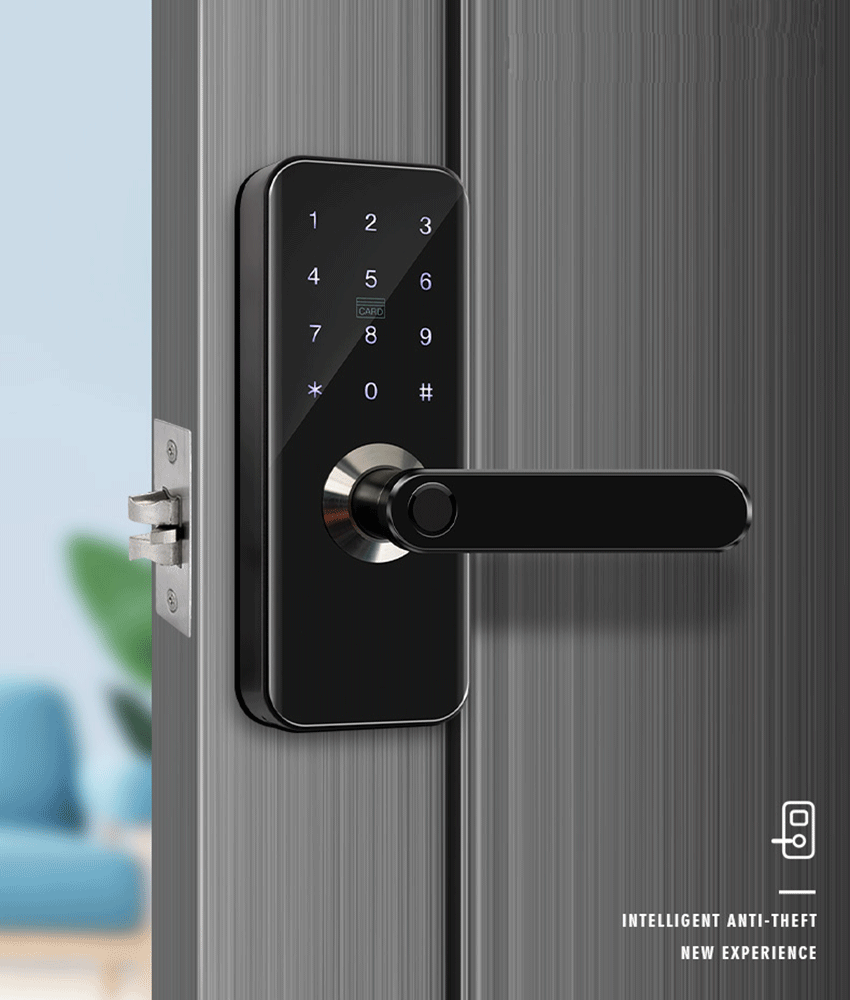
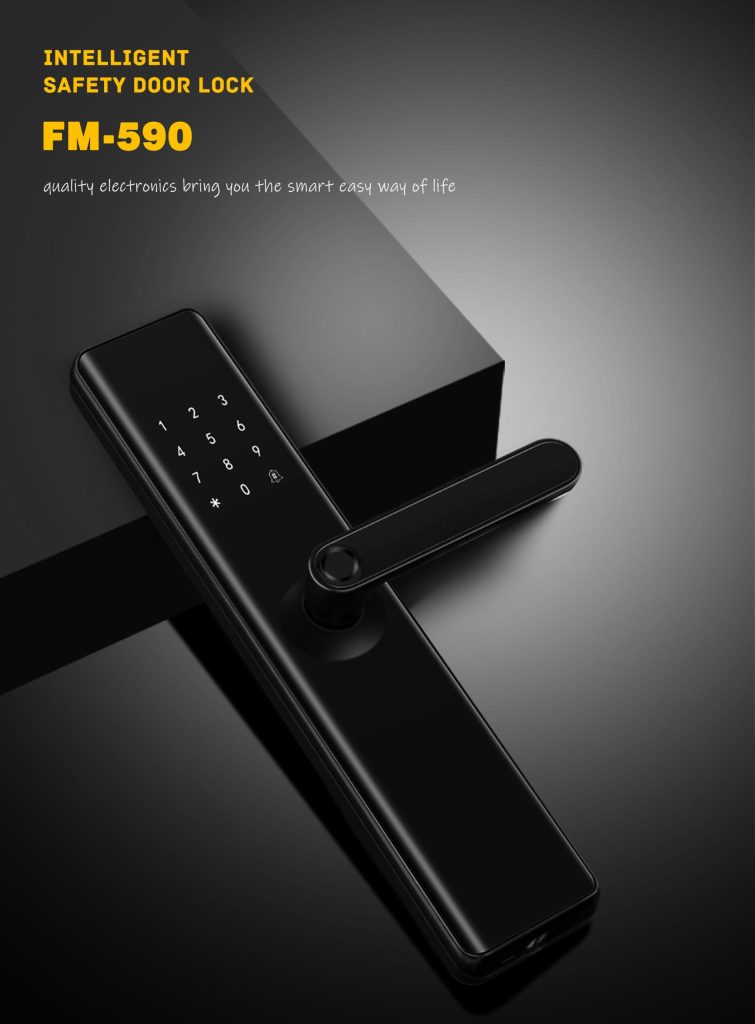
Double doors are increasingly part of automated building systems. Electric strikes, magnetic locks, and automatic door openers are all compatible with double door configurations, but they require precise pre-wiring and frame preparation. We pre-cut the necessary channels and wire conduits in our factory during production, saving your installation crew significant time on site. This is a small detail that makes a large difference in project timelines, especially for commercial buildings with strict handover schedules.
Manufacturing Process: How We Ensure Double Door Stability
The manufacturing process determines whether a double door will remain flat, square, and functional for decades. This is not about cosmetics. It is about the structural engineering of the door slab itself.
The Importance of Laminated Core Construction
A double door panel is wide — typically 30 to 36 inches per slab. Solid timber at this width is vulnerable to cupping and twisting because the wood fibers expand and contract unevenly across the grain. This is why we use laminated stile-and-rail construction with finger-jointed cores or laminated veneer lumber (LVL) stiles. The lamination process alternates the grain direction of the layers, which cancels out the natural movement of the wood. The result is a door that remains dead flat, even in climates with significant seasonal humidity swings.
This is a critical distinction. Many cheaper manufacturers use solid timber slabs and hope the wood behaves. We engineer against the wood’s natural tendencies. Our stiles and rails are finger-jointed to eliminate weak points, and we use waterproof adhesives that meet European and North American standards. When you cut one of our doors in half, you can see the layered construction — it looks like plywood, but with a hardwood face veneer that is indistinguishable from solid wood.
Spray Finishing and Surface Durability
The finish is the door’s first line of defense against UV radiation, moisture, and physical abrasion. We operate our own spray finishing workshops with dust-free, temperature-controlled booths. This environment allows us to achieve an automotive-grade finish that hand-rolled or brush-applied finishes cannot match. We use PU (polyurethane) and UV-cured finishes primarily, because they offer superior hardness and UV resistance compared to traditional nitrocellulose (NC) lacquers.
We offer varying sheen levels — from matte to high-gloss — and can custom color match to your existing brand standards or project palette. For private label clients, this is a major advantage. Your door arrives with a finish that is consistent, durable, and ready for installation, without the need for on-site finishing that introduces variable quality and delays.
Quality Control from Raw Material to Packing
The hidden defects in double doors are not visible in a photograph. Loose tenons, poor glue joints, and misaligned hardware all become apparent months after installation. Our quality control process is designed to catch these issues before the door leaves the factory. We check moisture content at multiple stages — after drying, after machining, and before finishing. We measure dimensional tolerances — a double door pair must match within 1.5 millimeters across the total width, or the gap between the panels will be inconsistent. We test hardware fitting by installing the locks and hinges on every door before packing.
Because we operate our own wood drying, spray finishing, and aluminum processing workshops, we control the entire production chain. We do not outsource critical steps to third parties where quality can slip. The person who dries the wood is our employee. The person who sprays the finish is our employee. This vertical integration is the foundation of our quality assurance, and it is why we offer a comprehensive after-sales warranty including shipping damage protection.
Sourcing Double Doors for Projects: OEM, ODM, and Bulk Supply
Double doors are a significant investment, and the sourcing decision affects your project’s budget, timeline, and final quality. Here is how to approach the manufacturer selection process.
OEM vs. ODM: What B2B Buyers Need to Know
OEM (Original Equipment Manufacturing) means you provide the design or choose from our existing catalog, and we manufacture to your specifications — custom sizes, hardware, finishes, and branding. This is the right choice when you have a proven design and need a reliable production partner. ODM (Original Design Manufacturing) means we handle the design and engineering from scratch based on your requirements. This is the right choice when you have a concept or a performance specification but need technical expertise to turn it into a manufacturable product.
All our products support both OEM and ODM customization. Whether you send us a PDF drawing or a rough sketch, our in-house design team manages the technical drawings and engineering. We provide customized shop drawings within 24 hours, so you can review and approve before production begins. This eliminates the back-and-forth that typically delays projects with less organized suppliers.
Lead Times, MOQs, and Logistics for Large Orders
Shipping large, heavy doors is a logistics exercise. Double doors are bulky, and a single container can only hold a limited number of units. We address this with professional export packing — waterproof wrapping, plywood crating, and edge protectors that prevent damage during transit. We have shipped to over 40 countries, and our logistics team coordinates with freight forwarders to ensure your cargo arrives intact.
Our MOQs are flexible compared to industry standards. We understand that a custom villa project might only need 5 to 10 pairs of double doors, while a hotel development requires 200 units. We accommodate both. Our production lead times are faster than the industry average because we control the workshops in-house. A typical custom double door order takes 25 to 45 days from approval to shipment, depending on the complexity and finish.
Working with a One-Stop Partner
The most efficient way to source double doors is to work with a factory that can also supply the matching windows, frames, and hardware. A one-stop partner ensures aesthetic coherence across the entire building envelope. We manufacture solid wood entry doors, interior wooden doors, aluminum alloy windows, timber door frames, and supporting hardware. When you order a double entry door and the matching casement windows from us, you know the wood species, finish color, and hardware style will match perfectly.
This approach also simplifies your supply chain. You deal with one factory, one quality standard, and one logistics contact. For contractors managing multiple projects across different countries, that simplification has real value. We welcome global distributors, builders, architects, and project partners to discuss their requirements.
Conclusion: Partner with JuSen for Your Next Double Door Project
Double doors are not a commodity purchase. They require engineering precision, material expertise, and a manufacturing partner who understands the structural demands of wide-span door systems. We have over 20 years of experience in solid wood processing and aluminum manufacturing. We operate our own drying, finishing, and machining workshops, which gives us control over every step of the production process. We provide customized shop drawings and formal quotations within 24 hours.
When you send an inquiry, you will hear from a person who has been on the factory floor. Not a call center. Not a sales intermediary. Our team will walk through your project requirements, recommend the appropriate material and hardware configuration, and provide a transparent quotation. If you are working on a villa development, a commercial building, or a high-end residential project, we want to be your manufacturing partner.
—
Frequently Asked Questions about Double Doors
What is the standard size for a double door?
Standard interior double doors are often 60 or 72 inches wide. For exterior grand entrances, we regularly manufacture doors up to 72 inches wide by 96 inches high. However, standard sizes are just a starting point. We specialize in custom sizing, and we recommend contacting our team for a shop drawing to ensure your dimensions meet egress codes and structural requirements.
Are solid wood double doors prone to warping?
Warping is a real risk if the wood is not properly dried and engineered. At Jusen, we operate our own wood drying workshops and use laminated core constructions for wide stiles. This minimizes wood movement and ensures the door remains stable, even in climates with significant humidity swings. Solid timber slabs are more vulnerable, which is why we engineer against it.
Can I get double doors with different materials for interior and exterior?
Yes. Our ODM service allows us to create hybrid doors. We can combine a solid wood interior surface with an aluminum exterior cladding. This provides the warmth of wood inside and the weather resistance of aluminum outside, all within a single door slab. This is a premium solution for luxury projects.
What is the typical lead time for a bulk order of custom double doors?
Lead times depend on the design complexity and volume. However, because we operate our own workshops, our production lead times are faster than the industry average. We can provide a precise schedule and formal quotation within 24 hours of receiving your specifications. Typical orders take 25 to 45 days from approval to shipment.
Do you provide hardware and frames for double doors?
Absolutely. We supply timber door frames and supporting hardware accessories. Our engineering team ensures the frame profiles and hardware — hinges, locks, flush bolts — are rated for the weight and frequency of use of double doors. We pre-machine frames to accept heavy-duty multi-point locking systems, so your installation crew does not have to modify anything on site.
References
- https://doorwoodendoors.com
- https://doorwoodendoors.com/contact-us
- https://www.woodworkingnetwork.com/wood-market-trends (Industry wood processing standards)
- https://www.architecturaldigest.com/story/french-doors-everything-to-know (Design context for French doors)
- https://codes.iccsafe.org/content/IBC2021P1/chapter-10-means-of-egress (International Building Code egress requirements)