14 min read
Low E Glass Aluminum Windows: A Complete B2B Guide for Architects & Builders
When a building envelope performs at its best, the payoff shows up in every utility bill and every comfortable interior. That performance starts with the windows—specifically, the pairing of low E glass with thermally broken aluminum frames. For contractors, architects, and developers, specifying the right window system isn’t just about aesthetics; it’s about meeting energy codes, controlling costs, and delivering long-term value to building owners.
At Jusen Doors & Windows Manufacturing Co., Ltd., we’ve spent over two decades building exactly these systems. Our aluminum processing workshops and in-house engineering team work together to produce low E glass aluminum windows that meet the demands of projects across the globe—from villa developments to commercial high-rises. In this guide, we’ll walk through the technical components that matter, the specification metrics you need to know, and how our manufacturing process ensures the quality your project depends on.
—
Understanding the Core: Why Pair Low-E Glass with Aluminum Frames?
The window assembly is a system, not just a collection of parts. The glass and the frame must work together to manage heat transfer, solar radiation, and condensation. Here’s how we approach the pairing at our factory.
The Science of Low-E Coatings (Soft vs. Hard Coat)
Low emissivity (Low-E) glass features a microscopic metallic coating that reflects infrared heat while allowing visible light to pass through. This coating is what separates a high-performance window from a standard one. But not all Low-E coatings are created equal.
Hard coat (pyrolytic) Low-E is applied during the glass manufacturing process while the glass is still molten. It’s more durable and can be handled without special storage, but its performance is slightly lower. Soft coat (sputtered) Low-E is applied in a vacuum chamber after the glass is formed. It offers superior solar control and insulation values but requires careful handling during fabrication.
When we help clients select glass for their low E glass aluminum windows, our engineering team evaluates the project’s climate zone and solar orientation. For a project in a hot desert climate, we might recommend a soft coat Low-E with a low Solar Heat Gain Coefficient (SHGC) to block solar heat. For a cold northern climate, we’d lean toward a coating that maximizes passive solar gain while retaining interior heat. This isn’t a one-size-fits-all decision—it’s an engineering choice.
The Role of the Aluminum Frame: Thermal Break Necessity
Aluminum is strong, lightweight, and corrosion-resistant—which is why it dominates commercial and high-end residential window frames. But bare aluminum is also a thermal conductor. In winter, it transfers heat from the warm interior to the cold exterior. In summer, it does the reverse. This is where the thermal break becomes essential.
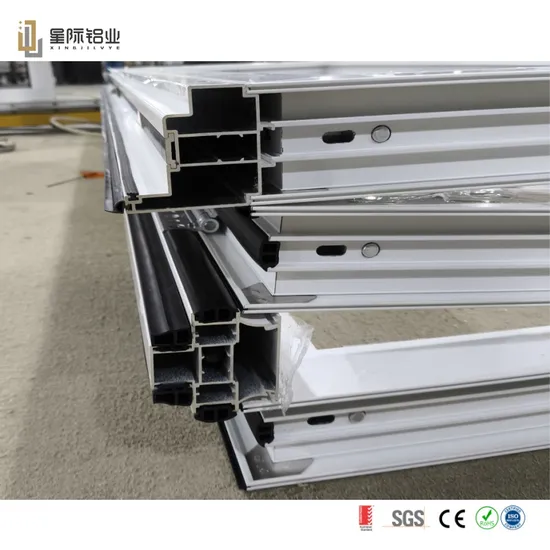
A thermal break is a polyamide strip inserted between the interior and exterior aluminum profiles. This strip interrupts the flow of heat, dramatically improving the frame’s insulation value. Without it, a low E glass unit would be undermined by a frame that leaks energy at the edges.
Our aluminum processing workshops handle thermal break assembly with precision. The polyamide strips are crimped or poured into the profile, then the frame is milled to exact specifications. We’ve refined this process over 20 years of manufacturing, and it’s one of the reasons our windows perform reliably under real-world conditions.
Matching Glass and Frame for Maximum Efficiency
Here’s a mistake we see too often: a builder selects high-performance Low-E glass but pairs it with a frame that negates the benefits. The U-value of the glass might be excellent, but the overall window U-value—which includes the frame—tells a different story.
The key metrics to balance are:
- U-factor: How well the window prevents heat from escaping (lower is better)
- Solar Heat Gain Coefficient (SHGC): How much solar radiation passes through (lower blocks more heat)
- Visible Transmittance (VT): How much natural light passes through (higher is better)
These three values must be balanced against each other and matched to the frame’s thermal performance. Our 20 years of experience in manufacturing means we don’t just supply components—we engineer a complete system. When you send us your project requirements, we’ll specify the glass and frame combination that hits your performance targets.
—
Key Performance Metrics: How to Specify Low E Glass Aluminum Windows
When you’re writing a specification for low E glass aluminum windows, you need to speak the language of performance metrics. Building codes increasingly demand specific U-values and SHGC ratings, and getting these numbers right is the difference between passing inspection and facing costly rework.
U-Factor, R-Value, and Solar Heat Gain Coefficient (SHGC)
U-factor measures how well a window insulates. It’s the rate of heat transfer through the window assembly—lower numbers mean better insulation. In the U.S., ENERGY STAR climate zone requirements range from U-0.30 in the warmest zones to U-0.22 in the coldest. In Europe, the equivalent metric is the Uw value, typically expressed in W/m²K.
R-value is the inverse of U-factor (R = 1/U). While R-value is more common for wall insulation, you’ll sometimes see it referenced for windows.
SHGC measures the fraction of solar radiation that enters through the window. A SHGC of 0.30 means 30% of solar heat passes through. For hot climates, you want a lower SHGC to reduce cooling loads. For cold climates, a higher SHGC can help with passive solar heating—but only if the window is positioned to capture winter sun.
All of our products support OEM & ODM customization, which means we can adjust the glass configuration, frame depth, and coating selection to hit specific U-value targets required by your local regulations. Whether you’re working to ASHRAE standards in the U.S., the Building Regulations in the UK, or local codes in Australia, our team can engineer to your numbers.
Gas Fills: Argon vs. Krypton
Between the panes of an insulated glass unit (IGU), there’s a gap filled with air or an inert gas. Argon and krypton are the two most common choices because they’re denser than air, which reduces convective heat transfer.
Argon is the workhorse. It’s cost-effective, readily available, and improves the center-of-glass U-value by about 15% compared to air. For most projects, argon is the right choice.
Krypton offers better insulation than argon, especially in narrower gaps. But it’s significantly more expensive. Krypton makes sense when you need the thinnest possible IGU for a specific frame design, or when you’re chasing a very aggressive U-value target.
When you work with us, our in-house design team provides detailed technical drawings and specifications that outline the exact gas fill and spacer systems used in your order. You’ll know precisely what’s going into your windows—no ambiguity, no surprises.
The Importance of the Spacer System (Warm Edge)
The spacer is the component that separates the glass panes in an IGU. It might seem like a minor detail, but it has a significant impact on performance.
Traditional aluminum spacers conduct heat, which means the edge of the glass is colder than the center. This leads to condensation in cold weather and lowers the overall U-value. Warm edge spacers are made from materials with lower thermal conductivity—stainless steel, foam, or plastic composites. They reduce heat loss at the glass edge and help prevent condensation.
At Jusen, we maintain strict quality control from raw materials through final assembly. The spacer systems and sealants we use are selected for long-term durability, because a failed seal means a failed IGU. Fogged glass and lost insulation aren’t just cosmetic issues—they’re performance failures that erode trust in your project.
—
Our Manufacturing Process: Engineering Precision for High-Performance Windows
The performance data on a spec sheet only matters if the physical product delivers. That’s why our manufacturing process is designed around precision at every step. When you source low E glass aluminum windows from us, here’s what happens inside our factory.
Precision Cutting and CNC Machining
Aluminum window frames are assembled from profiles that must fit together with near-zero tolerance. A miter cut that’s off by even a millimeter will show up as a gap at the corner—a gap where water can enter, air can leak, and heat can escape.
Our aluminum processing workshops use precision cutting and CNC machining centers to fabricate every frame component. Drainage holes are drilled at exact positions to channel water away from the interior. Weep slots are routed to prevent water accumulation. Hinge and lock cutouts are machined to accommodate the specified hardware.
This level of precision isn’t optional—it’s the foundation of a window that performs as designed. When the frame components fit together perfectly, the gaskets seal properly, the hardware operates smoothly, and the window maintains its insulation values over decades of use.
Surface Finishing: Beyond Aesthetics (Anodizing vs. Powder Coating)
The finish on your aluminum frames does more than determine the color. It’s the first line of defense against corrosion, UV degradation, and environmental wear.
Powder coating is the most common choice for architectural aluminum. A dry powder is electrostatically applied and then cured under heat, creating a tough, uniform finish. Powder coating offers an enormous range of colors, including custom RAL matches, and it’s highly resistant to chipping, scratching, and fading.
Anodizing is an electrochemical process that thickens the natural oxide layer on the aluminum surface. This creates a metallic finish that’s extremely corrosion-resistant—especially valuable in coastal environments where salt air attacks unprotected aluminum. Anodized finishes have a distinctive look that many architects prefer for modern designs.
We operate our own spray finishing workshops, which means we control the surface quality from start to finish. When we say our low E glass aluminum windows won’t peel or fade, we’re speaking from direct experience—we’re the ones applying the finish, and we stand behind it.
Assembly and Sealing Protocols
The final assembly is where all the components come together: the thermally broken frame, the insulated glass unit, the gaskets, and the hardware. This is where our 20 years of experience in both solid wood and aluminum processing pays off.
The glass is inserted into the frame with compression gaskets that create an airtight seal. Structural sealants are applied at critical junctions to prevent air and water infiltration. Hardware—hinges, locks, handles—is installed and adjusted to ensure smooth operation.
We test our assembled windows for air leakage and water penetration before they leave the factory. This isn’t a random sample—every unit is checked against our quality standards. When your order arrives at the job site, you can install with confidence.
—
Customization and OEM/ODM Services for Global Projects
Every project has unique requirements. Maybe you’re working with non-standard opening sizes, or you need a specific color to match the building’s facade, or you want your own brand on the hardware. This is where our OEM and ODM services come into play.
Custom Sizes, Shapes, and Configurations
Villa projects and commercial buildings rarely use standard window sizes. Architects design openings that respond to the building’s proportions, the interior layout, and the views. Our low E glass aluminum windows are manufactured to custom dimensions—we don’t force your design to fit our standard sizes.
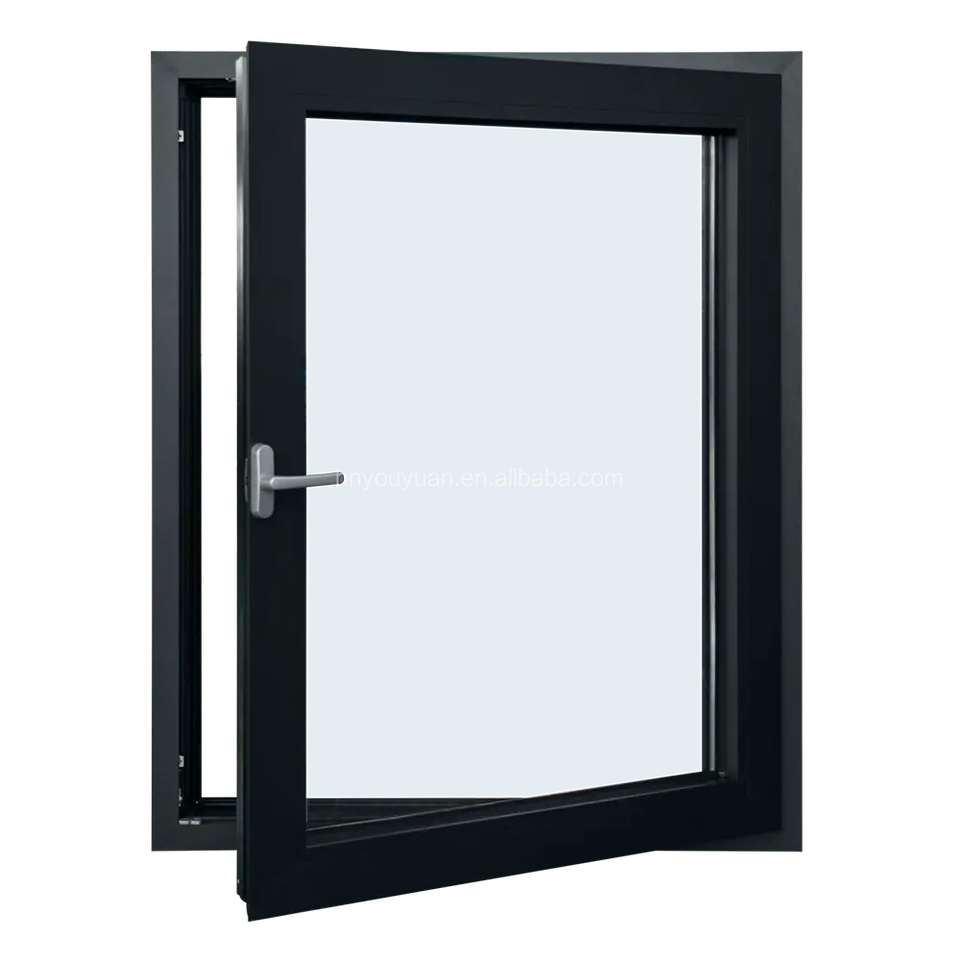
We produce casement windows, awning windows, sliding windows, fixed windows, and combinations of these. Each configuration has different performance characteristics and operational benefits. Casement windows offer excellent ventilation and a tight seal when closed. Sliding windows are ideal for wide openings where you want easy operation. Fixed windows maximize light and views while delivering the best possible insulation.
When you send us your shop drawings, our engineers review them and provide feedback on manufacturability and performance. We’ll flag any potential issues before production begins—saving you from costly mistakes on site.
Private Label and Bulk Supply for Developers
For distributors and developers, we offer private label services. Your brand goes on the windows, the packaging, and the documentation. We become your manufacturing partner, not your competitor.
Our construction project bulk supply capabilities mean we can handle large-scale orders with consistent quality across every unit. We’ve supplied windows for villa developments, apartment complexes, and commercial buildings—projects where a single defective unit creates a cascade of problems. Our quality control systems ensure that unit #500 matches unit #1.
As a full one-stop OEM & ODM service provider, we handle everything from the aluminum profile to the hardware. You don’t need to coordinate multiple suppliers—we’re your single point of contact for the entire window package.
Hardware and Accessories Integration
The hardware on a window—hinges, locks, handles, stays—is what occupants interact with every day. Poor-quality hardware leads to windows that stick, sag, or fail to lock securely.
We supply timber door frames and supporting hardware accessories alongside our aluminum windows. This means you can source the complete package from a single partner. Our hardware is selected for durability and smooth operation, and we can integrate specific brands or custom designs based on your requirements.
When the hardware matches the window quality, the entire assembly performs better. That’s the standard we hold ourselves to.
—
Why Global Partners Choose Jusen for Low E Glass Aluminum Windows
Choosing a manufacturing partner is a long-term decision. You need someone who delivers quality consistently, communicates clearly, and supports you when issues arise. Here’s what our global partners tell us matters most.
Streamlined Logistics and Flexible MOQs
International shipping adds complexity to any project. We understand that your windows need to arrive on time, in perfect condition, and at the right port.
We offer flexible MOQs—we don’t require massive minimum orders that tie up your capital. Whether you’re sourcing windows for a single villa or a multi-building development, we can accommodate your volume.
Our production lead times are designed to keep your project on schedule. We’ve refined our manufacturing processes to balance speed with quality, and we’re transparent about timelines from the first quote.
We also provide shipping damage protection. Windows are fragile products, and a rough voyage can undo months of careful manufacturing. We pack our products for international transit, using protective materials and sturdy crating that minimize the risk of damage.
Engineering Support from Day One
When you work with us, you’re not just buying windows—you’re getting a technical partner. Our engineers are available to review your project requirements, suggest improvements, and answer questions about performance.
Customized shop drawings and formal quotations can be provided within 24 hours. If you’re in a competitive bid situation or working to a tight deadline, this speed matters. We help you avoid costly specification errors by reviewing your requirements before production begins.
This engineering support continues after you place the order. We provide installation guidance, answer technical questions, and troubleshoot any issues that arise during installation.
Stable Quality and After-Sales Assurance
Consistency is the hallmark of a reliable manufacturer. When you order from us once, you should be able to order again with the same expectations for quality.
Our quality control systems cover every stage of production—from incoming raw materials to final inspection before shipping. We track production data to identify trends and continuously improve our processes.
Our comprehensive after-sales support ensures that if any issue does arise, we respond promptly and resolve it fairly. We’ve built long-term relationships with contractors and developers around the world because we treat every order as the start of a partnership, not a one-time transaction.
—
Frequently Asked Questions
Is Low E glass worth the extra cost for aluminum windows?
Yes, in almost every climate. The upfront cost of Low-E glass is higher than standard glass, but the energy savings typically pay back the investment within a few years. In commercial buildings with large glazing areas, the HVAC savings can be substantial. We help our clients balance performance and budget by recommending the right coating and glass configuration for their specific project.
Can Low E glass aluminum windows be used in cold climates?
Absolutely. In fact, they’re ideal for cold climates. By combining a thermal break frame with a soft-coat Low-E glass filled with argon, these windows retain interior heat and prevent condensation on the glass surface. The thermal break prevents the frame from becoming a cold bridge, and the Low-E coating reflects heat back into the room.
What is the difference between Low E and double glazing?
Double glazing refers to two panes of glass separated by a spacer and sealed to create an insulated glass unit. Low E refers to the special coating on the glass surface that reflects infrared heat. The best performance comes from combining both: double-glazed units with Low-E coating. The Low-E coating blocks heat transfer while the double-glazed construction provides insulation through the air gap.
How do I choose the right Low E glass for a project in a hot climate?
For hot climates, you need a glass with a low Solar Heat Gain Coefficient (SHGC) to block solar heat from entering the building. A soft-coat Low-E glass with a tint or reflective coating can achieve SHGC values below 0.25. Our engineering team can recommend the right combination of coating and tint to meet your specific climate requirements while maintaining adequate visible light transmission.
Do you offer custom colors for the aluminum frames?
Yes. Since we operate our own spray finishing workshops, we offer a wide range of standard RAL colors and custom finishes to match your architectural design. Whether you need a specific bronze tone, a matte black, or a color that matches the building’s facade, we can produce it.
What is the typical lead time for a bulk order?
Lead times vary based on order volume and customization requirements. For standard configurations, we can typically produce and ship within 30-45 days. For highly customized projects, the timeline may extend slightly. We provide accurate lead time estimates with every quotation so you can plan your project schedule.
—
How to Choose the Right Configuration
Choose a fixed window configuration if:
- You want maximum light and unobstructed views
- Energy efficiency is your top priority (fixed windows have no operable seals to fail)
- The space has alternative ventilation sources
Choose a casement window configuration if:
- You need excellent ventilation control
- The window is accessible for cleaning from inside
- You want a tight seal when closed for energy efficiency
Choose a sliding window configuration if:
- You have wide openings where casement windows would be impractical
- You want simple, reliable operation
- The window is on a lower floor where cleaning access is easy
Choose a thermal break frame if:
- Your project is in a climate with extreme temperatures (hot or cold)
- You’re targeting a specific U-value for building code compliance
- You want to prevent condensation on frames
Choose a non-thermal break frame if:
- Your project is in a mild climate with minimal temperature extremes
- Budget is the primary constraint
- The windows are interior or protected from outdoor exposure
When in doubt, send us your project details and we’ll recommend the right configuration. Our engineering team has the experience to guide you toward the best solution for your specific conditions.
—
Ready to source high-performance low E glass aluminum windows for your next project? We’re here to help with technical guidance, detailed quotations, and manufacturing expertise built on 20 years of experience.
Or, Contact Our Team to discuss your project specifications.
—
References
- National Fenestration Rating Council. “Understanding U-Factor and SHGC.” https://nfrc.org/window-selection-tools/understanding-ratings/
- U.S. Department of Energy. “Low-E Coatings for Windows.” https://www.energy.gov/energysaver/energy-efficient-windows
- Efficient Windows Collaborative. “Window Technologies: Low-E Coatings.” https://efficientwindows.org/technologies/low-e-coatings/
- American Architectural Manufacturers Association. “Thermal Break Performance.” https://www.aamanet.org/
- International Energy Agency. “Energy Efficiency in Buildings: Windows.” https://www.iea.org/reports/windows