H1: Apartment Entrance Door Buying Guide
Choosing an apartment entrance door differs from selecting a door for a private house. Consider your building location, hallway conditions, local security level and technical requirements. Focus on four priorities: safety, correct measurements, thermal and sound insulation, and appearance.
H2: What to consider before you buy
- Security level and neighborhood: If your building is in a low-risk area, a high-quality wooden or veneered door may suffice. If security is a concern, opt for a reinforced steel or steel-frame door.
- Door location and usage: Doors on busy corridors or ground floors face more wear and may need tougher surfaces and corrosion-resistant hardware.
- Opening direction and clearance: Determine inward/outward swing and left/right handing before ordering.
H2: Locks and hinges — the core of safety
- Lock types: Common options include cylinder locks, lever locks and multi-point locking systems. Best practice: combine one everyday-use lock with at least one high-security lock or a multi-point lock for added protection.
- Multiple locks: Doors with at least two independent locking points raise break-in resistance. One lock for daily use and extra locks for long absences is a practical setup.
- Hinges: Butt (mortise) hinges are common and reliable; ball-bearing or roller-bearing hinges are preferable for heavy doors. Concealed hinges increase tamper resistance.
- Installation tip: Use 3–4 hinges on heavier doors to distribute weight and prevent sagging. Choose corrosion-resistant finishes and certified lock brands.
H2: Door materials and internal core
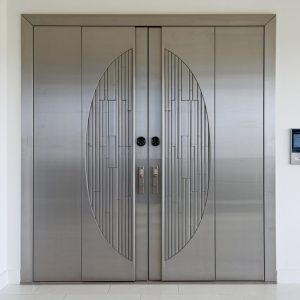
- Common materials: Solid wood, veneered/engineered wood, steel-faced doors, and composite doors. Steel or steel-frame doors are best for security; wood or veneered options provide better aesthetics and can be adequate in low-risk locations.
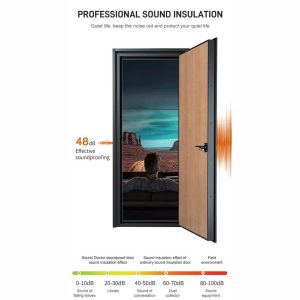
- Internal filling: Avoid honeycomb cardboard cores — they’re lightweight and offer poor sound insulation. Preferred cores: mineral wool (rock wool), expanded polystyrene (EPS) or polyurethane (PU) foam. These provide better soundproofing and thermal insulation.
- Seals and gasketing: Perimeter gaskets and quality bottom seals significantly improve acoustic and thermal performance.
H2: Design, finish and other essentials
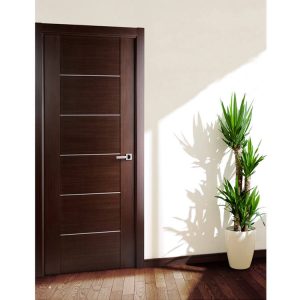
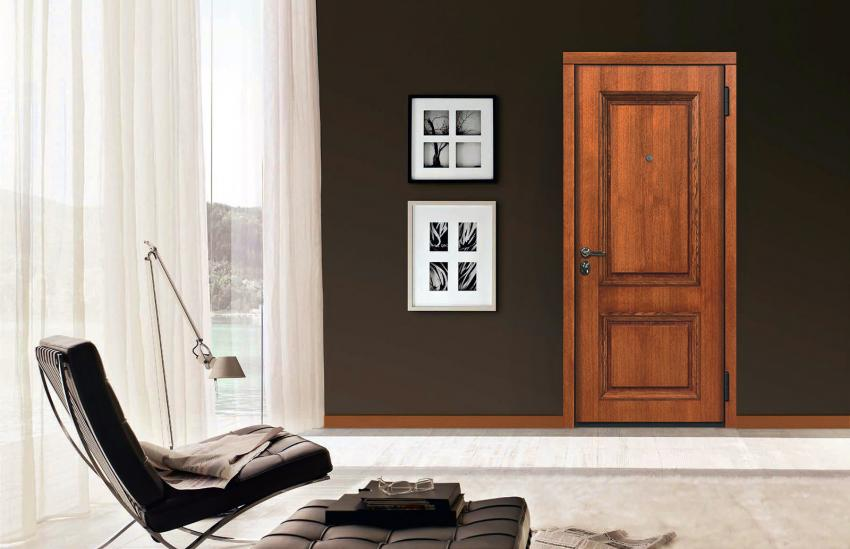
- Surface finishes: MDF panels, eco-veneer, wood veneer, powder-coated steel or paint — choose based on interior style and maintenance needs.
- Thickness and structure: Typical practical thickness ranges from ~60–100 mm; internal structure and filling matter more than thickness alone.
- Color and texture: Match door finishes to your interior for a cohesive look. Consider scratch-resistant finishes in high-traffic areas.
H2: Measurements and professional installation
- Measure precisely: Record rough opening width & height, frame thickness, floor level differences and desired reveal. Confirm swing direction.
- Professional installation: Use certified installers to ensure frame plumbness, secure anchoring (metal anchors or chemical anchors), correct lock alignment and airtight sealing. Improper installation negates even a high-quality door’s benefits.
- Post-install checks: Test locks and hinges, verify even gaps and seal compression, and check for smooth operation.
H2: Budget and value guidance
- Avoid the cheapest options: Extremely low-cost doors often cut costs on lock cores, core material and hinges.
- Budget tiers:
- Entry level: Basic steel-faced door with basic core and one certified lock — acceptable if budget constrained.
- Recommended mid-range: Steel-frame door with PU/mineral core, multi-point lock, 3 hinges and perimeter gaskets — best balance of security, insulation and value.
- High-end: Branded security doors, smart lock options, hidden hinges and premium finishes — for highest security and comfort.
- Warranty & certificates: Prefer doors and locks with manufacturer warranty and safety certifications.
H2: Quick purchase & installation checklist
- Measurements: rough opening width/height, frame thickness, door handing.
- Hardware: lock model & certification, hinge type & count, number of locking points.
- Materials: door face, frame material, core insulation type, seal types.
- Service: installation warranty, product certificates, on-site demonstration of lock operation.
H2: FAQ (short)
- Q: How many locks should an apartment door have? A: At least two locking points (one daily-use plus one high-security or multi-point lock) for layered protection.
- Q: How can I improve door soundproofing? A: Choose high-density core (PU/mineral wool), install perimeter gaskets and ensure tight installation.
- Q: Is thicker always better? A: Not necessarily — internal structure and core material determine performance more than raw thickness.